


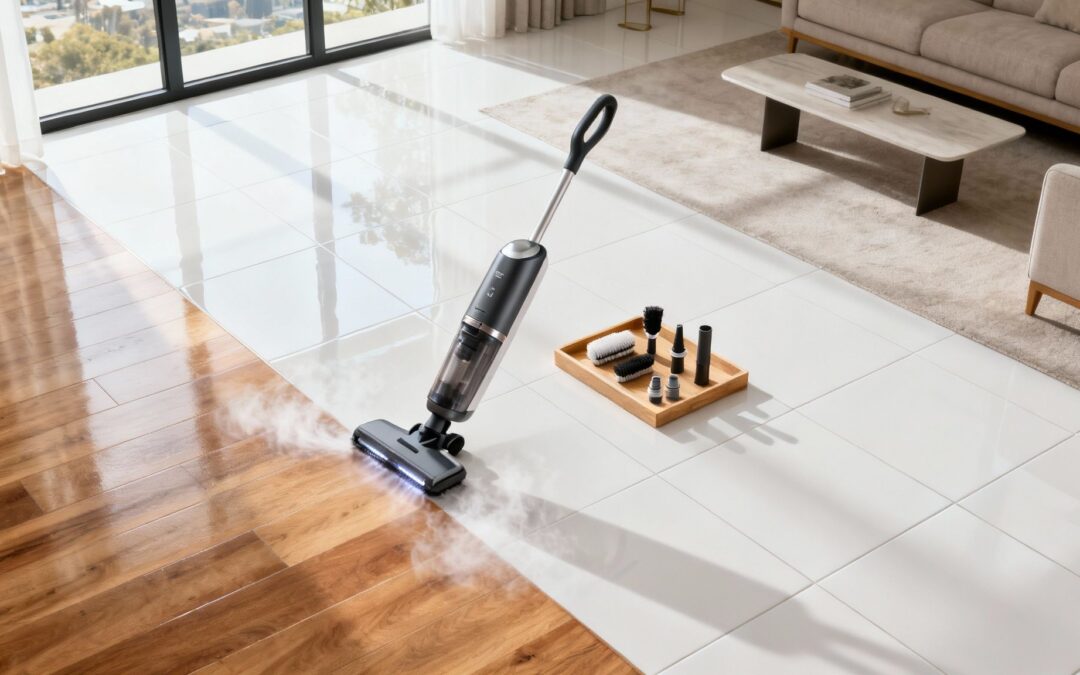
Deciding on the best steam mop really comes down to your floor types and what you need to clean. If you're after an all-rounder that can handle a bit of everything, the PurSteam 10-in-1 is a strong contender. For those who dread the physical effort of deep cleaning, the Shark S8001 Rotating Steam Mop makes life a lot easier. Ultimately, the best choice is one that balances power, convenience, and the right features for your home.
Finding the Best Steam Mop for Your Floors
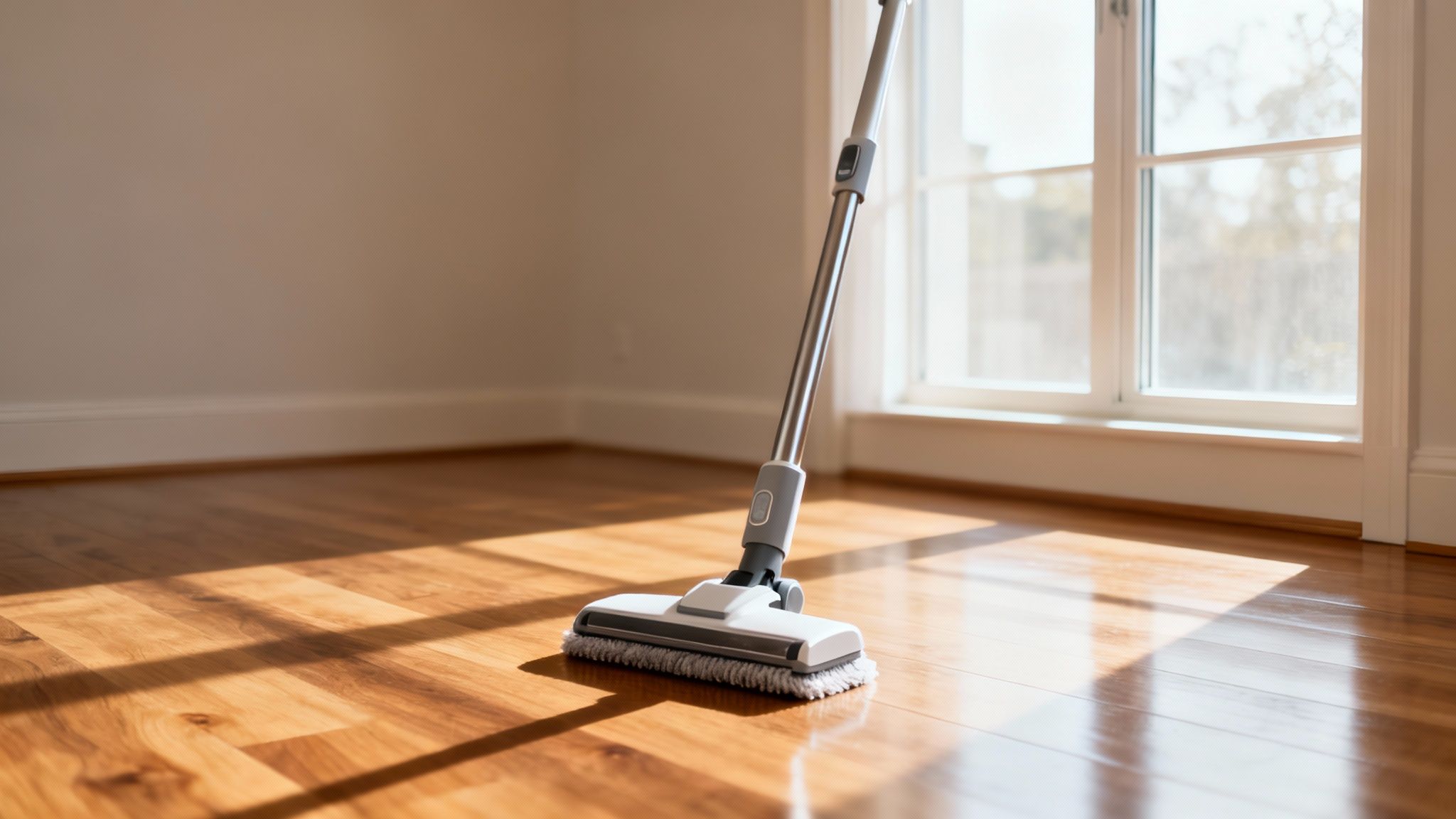
Choosing a steam mop is a smart move if you're looking for a healthier, chemical-free way to clean. These machines use superheated water to create high-pressure steam that just melts away grime and sanitises surfaces, knocking out up to 99.9% of common household bacteria and germs. It’s a method that’s not only effective but also much safer for families with kids and pets, since you’re not leaving behind any harsh chemical residues.
There's no single "best" steam mop for everyone; the ideal one is the one that fits your situation. A large, open-plan house with durable tile floors needs a different kind of machine than a small apartment with delicate sealed hardwood. This guide is here to cut through the marketing jargon and help you zero in on the features that will genuinely make a difference in your cleaning routine.
To get you started, here’s a quick look at our top recommendations, broken down by what they do best. This should help you quickly spot which models are worth a closer look as you read through our more detailed comparisons below.
Top Steam Mop Picks for Australian Homes
This table gives a snapshot of our favourite steam mops, tailored for different cleaning priorities you might have at home.
| Category | Top Recommendation | Best For | Key Feature |
|---|---|---|---|
| Overall Performance | PurSteam 10-in-1 | Versatile cleaning across multiple surfaces | Powerful steam output and multiple attachments. |
| Ease of Use | Shark S8001 Rotating Mop | Effortless cleaning on hard floors | Self-propelled rotating pads reduce physical effort. |
| Premium Versatility | Euroflex Vapour Pro | Whole-home deep cleaning and upholstery | High-pressure boiler and extensive accessory kit. |
| Budget-Friendly | Black+Decker 7-in-1 | Everyday cleaning on a budget | Variable steam control for different floor types. |
By thinking about your own needs first, you can confidently pick a steam mop that delivers a powerful clean and makes keeping your home hygienic that much simpler.
How a Steam Mop Actually Cleans Your Floors
Before you start comparing models, it helps to understand what’s happening under the hood. A steam mop isn’t just a fancy version of your old string mop—it uses physics to deliver a completely different kind of clean. Forget pushing dirty water around; this is about using pure, superheated steam to lift grime and sanitise surfaces at the same time.
It all starts inside the mop's small internal boiler. Once you fill the tank and switch it on, a heating element gets to work, quickly bringing the water to a boil and pushing it past 120°C. At this temperature, the water transforms into a hot, dry steam.
This pressurised steam is then channelled down through the mop head and released onto a microfibre pad. The intense heat and moisture work together to break down sticky spills, dissolve grease, and loosen stubborn dirt on a molecular level. It’s a simple but incredibly powerful process.
The Real Power of Heat and Pressure
Here’s where the magic happens. When that high-temperature steam hits your floors, it instantly liquefies dried-on messes that would otherwise require serious elbow grease. The absorbent microfibre pad then simply wipes it all away—no harsh chemicals or endless scrubbing needed. This is exactly why finding the best steam mop is such a game-changer for anyone looking for an eco-friendly clean.
But it’s not just about what you can see. The heat is powerful enough to sanitise surfaces by killing up to 99.9% of common household bacteria, germs, and even dust mites on contact. It gets into the tiny, invisible pores of your flooring, giving you a level of clean that goes far beyond just looking good. It’s about creating a genuinely hygienic space for your family.
Key Takeaway: Steam cleaning doesn’t just move dirt from one spot to another. It uses thermal energy to break down grime and eliminate pathogens, offering a deeper, more effective clean that traditional mopping simply can’t match.
Getting to Grips with the Lingo
When you start looking at different steam mops, you’ll come across a few key terms. Knowing what they mean will help you make a much smarter choice for your home.
- Heat-Up Time: This is simply how long it takes for the mop to be ready to use after you plug it in. Most models are ready in 30 seconds to a few minutes. A quicker heat-up time means less waiting around when you just want to get the job done.
- Variable Steam Control: This is a must-have feature for homes with different floor types. It lets you adjust the steam output, from a light mist for delicate sealed hardwoods to a powerful blast for scrubbing stubborn grout on tiles. Without it, you risk damaging more sensitive surfaces with too much heat and moisture.
This technology has really taken off in Australia, where busy households are always on the lookout for cleaning solutions that are both effective and efficient. Steam mops tick all the boxes.
To really get the most out of your steam mop, it’s useful to see it as one tool in a complete cleaning arsenal. If you're aiming for that professionally-clean feeling throughout your home, checking out a professional guide to deep cleaning your house can give you a great sense of how different methods work together for the best results.
Comparing the Key Features That Matter Most
Choosing the best steam mop isn't about chasing the longest feature list. It’s about zeroing in on the features that actually solve your cleaning headaches. Let's be honest, not all steam settings, water tanks, or accessories are created equal, and understanding the real-world differences is what separates a smart purchase from a frustrating one.
A feature that’s a game-changer for one household might be completely useless for another. Take water tank size, for example. A large tank is a must-have for cleaning the sprawling open-plan living areas common in many Melbourne homes. But for a smaller apartment, its extra weight could just make the mop clunky and a pain to store. Let's break down the features that truly make a difference.
Water Tank Capacity and Convenience
The size of your steam mop's water tank dictates your cleaning rhythm. A larger tank, usually 450ml or more, gives you longer, uninterrupted steam time—often up to 20-25 minutes. This is perfect for tackling big, continuous floor spaces like tiled kitchens and living rooms without the annoying stop-start of refilling.
On the flip side, a smaller tank (under 350ml) means the mop itself is lighter and more nimble. This makes it ideal for quick clean-ups, smaller rooms, or multi-level homes where lugging a heavy appliance up the stairs is the last thing you want to do. Keep an eye out for models with removable tanks; they're far easier to fill at the sink than the ones that force you to drag the whole unit with you.
Variable Steam Control Is Non-Negotiable
If I could point to one critical feature, this would be it, especially for homes with different types of flooring. The ability to adjust the steam output is everything. High steam is fantastic for blasting grime off durable surfaces like ceramic tiles and sealed stone, but it can be an absolute disaster for others.
Sealed hardwood, laminate, and vinyl floors need a much gentler touch. Too much heat and moisture can cause these materials to warp, swell, or peel over time. Variable steam control lets you dial the output right down to a low-moisture mist that cleans effectively without risking thousands of dollars in damage.
This graphic breaks down which floors can handle the heat and which need a lighter approach.
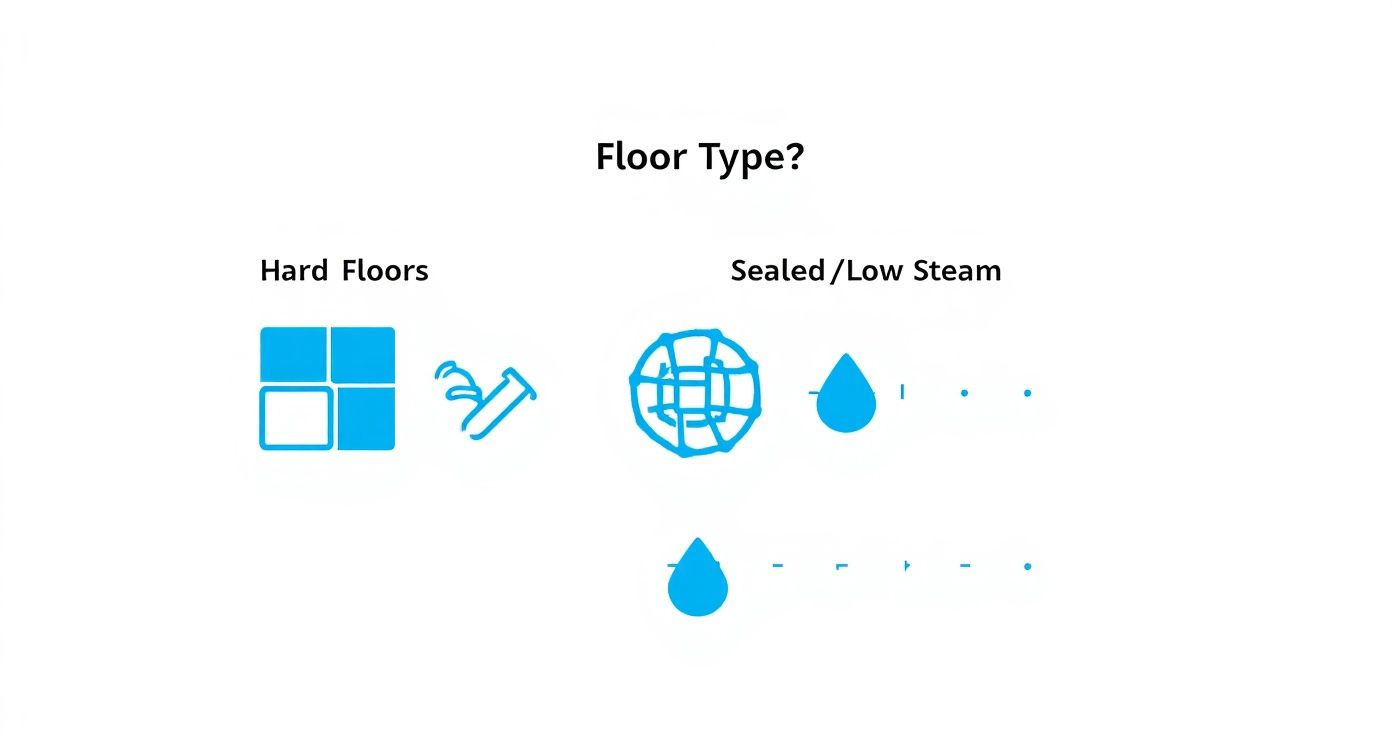
The key takeaway is that your floor’s sensitivity to heat and moisture dictates the right steam level, making adjustable settings a crucial safety feature.
The Power of a Detachable Handheld Unit
A standard steam mop does one job: floors. A 2-in-1 model, however, transforms into a multi-purpose cleaning powerhouse. With the press of a button, the central steam unit detaches, giving you a potent handheld steamer.
This feature opens up a whole new world of cleaning possibilities. You can use it to:
- Sanitise Kitchen Benchtops: Clean and disinfect food prep surfaces without harsh chemicals.
- Blast Grout Lines: Annihilate built-up grime and mould from tile grout in bathrooms and kitchens.
- Refresh Upholstery and Curtains: Gently steam fabrics to kill dust mites and eliminate odours.
- Clean Glass Shower Screens: Melt away soap scum and water spots for a streak-free finish.
Expert Insight: For homes in Melbourne, where damp winters can encourage mould in bathrooms, a detachable handheld steamer with a grout brush is an invaluable tool for keeping things hygienic and healthy.
While a 2-in-1 model usually costs a little more, its sheer versatility means you can ditch several other cleaning products and gadgets. It turns your floor cleaner into an all-in-one home sanitising solution.
Mop Head Design and Maneuverability
The shape of the mop head determines how easily you can clean around furniture and into those awkward, tight corners. A big rectangular head is great for covering open spaces fast, but a triangular or swivel head offers far better agility.
Look for a mop head that pivots and rotates, letting you navigate effortlessly around table legs, behind toilets, and along skirting boards. Some models even have a low-profile design to slide right under kitchen cabinets and couches. This kind of thoughtful design makes a huge difference, saving you time and a lot of frustration.
Steam Mop Feature Breakdown
The included accessories can dramatically expand what your steam mop can do, especially for models with a handheld unit. This table gives you a side-by-side look at the essential features to help you decide which steam mop type lines up with your cleaning needs.
| Feature | Standard Steam Mop | 2-in-1 Steam Mop with Handheld | Cylinder Steam Cleaner | Why It Matters for Australian Homes |
|---|---|---|---|---|
| Water Tank Size | 300-500ml (integrated) | 300-450ml (often detachable) | 1L+ (separate unit) | Large tanks are great for open-plan living; smaller tanks suit apartments and multi-level homes. |
| Steam Control | Often single setting or high/low | Usually variable steam control | Fully variable with pressure control | Essential for safely cleaning a mix of tiles, sealed timber, and laminate without causing damage. |
| Heat-Up Time | 15-30 seconds | 15-30 seconds | 2-5 minutes | Quick heat-up is perfect for fast, everyday spills and messes. |
| Handheld Unit | No | Yes, detaches from the main body | No (uses a hose and nozzle system) | Invaluable for cleaning grout, benchtops, and shower screens—common problem areas. |
| Key Accessories | 1-2 microfibre pads | Mop pads, grout brush, jet nozzle, window squeegee | Wide range of brushes, nozzles, and floor tools | A grout brush is a must for tackling mould in humid bathrooms, a common issue in many regions. |
Ultimately, a good steam mop will get the job done, but the best steam mop is the one with features that match your home’s layout, floor types, and biggest cleaning challenges. A homeowner with endless tiled areas will get the most out of high steam output and a grout tool, while someone in a compact apartment with timber floors should prioritise a lightweight design with precise variable steam control.
Matching Your Steam Mop to Your Floor Type
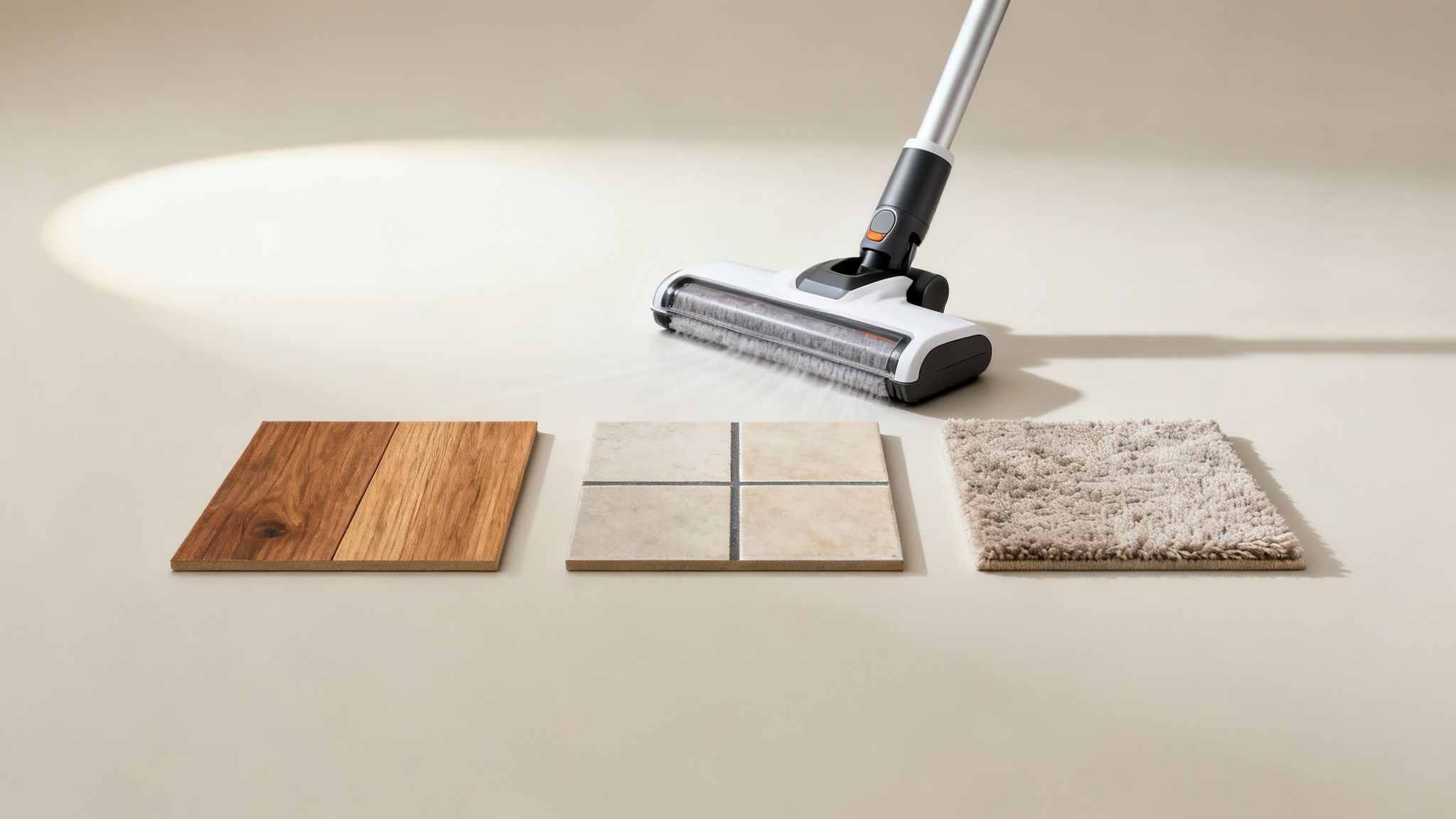
The real test of a great steam mop isn’t its raw power—it’s how well it works with your home’s floors. Using the wrong steam setting on the wrong surface can lead to costly damage, while the right combination leaves you with a flawless, hygienic clean. This is especially true in Australian homes, where you’ll often find a mix of classic timber floorboards and modern, sleek tiles under the same roof.
Choosing the right machine comes down to understanding the dance between steam, heat, and your floor’s material. A high-pressure blast that’s a miracle worker on grubby grout can be a total disaster for laminate, which is why a one-size-fits-all approach just doesn’t cut it. Let's break down how to get the perfect match for your home.
Safely Cleaning Sealed Timber and Laminate
Sealed hardwood and laminate floors bring a lot of warmth and character to a room, but they’re notoriously vulnerable to moisture and intense heat. Blasting them with too much steam can force water deep into the seams, causing the planks to warp, swell, or bubble over time. This is where variable steam control becomes an absolute must-have.
For these delicate surfaces, you need to stick to the lowest possible steam setting. The aim is to create a fine, almost "dry" mist that cleans the surface and evaporates almost instantly, leaving zero lingering dampness behind. Always keep the mop head moving and never, ever let it rest in one spot. Even a few seconds of concentrated heat can be enough to damage the finish.
While steam mops are incredibly versatile, it's vital to know the specifics, like the best way to clean hardwood floors, to protect your investment and keep them looking great for years.
Tackling Tough Tile and Grout
Tile and grout floors—a staple in Australian kitchens, bathrooms, and laundries—are the polar opposite of timber. These hardy surfaces can handle high heat and moisture, making them the perfect candidate for a powerful steam clean. This is where a steam mop truly shines, lifting the stubborn, ground-in dirt that a regular mop just pushes around.
To get the best results on tile, look for a steam mop that offers:
- High Steam Output: You need a strong, continuous flow of steam to penetrate the porous surface of grout and dissolve years of built-up grime.
- Grout Brush Attachment: This is a genuine game-changer. It’s a small, stiff-bristled brush that attaches to a nozzle or handheld unit, concentrating the steam and giving you the scrubbing power needed to get grout lines sparkling clean.
- Scrubbing Mop Pads: Some models come with special pads that have built-in scrubbing strips, adding extra friction to lift sticky messes from the tile itself.
Situational Scenario: For a family home in Melbourne with a tiled entryway that sees constant muddy footprints, the best steam mop is one with a powerful steam-on-demand function and a dedicated grout tool. This combination can restore discoloured grout and sanitise the high-traffic area effectively.
The popularity of hard flooring in Australian homes has driven a huge demand for steam mops, as they’re so effective at cleaning and sanitising these surfaces. Looking ahead, the steam cleaner market in Australia is set for continued growth through 2025, thanks to growing awareness of the health benefits and cleaning power of steam.
Refreshing Low Pile Carpets and Rugs
While a steam mop will never replace a professional carpet steam cleaner, it’s an excellent tool for light maintenance between deep cleans. Many models come with a carpet glider attachment, which is basically a plastic frame that snaps onto the mop head. This accessory lets the mop glide smoothly over low-pile carpets and area rugs without soaking them.
The steam works to:
- Sanitise the Surface: The high heat kills dust mites, bacteria, and allergens hiding in the top layer of the carpet fibres.
- Deodorise Fabrics: Steam helps neutralise lingering odours from pets or spills, leaving your rug smelling much fresher.
- Lift and Revive Fibres: The gentle moisture can help lift flattened carpet pile in high-traffic spots, improving its overall look and feel.
This method is perfect for a quick refresh, especially in homes with kids or pets who spend a lot of time on the floor. Just remember to always test it on a hidden spot first and avoid over-saturating the carpet.
Getting the Most Out of Your Steam Mop: Maintenance and Safety
Buying a great steam mop is the easy part. The real secret to years of powerful, chemical-free cleaning is knowing how to look after it. A little bit of regular care will keep your machine running smoothly, extend its life, and ensure it works safely every single time.
If you skip the basics, you'll notice it pretty quickly. Weak steam, streaky floors, and eventually, a dead machine. These simple tips will help you protect your mop, your floors, and yourself.
Regular Care for Peak Performance
The single most important thing you can do for your steam mop, especially here in Australia, is descale it. Our tap water is often "hard," meaning it's packed with minerals like calcium and magnesium. Over time, these minerals build up inside your mop’s boiler and nozzles, creating a chalky substance called scale that chokes off the water flow and will eventually kill the machine.
The best way to avoid this is to use demineralised or distilled water from the get-go. If you stick with tap water, you'll need to descale your mop every month or two. Just run a cycle with a 50/50 mix of white vinegar and distilled water, then follow it up with a clean water rinse. But—and this is important—always check your manual first. Some brands specifically warn against using vinegar.
Expert Tip: Is your steam mop suddenly hissing loudly or barely puffing out any steam? Mineral build-up is almost always the culprit. Regular descaling is the easiest fix to keep the pressure and heat consistent.
Your microfibre pads also need attention. A dirty pad can’t absorb grime; it just pushes it around, leaving you with a smeared mess.
- Wash After Every Use: Just throw them in the washing machine with your normal detergent.
- Skip the Fabric Softener: Fabric softeners and bleach are the enemies of microfibre. They coat the fibres and wreck their absorbency.
- Air Dry Only: The high heat from a clothes dryer can damage and shrink the material. Just hang them on the line to dry.
Critical Safety Protocols to Protect Your Home
A steam mop gets incredibly hot, so using it safely is non-negotiable. One wrong move could damage your floors or, worse, cause an injury. The number one rule is to never leave a hot mop sitting still on any surface, especially vinyl, laminate, or sealed timber. A few seconds of that concentrated steam is all it takes to make the finish warp, bubble, or discolour.
When you need to take a break, always place the mop on its cooling tray or a heat-proof mat. It’s a simple habit that will save you from a costly mistake.
You also need to be certain your floors can handle the heat. Steam cleaning is only safe for fully sealed hard surfaces. If you use it on unsealed wood, cracked tiles, or worn-out laminate, the moisture will seep in and cause serious, expensive damage. If you aren't sure, test a small, hidden spot first. And, of course, always be mindful of where the steam is pointing—never aim the nozzle at people or pets.
When You Should Call in a Professional Cleaner
A good steam mop is an absolute workhorse for keeping your floors fresh week to week. But it's just as important to know what it can't do. Consumer-grade steam mops are brilliant for surface-level sanitising and lifting everyday grime, but some jobs are simply too big for them. For those, you need the heavy-duty gear and know-how of a professional cleaning service.
It’s no surprise steam mops are so popular—the global market is expected to hit USD 4.48 billion by 2029, with our region (Asia-Pacific) making up about 25.50% of that. They’re fantastic for maintenance, but they're not built for deep, restorative cleaning. You can dive deeper into the global steam mops market trends to see just how popular they've become.
Scenarios That Demand a Pro
Trying to tackle certain cleaning disasters with a household steam mop can often make things worse or just not solve the problem at all. Knowing when to pick up the phone and call an expert is key.
Here’s when you should definitely hire a professional cleaner:
-
End-of-Lease or Bond Cleaning: Getting your bond back in full means meeting the sky-high standards of property managers. They'll be looking for a level of clean you just can't achieve without professional gear. Pros use powerful truck-mounted machines that blast hot water and suck out grime with incredible force—far beyond anything a domestic mop can manage.
-
Deep Carpet Cleaning: If your carpets are holding onto years of dirt, dust, and stubborn stains, a steam mop's carpet glider will only freshen up the very top layer. Professionals use hot water extraction, a process that flushes out dirt from deep within the carpet fibres and backing, leaving them truly clean.
-
Serious Mould Problems: A bit of surface mould is one thing, but extensive growth is a job for specialists. Professionals don’t just steam it away; they use specific treatments and containment protocols to safely eliminate the mould and stop its spores from spreading through your home's air.
-
Delicate Upholstery and Rugs: Using a standard steam mop on materials like silk, wool, or certain types of velvet is a huge gamble. You could end up with shrinkage, faded colours, or permanent water marks. A professional cleaner knows how to identify the fabric and will use the right temperature, pressure, and cleaning agents to treat it safely.
The Bottom Line: Your steam mop is your best friend for weekly cleans and tackling small spills. A professional cleaner is your emergency service for major restoration, bond cleans, and precious surfaces that need an expert touch.
Got a Few More Questions About Steam Mops?
It’s completely normal to have a few lingering questions before you settle on the right steam mop. Even after digging into all the features and floor types, some practical queries always seem to pop up. Here are some clear, straight-to-the-point answers to the questions we get asked the most, so you can make your final choice with total confidence.
Can I Use Regular Tap Water in My Steam Mop?
Technically, yes, you can. But should you? Probably not, especially here in Australia where a lot of our tap water is considered “hard.”
Hard water is loaded with minerals like calcium and magnesium. Over time, these minerals create a chalky build-up inside your steam mop’s boiler and nozzles. This gunk, known as scale, is a machine killer—it will clog everything up, weaken the steam pressure, and eventually cause the unit to fail.
To get the longest, most effective life out of your steam mop, always use demineralised or distilled water. It’s a simple switch that stops mineral build-up before it starts, keeping your machine running like new without needing constant descaling.
How Often Do the Microfibre Pads Need Replacing?
The lifespan of your microfibre pads really comes down to how often you clean and what kind of messes you’re dealing with. If you look after them—tossing them in the wash after each use (no fabric softener!) and letting them air dry—a good quality pad can serve you well for months.
You’ll know it’s time for a new set when you spot these tell-tale signs:
- The pad looks thin, is starting to fray, or has lost its plush texture.
- It’s not grabbing dirt anymore and just seems to push the grime around.
- Even after a good wash, it still holds onto stains or a musty odour.
As a general rule of thumb for regular use, plan on replacing them every 3 to 6 months. It’s always smart to have a couple of spares on hand, so you’re never stuck with a dirty pad when you need to clean.
Is a Steam Mop Truly Better Than a Mop and Bucket?
For the way most of us clean our homes today, the answer is a definite yes. Think about it: a traditional mop and bucket often ends up just sloshing dirty water around the floor, and you need to rely on chemical cleaners to do the sanitising. A steam mop flips that whole process on its head.
Key Difference: A steam mop cleans and sanitises in one go, using nothing but superheated water. It kills up to 99.9% of germs and bacteria without leaving any chemical residue behind. This makes it a faster, more hygienic, and much healthier choice for your home.
Do Steam Mops Actually Kill 99.9% of Germs?
That popular claim is absolutely backed by science, but there’s a small catch. A steam mop works because the steam it produces gets well above 100°C—a temperature hot enough to kill common household germs like E. coli and Salmonella on contact.
The trick to hitting that 99.9% kill rate is to move the mop slowly, letting the steam linger on each section for several seconds. If you just zip quickly across the floor, the steam won’t have enough contact time to do its job properly. Always check the manufacturer’s instructions to make sure you’re getting that deep, sanitising clean.
Ready to tackle the deep-seated grime a consumer mop can't handle? Right Price Carpet Cleaning uses powerful, truck-mounted steam cleaning machines to restore your carpets, upholstery, and grout to their absolute best. Get an instant online quote today.
Recent Comments