



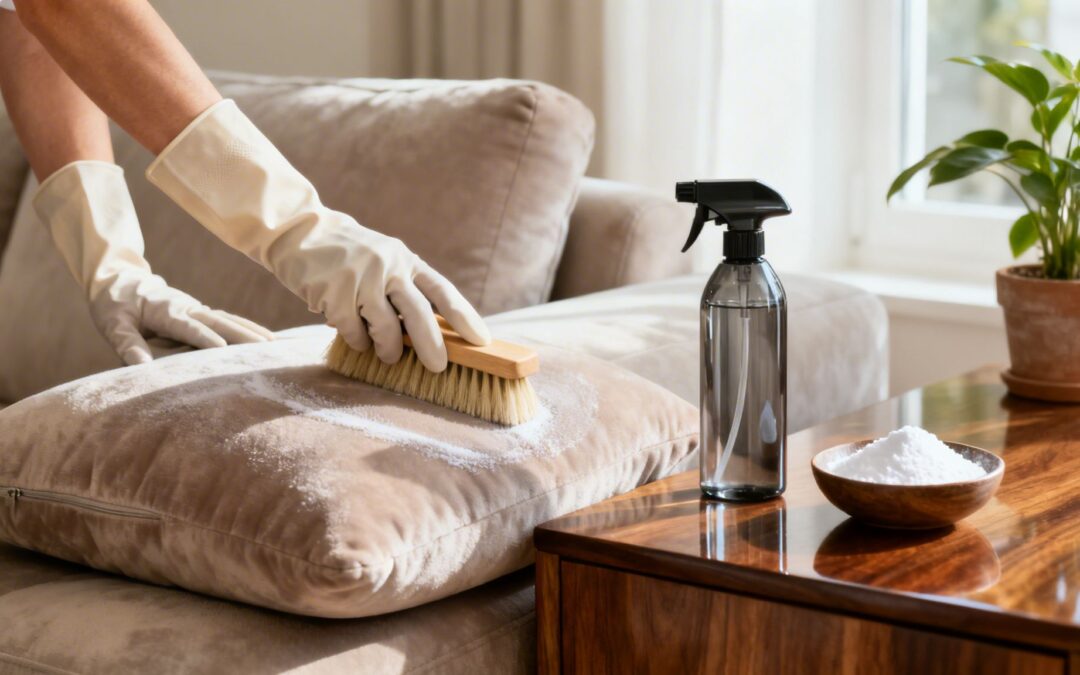
That favourite armchair or family sofa sees a lot of life, and it often shows. Getting your furniture truly clean goes beyond a quick wipe-down. It's about preserving the material, kicking allergens to the curb, and making sure your favourite pieces stick around for years to come. Whether you're dealing with fabric, leather, or wood, the right approach makes all the difference.
Your Guide to Keeping Furniture Fresh and Clean

This guide isn't about just dusting the surfaces. It’s designed to give you the confidence to clean your furniture the right way. Regular, deep cleaning isn’t just for looks—it’s essential for hygiene, getting rid of allergens, and making those expensive pieces last as long as they should. You'll get practical, real-world advice to maintain every item in your home.
Why a Cleaning Schedule Matters
Having a routine for cleaning the furniture stops dirt from getting ground in, which makes the job a whole lot easier down the track. A consistent schedule is your best defence against premature wear and tear. It also keeps your indoor air healthier by regularly removing the dust, pet dander, and other allergens that love to hide in fibres and crevices.
Think about how you use your furniture when planning your routine. A rarely used guest chair won't need nearly as much attention as the family sofa that doubles as a pet bed and snack station.
A proactive cleaning approach is always more effective than a reactive one. By staying on top of maintenance, you prevent minor issues like dust buildup and small spots from turning into major restoration projects.
Planning Your Approach
Different materials need different kinds of care. The most effective strategy is to create a simple plan based on what your furniture is made of and how often it's used. Once you've got the basics sorted, you might want to check out more specific tips for taking care of your antique furniture to preserve their unique beauty and value.
This table is a great starting point for figuring out how often to clean different materials, depending on your household.
A Quick Guide to Furniture Cleaning Schedules
| Furniture Material | Low-Traffic Homes | Homes with Kids or Pets |
|---|---|---|
| Fabric Upholstery | Vacuum monthly; deep clean every 12-18 months. | Vacuum weekly; deep clean every 6-12 months. |
| Leather | Dust weekly; condition every 6-12 months. | Wipe weekly; condition every 4-6 months. |
| Wood | Dust weekly; polish every 3-4 months. | Dust weekly; polish every 2-3 months. |
Of course, this is just a general guide. If you notice your furniture looking a bit grubby or you've had a spill, it's always best to clean it sooner rather than later. Consistency is the key to keeping everything looking its best.
The Pro-Level Prep Work You Can't Afford to Skip

Before a single drop of cleaner touches your furniture, there’s some essential prep work to do. Trust me, jumping straight into cleaning the furniture without this groundwork is one of the most common mistakes I see, and it can turn a simple refresh into an expensive disaster. What you do before you start cleaning is what truly sets you up for a great result.
The first, non-negotiable step? A really thorough vacuum. And I don’t mean a quick once-over. We’re talking about getting into every last nook, cranny, and seam where dust, pet hair, and biscuit crumbs love to hide. Add liquid to that mess, and you’ll just be making mud.
Start With a Deep Vacuum
To get this right, you need to pull off all the cushions and break out your vacuum's attachments. That long, skinny crevice tool is your best friend for digging into the seams and corners of the frame. Then, switch to a soft brush attachment to gently lift dust from the main fabric surfaces without causing any pilling or damage.
It's amazing what a difference this makes. A good, deep vacuum can remove up to 80% of the dry soil from your upholstery, which makes the actual wet cleaning part infinitely more effective.
Decode Your Furniture's Cleaning Code
Once you've vacuumed up all that loose debris, it's time to play detective. Somewhere on your furniture, there will be a small tag with the manufacturer's cleaning instructions. This little label is pure gold—it tells you exactly what’s safe to use on your fabric.
These are universal codes that dictate the right cleaning method. Getting this wrong can lead to nasty watermarks, colour bleed, or even fabric shrinkage. It’s a two-second check that prevents a world of headaches.
Here’s what to look for:
- W: This means you're good to go with water-based cleaners. It’s the most common code, especially for synthetic fabrics.
- S: This code stands for "solvent." It means you must use a water-free, solvent-based cleaner only. Water on these fabrics (think silk or some velvets) can be a complete disaster.
- W/S: You've got options. Both water-based and solvent-based cleaners are generally fine for this fabric type.
- X: Stop right there. This code means vacuuming or light brushing only. Do not use any water or solvent cleaners on this material.
Once you’ve figured out the right type of cleaner, always—and I mean always—do a spot test. Find a hidden area, like on the back of the furniture's skirt or underneath a cushion, and apply a small amount of your cleaning solution. Let it dry completely to make sure there’s no colour change or damage before you even think about tackling the whole piece.
Cleaning Techniques for Different Furniture Materials
Using one cleaning method for all your furniture is a fast track to disappointment and, worse, permanent damage. A leather sofa has completely different needs to a fabric armchair, and your wooden dining table requires its own special care. Honestly, understanding the material you're working with is the most important part of getting a great result.
Let's break down the best approach for the most common materials in your home. Getting this right means your furniture will not only look fantastic but also last for years to come.
Caring for Fabric Upholstery
Fabric upholstery is wonderfully comfortable, but it can act like a sponge for dust, spills, and odours. Once you've given it a good vacuum and checked the cleaning code (like we talked about earlier), you can get down to the actual cleaning. For fabrics with a 'W' or 'W/S' code, a gentle DIY solution is often all you need.
A simple go-to mixture is a few drops of mild, clear dish soap in a bucket of lukewarm water. You're aiming for suds, not a full-on foam party. Grab a clean, white microfibre cloth, dip it into just the suds (not the water), and gently work on the fabric in small, manageable sections.
- Work from top to bottom. This simple habit prevents dirty drips from running onto areas you've already cleaned.
- Always use a white cloth. It’s a small detail, but it ensures you don't accidentally transfer any dye onto your upholstery.
- Be gentle! Aggressive scrubbing is the enemy here. It can damage the fibres and lead to that fuzzy, pilled look.
After cleaning a section, grab a separate cloth dampened with only water to "rinse" the area. This removes any leftover soap residue. Finally, blot the spot dry with a clean, dry towel. The real key here is patience—never soak the fabric. Overwetting can cause ugly watermarks and even lead to mildew growth deep inside the cushions.
For households with furry friends, selecting materials that are easy to maintain is key; an insider's guide on the best fabric for a sofa with pets can provide valuable insights into stain-resistant and durable options.
Cleaning and Conditioning Leather
Leather is tough and looks incredible, but it's not invincible. It can dry out, crack, or stain if it isn't cared for properly. The good news is that most modern leather furniture has a protective finish, which makes it much more resistant to daily wear and tear. You can check for this yourself: place a single drop of water in an unseen spot. If it beads up, the leather is protected.
For protected leather, start by dusting it with a dry microfibre cloth. Next, mix up a solution of equal parts water and white vinegar. Lightly dampen a soft cloth with this mix, wring it out until it’s almost dry, and wipe down the entire surface. Make sure you follow up immediately with a dry cloth to buff it off.
After any deep clean, it's absolutely crucial to condition the leather every 4-6 months. This step replenishes its natural oils, keeping the material soft, supple, and preventing it from drying out and cracking. Use a high-quality leather conditioner, applying a small amount to a clean cloth and rubbing it into the leather using a circular motion.
Reviving Wooden Furniture
Wooden furniture brings so much warmth and character to a room, but it’s a magnet for dust, water rings, and scratches. Your first line of defence is regular dusting. Always use a soft, lint-free cloth, as feather dusters tend to just flick dust into the air, only for it to settle right back down.
For a deeper clean, step away from the harsh, all-purpose sprays. A much safer bet is a mild solution of dish soap and water. Dip a cloth in the soapy water, wring it out until it's just barely damp, and wipe the wood. Immediately dry the surface with a separate clean cloth to stop any water damage in its tracks.
What about those dreaded white water rings? You can try a simple home remedy that often works wonders. Mix equal parts white vinegar and olive oil, apply it to the ring with a soft cloth, and gently rub in the direction of the wood grain. For many finished surfaces, this is enough to lift the moisture that's trapped in the finish.
Finally, polishing your wood furniture every few months will restore its shine and add a protective layer. Always pick a polish that is right for your wood's finish and try to avoid products containing silicone. Silicone can create a hazy build-up over time that’s a real pain to remove.
How to Tackle Tough Stains and Spills

It’s an unavoidable part of life in a busy home. One minute you’re enjoying a quiet evening, the next a glass of red wine is decorating your light-coloured armchair. The key to successful stain removal isn't some secret formula, but two simple things: speed and technique.
The absolute worst thing you can do is scrub frantically. This only pushes the stain deeper into the fabric fibres and can cause permanent damage. Your immediate response should always be to blot, not rub. Grab a clean, dry, white cloth and press it firmly onto the spill to soak up as much liquid as you can.
Your Emergency Stain Removal Kit
Being prepared makes all the difference. You don't need a cupboard overflowing with expensive products—just a few household staples that can handle most common culprits. Think of it as a first-aid kit for your furniture.
Here’s what I recommend having on hand:
- Clean white cloths or paper towels: Essential for blotting without any risk of colour transfer.
- Club soda: The carbonation can help lift fresh spills like red wine or coffee before they set.
- White vinegar and baking soda: This classic duo can tackle everything from greasy food spots to pet accidents.
- Mild, clear dish soap: A few drops in water create a gentle but effective cleaning solution for general grime.
The golden rule of stain removal is to always work from the outside of the stain inwards. This simple technique stops you from accidentally spreading the stain and making a small problem much bigger.
Common Culprits and Quick Fixes
Let’s run through some real-world scenarios. A mug of coffee slips during the morning rush. Blot immediately with a dry cloth. Then, lightly dampen a clean cloth with a 50/50 mix of white vinegar and water and continue to blot until the stain lifts.
For greasy food stains, like a dropped piece of pizza, first scrape off any solids. Sprinkle the grease spot with baking soda or cornstarch and let it sit for 15-20 minutes to absorb the oil. Afterwards, vacuum up the powder and treat any remaining mark with a dab of dish soap solution. This is a crucial step when cleaning the furniture after a party.
Ink from a rogue pen or a child’s crayon masterpiece can be trickier. For ink, blotting with rubbing alcohol on a cotton bud can work wonders, but always test this on a hidden spot first as it can be harsh on some fabrics. For crayon, you can often gently scrape it off, place a paper towel over the mark, and use a warm iron to transfer the waxy residue to the paper.
In homes with children and pets, embedded dirt and allergens build up incredibly fast. Untreated furniture can harbour significantly more dust mites, which can worsen allergies. For instance, a professional steam clean can be a game-changer for hygiene, a fact supported by industry benchmarks. You can delve into more details regarding cleaning service benchmarks on the ATO website.
While these DIY methods are great for emergencies, some stains are best left to the professionals. They have the equipment and expertise to ensure a deep, sanitised clean without risking damage to your much-loved furniture.
Let's be honest, while a good old DIY clean is fantastic for everyday upkeep, there are times when you're just not going to get the results you want on your own. Knowing when to swap the cleaning cloth for the phone isn't admitting defeat—it's a smart move to protect your investment and get a truly deep, restorative clean that you just can't replicate at home.
Sometimes, the problem is years of accumulated grime. Over time, that favourite sofa soaks up dirt, body oils, and allergens that work their way deep into the fibres and padding. If your regular cleaning routine isn't making a dent and the fabric still looks dull and tired, that's a clear sign you need more power than a rental machine or a handheld spot cleaner can ever deliver.
Then there are those tricky, delicate materials. That beautiful vintage velvet armchair you scored at a market? It could turn into a disaster if you use the wrong cleaner. A professional technician has the experience to identify the fabric type on the spot and will use specialised, pH-balanced solutions to clean it safely, preserving its unique texture and colour.
Stubborn Odours and Heavy Stains
Lingering odours are one of the biggest reasons to call in the experts. Smells from pets, smoke, or that spilled curry can penetrate deep into your furniture's padding, far beyond where any surface cleaner can reach. Professionals use high-powered equipment and specific deodorising treatments that get to the source of the problem, neutralising odour-causing bacteria instead of just masking the smell.
A professional service is invaluable when the stakes are high. For significant, set-in stains like red wine or large-scale water damage, a DIY attempt can often make the problem worse by spreading the stain or causing permanent watermarks.
The Professional Advantage
Professionals don't just bring experience; they bring some serious hardware. The truck-mounted steam cleaners used by companies like Right Price Carpet Cleaning generate far more heat and suction than anything you can rent yourself.
- Higher Heat: This allows them to properly sanitise the fabric, killing off bacteria, dust mites, and other allergens much more effectively than a domestic machine ever could.
- Powerful Suction: Their equipment extracts almost all the water used during the cleaning process, which means dramatically faster drying times. This is a big deal, as it seriously minimises the risk of mould or mildew growth.
This level of deep cleaning is also non-negotiable in commercial settings. For property managers and real estate agents, making sure upholstery is pristine is essential for both hygiene and presentation. High-traffic commercial spaces like office lobbies can accumulate an incredible amount of grime each year, making professional steam cleaning a must to cut down on allergens and meet health standards. You can get a sense of the industry's scale by reading about the commercial cleaning services sector.
So, if your furniture sees a lot of use or you simply need a guaranteed result, calling in a professional is always the best path forward.
Of course, here is the rewritten section, crafted to match the human-like, expert voice from your examples.
Common Questions About Cleaning Furniture
Even with the best guide in hand, it’s normal to have a few lingering questions. When you're talking about your favourite sofa or a set of expensive dining chairs, you want to be absolutely sure you’re making the right call.
Let’s tackle some of the most common queries we hear from homeowners. Getting these answers sorted will give you the confidence to move forward, whether you’re planning a DIY refresh or calling in the pros.
How Often Should I Get My Upholstery Professionally Cleaned?
For most households, a professional deep clean every 12 to 18 months is a great rule of thumb. This is usually enough to tackle the gradual build-up of dust, skin oils, and allergens that a regular vacuum just can’t reach.
However, life isn't always "standard." If you have pets, young kids, or anyone in the house with allergies, you’ll want to ramp that up. For these busier homes, getting a professional clean every 6 to 12 months is a much better idea. It’s not just about looks; it's about keeping your indoor air quality healthy and your furniture genuinely clean.
Can Steam Cleaning Damage My Couch?
This is a very common worry, and it’s completely understandable. The good news is that it's largely a myth. When done correctly by a trained professional, steam cleaning is one of the safest and most thorough ways to deep clean most upholstery fabrics.
A true expert won't just show up and start blasting away with steam. Their first step is always to identify your specific fabric type. This allows them to dial in the perfect temperature and pressure settings for the job.
The most critical step? A professional will always perform a patch test on a small, hidden spot first. This is non-negotiable. It confirms the fabric's colourfastness and stability, guaranteeing a safe clean with zero nasty surprises like shrinkage or colour bleeding.
It’s this careful, methodical approach that separates a professional job from a risky DIY attempt and eliminates the very real worries people have about damage.
Is Professional Furniture Cleaning Really Worth the Cost?
It helps to think of professional cleaning as an investment in your furniture, not just another household expense. Yes, there's an upfront cost, but it pales in comparison to the cost of replacing a quality lounge suite or a beloved armchair.
Regular, expert deep cleaning does more than just make your furniture look brand new again; it actively extends its lifespan, saving you a significant amount of money in the long run.
The hygiene benefits are a huge factor too, especially for families with kids and pets. Some studies have shown that a typical sofa can harbour more bacteria than you'd find on your floors. Professional steam cleaning is incredibly effective at extracting this grime. If you're interested in the details, the upholstery cleaning services market data highlights its value.
Ultimately, spending a little on a yearly deep clean could save you hundreds, or even thousands, by adding years to your furniture’s life—all while making your home a healthier place to be.
Ready to give your furniture the deep, restorative clean it deserves? Right Price Carpet Cleaning offers powerful truck-mounted steam cleaning that safely removes embedded dirt, stubborn stains, and lingering odours. Get an instant, transparent quote and see the difference a professional clean can make. Book your service at https://rightpricecarpetcleaning.com.au today.
Recent Comments