



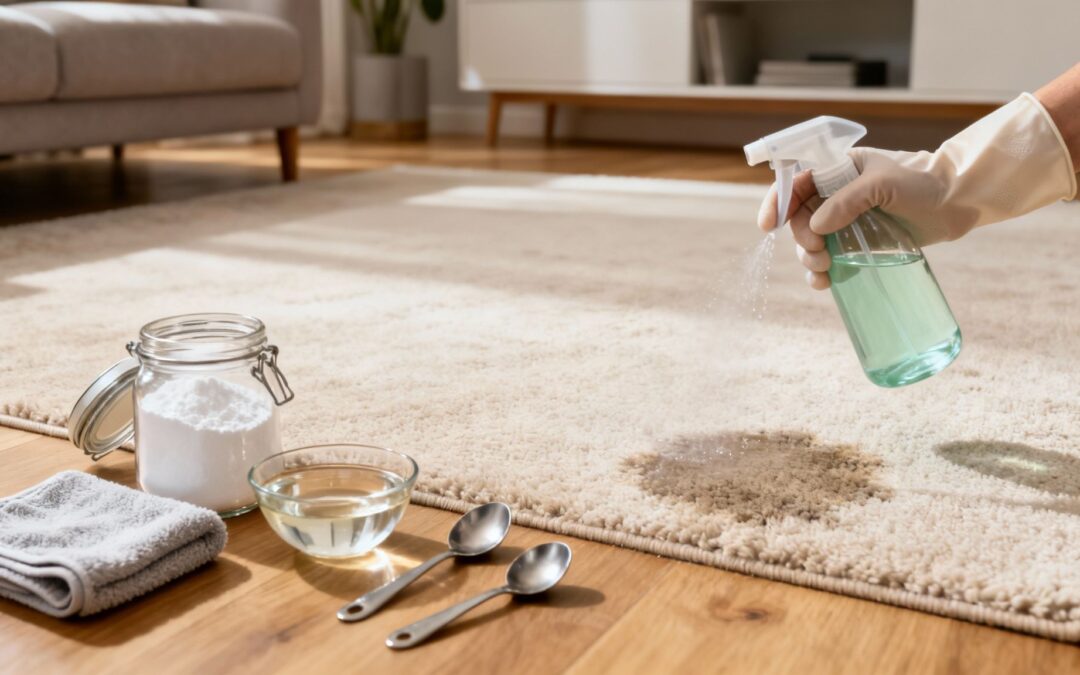
Whipping up your own homemade carpet cleaner is a fantastic way to handle those everyday spills and give your floors a quick refresh. All you need are a few simple ingredients, like the classic combo of vinegar and baking soda. Having these pantry staples on hand means you’ve got a cheap, effective, and immediate solution for common household messes. Best of all, you’re in complete control of what you use in your home.
Why DIY Carpet Cleaners Are Gaining Popularity
More and more, homeowners are skipping the chemical aisle and heading straight to their cupboards. The appeal isn't just about saving a few dollars; it's about simplicity, safety, and using ingredients you can actually pronounce. When you mix a simple solution yourself, you know exactly what’s going onto your floors—a huge relief for anyone with curious pets and young children.
This shift is even reflected in the market. The Australia Carpet Cleaner Market was valued at USD 15.43 million in 2024 and is tipped to nearly double by 2035. A big driver for this is the residential sector, especially with over 69% of Australian households now owning pets, which inevitably means more clean-ups. You can explore more about these market trends to see the full picture.
The Practical Benefits of a Homemade Approach
The perks of a homemade carpet cleaner go way beyond just saving money. They offer a great mix of convenience and control that’s hard to beat.
- Immediate Action: When that glass of red wine tips over, you can act instantly without a last-minute dash to the shops. A quick mix of vinegar and water can stop a stain from setting right in its tracks.
- Eco-Friendly Choice: Using biodegradable ingredients like baking soda reduces the chemical footprint in your home and is much kinder to the environment.
- Ingredient Transparency: You get to avoid the harsh fragrances and mystery chemicals found in many commercial products, which is a big win for people with allergies or sensitivities.
- Versatility: The same basic ingredients can be tweaked for different jobs, from general deodorising to tackling specific spots.
The real power of a DIY cleaner is its accessibility. Having a reliable, safe, and effective solution ready to go with ingredients you already own is empowering. It lets you manage messes confidently and immediately, which is key to protecting your carpet's longevity.
Understanding the Limitations
It's important to be realistic, though. While a homemade carpet cleaner is brilliant for surface-level spills, light traffic areas, and regular deodorising, it isn't a magic wand. These solutions just don't have the muscle to get deep into the carpet padding, where stubborn grime, allergens, and nasty odours from pet accidents love to hide.
There’s also the risk of leaving behind residue if you don't rinse it properly. Too much soap, for instance, can create a sticky patch that ends up attracting even more dirt over time. This is where you see the clear line between a quick fix and a true deep clean.
DIY methods are an excellent first line of defence, but they simply can’t replace the deep extraction and sanitisation that only professional equipment can deliver for set-in stains or a whole-room revitalisation.
Alright, let's get our hands dirty. Now that you know the pros and cons of going the DIY route, it’s time to mix up some cleaners that actually work. The good news is, you don’t need a chemistry degree to create a powerful carpet cleaner. A few simple ingredients from your pantry can tackle everything from general grime to stubborn odours and greasy spots.
The real secret is matching the right recipe to the right mess. Below are three of my go-to formulas, each designed for a different job. They’re all simple, cheap, and use things you probably have under your sink right now.
The All-Purpose Maintenance Spray
Think of this as your everyday workhorse. It’s perfect for sprucing up high-traffic areas, hitting minor spills before they set in, or even for use in many carpet cleaning machines. This mix gently lifts dirt and neutralises light odours without any harsh chemicals.
Here’s what you’ll need to make this versatile cleaner:
- 3.75 litres of warm water: If your carpet machine heats the water internally, just use room temperature.
- 60 ml (1/4 cup) of 3% hydrogen peroxide: This gives your carpet a gentle brightening boost and helps lift stains.
- 30 ml (2 tablespoons) of white vinegar: The acidity is great for breaking down grime and tackling those slightly funky, alkaline smells.
- 15 ml (1 tablespoon) of mild dish soap: Resist the urge to add more! I can't stress this enough. A tiny bit is all you need to lift dirt. Too much soap will leave behind a sticky residue that acts like a magnet for future grime.
Just pour everything into a large jug and give it a gentle swirl to combine. Try not to shake it up too much—you don't want a bucket full of bubbles. And just like that, your cleaner is ready to go.
Pro Tip: I never, ever skip this step. Before you go spraying any homemade solution on your carpet, always do a patch test. Find a hidden spot, like inside a cupboard or under the sofa, apply a small amount, and let it dry completely. You need to be sure it won’t discolour or damage your carpet fibres, especially if you have wool or natural blends.
The Ultimate Dry Deodorising Powder
Sometimes your carpet doesn’t need a full-on wash; it just needs a serious refresh. Lingering smells from pets, last night’s dinner, or just that general stuffy scent can really hang around. This dry powder is brilliant because it soaks up odours without adding any moisture, which is key to preventing that musty, mildew smell from developing.
Whipping up this deodoriser is easy:
- Grab a small bowl and mix 1 cup of baking soda with 1/2 cup of cornstarch. Baking soda is a natural powerhouse when it comes to absorbing and neutralising bad smells.
- Optional: For a nice, subtle scent, add 5-10 drops of your favourite essential oil. I like lavender or lemon, but anything fresh works well.
- Mix it all together and pour it into something you can shake it out of. An old parmesan cheese container or a clean spice jar works perfectly.
Sprinkle the powder generously over the entire carpet or just on the smelly spots. You’ll want to let it sit for at least 30 minutes, but for really tough odours, leaving it overnight makes a huge difference. The longer it sits, the more it absorbs. When you’re ready, just vacuum it all up thoroughly.
Targeted Spot Treatment for Greasy Stains
Greasy stains are a different beast entirely. Things like salad dressing, butter, or makeup smudges won't budge with a simple water-based cleaner. For these, you need a two-pronged attack that uses the fizzing reaction of baking soda and vinegar to lift the grease right out of the fibres.
You'll tackle this in two stages.
- First, soak up the oil. As soon as the spill happens, cover it with cornstarch or baking soda. Let it sit for about 15-20 minutes to draw out as much of the grease as possible, then vacuum it up.
- Next, hit it with the cleaning solution. In a spray bottle, mix equal parts white vinegar and water. Lightly mist the stain—don't soak it!
You'll see a gentle fizz as the vinegar reacts with the leftover powder. Let that work its magic for 5-10 minutes. Then, take a clean, dry cloth and gently blot the area. Always work from the outside of the stain inwards to keep it from spreading. You might need to repeat this, and once the stain is gone, finish by blotting with a cloth dampened with clean water.
As you get more comfortable making your own cleaners, you might want to learn more about the properties of common DIY cleaning ingredients like hydrogen peroxide and rubbing alcohol. Understanding what each ingredient does helps you tweak recipes for your specific needs.
At the end of the day, success with any homemade cleaner comes down to using the right formula for the job and applying it correctly.
DIY Carpet Cleaner Recipe Quick Reference
Here’s a quick cheat sheet for the recipes we just covered. It’s a handy reference for when you’re facing a spill and need to act fast.
| Cleaner Type | Key Ingredients | Best For | Carpet Fibre Warning |
|---|---|---|---|
| All-Purpose Spray | Water, Hydrogen Peroxide, Vinegar, Dish Soap | General cleaning, light stains, use in some carpet machines. | Always spot test on wool or natural fibres. |
| Dry Deodoriser | Baking Soda, Cornstarch, Essential Oils (optional) | Eliminating odours from pets, smoke, or stale air. | Safe for most carpet types, but vacuum thoroughly. |
| Grease Spot Treatment | Baking Soda/Cornstarch, Vinegar, Water | Oily spills like salad dressing, butter, or makeup. | Use vinegar sparingly on natural fibres; test first. |
Remember to save or bookmark these recipes. A quick response is often the difference between a stain that disappears and one that sticks around for good.
How to Tackle Tough Stains The DIY Way
Even with the best intentions, spills happen. A dropped mug of coffee or muddy paw prints can feel like a total carpet catastrophe, but with the right homemade cleaner and a bit of quick thinking, you can often stop them from becoming a permanent fixture. The real trick is to act fast and use a targeted approach for the specific type of spill you're dealing with.
The golden rule for any fresh spill is simple: blot, don’t rub. Seriously, rubbing is the worst thing you can do. It just grinds the stain deeper into the carpet fibres, making it a nightmare to remove and potentially ruining the carpet's texture. Always grab a clean, white cloth, press down gently, and work from the outside of the stain inward to stop it from spreading.
The Dreaded Red Wine Spill
It’s a classic for a reason—a guest gets a bit too animated, and suddenly there’s a splash of Shiraz on your light-coloured rug. Don't panic. The second it happens, grab some table salt and generously cover the fresh stain. The salt will immediately start to draw the wine out of the fibres.
Let it sit for at least a few minutes, or until you can see the salt turning pink. Once it has done its job, vacuum up all the salt. If there’s any colour left, hit it with a spray made from equal parts white vinegar and water. Lightly mist the area, let it sit for five to ten minutes, then blot it clean with a fresh, dry cloth.
Conquering Coffee and Tea Stains
That morning coffee is non-negotiable, but it can leave a nasty, stubborn stain if you're not careful. These tannin-based stains need a slightly different game plan. First things first, blot up as much of the liquid as you possibly can.
Next, you're going to make a simple cleaning paste.
- Mix one tablespoon of white vinegar with one tablespoon of bicarb soda.
- Apply the fizzing paste directly onto the coffee stain.
- Let it sit for about 10-15 minutes while it works its magic breaking down the stain.
Gently scrub the spot with an old toothbrush, then blot with a cloth dampened with cool water to rinse it out. Keep blotting with a dry cloth until the area is nearly dry to the touch. The fizzing reaction is what really helps lift that brown pigment out of the carpet fibres.
Choosing the right approach all comes down to what you've spilt. This chart helps simplify your decision-making process for the most common household messes.
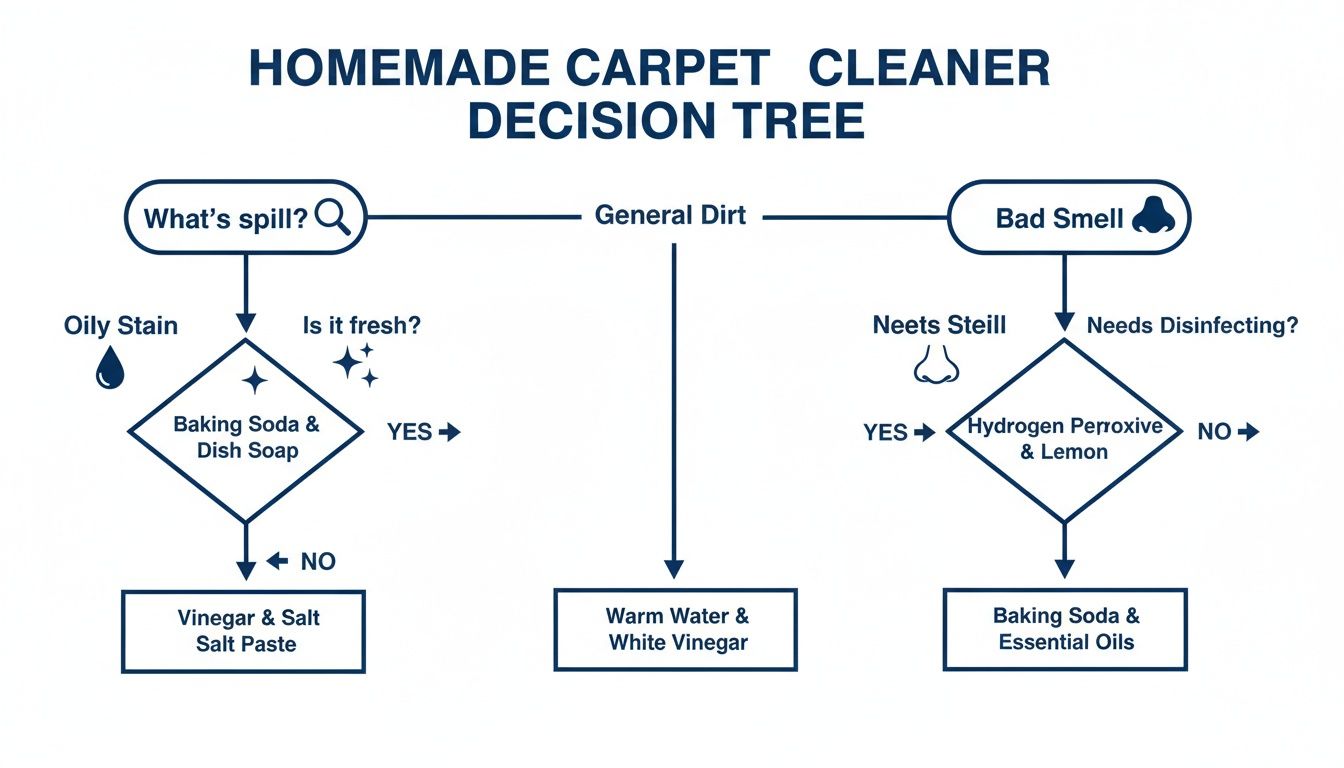
As the guide shows, different problems—like oily spills versus general dirt—require unique homemade solutions to get the best results.
Managing Muddy Paw Prints
The dog just tore through the house after a rainy day, leaving a trail of muddy paw prints in its wake. Your first instinct might be to scrub them right away, but for mud, patience is your best friend. Let the mud dry completely. I know it's hard, but trying to clean wet mud will only smear it into a larger, more ground-in mess.
Once the mud is totally dry and hard, use a stiff brush or the edge of a spoon to break up and scrape off as much of the solid dirt as possible. Vacuum the area thoroughly to pick up all those loose bits. For any leftover discolouration, a simple mix of warm water and a tiny drop of dish soap is usually all you need. Apply, blot, and rinse with a clean, damp cloth.
Neutralising Pet Urine Odours and Stains
Pet accidents are one of the most common—and frustrating—carpet issues out there. The challenge is two-fold: you need to remove the visible stain and eliminate that lingering odour, which is caused by uric acid crystals.
A homemade carpet cleaner using vinegar is your best weapon here. Vinegar's natural acidity works to break down and neutralise the alkaline uric acid, effectively killing the smell at its source so your pet isn't tempted to go in the same spot again.
First, blot the area with paper towels to absorb as much urine as you can. Next, saturate the spot with a solution of one part white vinegar to one part water. Let it soak for 10-15 minutes to give the vinegar time to work. Blot the area dry again.
Once the spot is almost dry, sprinkle a generous amount of bicarb soda over it to absorb any remaining moisture and odour. Let the bicarb soda sit for several hours or even overnight before vacuuming it up completely. This two-step process is brilliant because it tackles both the stain and the smell.
It’s also important to manage expectations with deep-set pet stains. With Australia's pet numbers hitting a massive 29 million, managing mess is a huge focus for homeowners. While homemade solutions are popular, they often only remove 40-60% of pet urine crystals and dander. This can allow bacteria to regrow, which is bad news for the 1 in 5 allergy sufferers in a household. In contrast, professional systems can eliminate 99% of odours and allergens—a crucial difference for families with sensitivities. You can learn more about these home hygiene trends and see the data for yourself.
Common Mistakes to Avoid With Homemade Cleaners
Jumping into the DIY cleaning world is satisfying, but a few common missteps can quickly turn a simple clean-up into a carpet catastrophe. Knowing what not to do is just as important as having the right recipe for a homemade carpet cleaner. These mistakes are easy to make but, thankfully, just as easy to avoid with a little know-how.
One of the most frequent errors is over-wetting the carpet. It’s tempting to think that more water equals a deeper clean, but the opposite is often true. When you saturate your carpet, the excess moisture soaks deep into the padding and even the subfloor, creating the perfect damp, dark environment for mould and mildew to take hold.
This not only leads to a persistent musty smell but can also cause the carpet backing to rot over time. You might clean a spill on a Saturday, only to notice a funky odour a week later that you just can't seem to place. That's often the calling card of a carpet that never properly dried.
The Problem With Too Much Soap
Another classic mistake is going overboard with the dish soap. We’ve all seen the commercials where suds equal cleaning power, but when it comes to carpets, less is definitely more. Using too much soap in your homemade solution leaves behind a sticky, soapy film.
This residue acts like a dirt magnet. While the carpet might look clean at first, that sticky patch will quickly attract new dust, dirt, and grime, creating a dark, soiled spot that’s even harder to clean than the original stain. You end up in a frustrating cycle of cleaning the same spot over and over.
The goal of any cleaner, homemade or professional, is to leave nothing behind but clean fibres. If your carpet feels stiff or sticky after it dries, you've likely used too much of an ingredient—usually soap—and it's now attracting new soil.
Using the Wrong Solution for Your Carpet Fibre
Not all carpet fibres are created equal, and using the wrong cleaning solution can cause irreversible damage. Many popular DIY recipes rely on acidic ingredients like white vinegar, which are fantastic for synthetic carpets like nylon and polyester.
However, applying that same acidic solution to a natural fibre carpet, such as wool or silk, can be a disaster. Vinegar can strip the natural lanolin oils from wool, leaving the fibres brittle and dull. In some cases, it can even cause permanent discolouration. This is why the golden rule of always spot testing on a hidden area is completely non-negotiable.
The Folly of Aggressive Scrubbing
When faced with a stubborn stain, the first instinct is often to grab a brush and scrub with all your might. This is one of the worst things you can do. Aggressive scrubbing doesn't lift the stain; it just frays and damages the delicate carpet fibres.
This friction can untwist the fibre bundles, leading to a fuzzy, worn-out patch that looks noticeably different from the rest of your carpet. Instead of scrubbing, you should always gently blot a stain, working from the outside in with a clean cloth. This method lifts the spill out of the fibres without causing damage, preserving your carpet's texture and appearance for years to come.
Knowing When to Call a Professional Carpet Cleaner
While a homemade carpet cleaner is a brilliant first line of defence for everyday spills and light maintenance, it’s important to know its limits. There are times when even the best DIY efforts just won't cut it. Calling in a professional isn't admitting defeat—it's making a smart, strategic decision to protect your carpet's health and longevity.
Think of it like this: you'd use a plaster for a small cut, but you'd see a doctor for stitches. The same logic applies here.
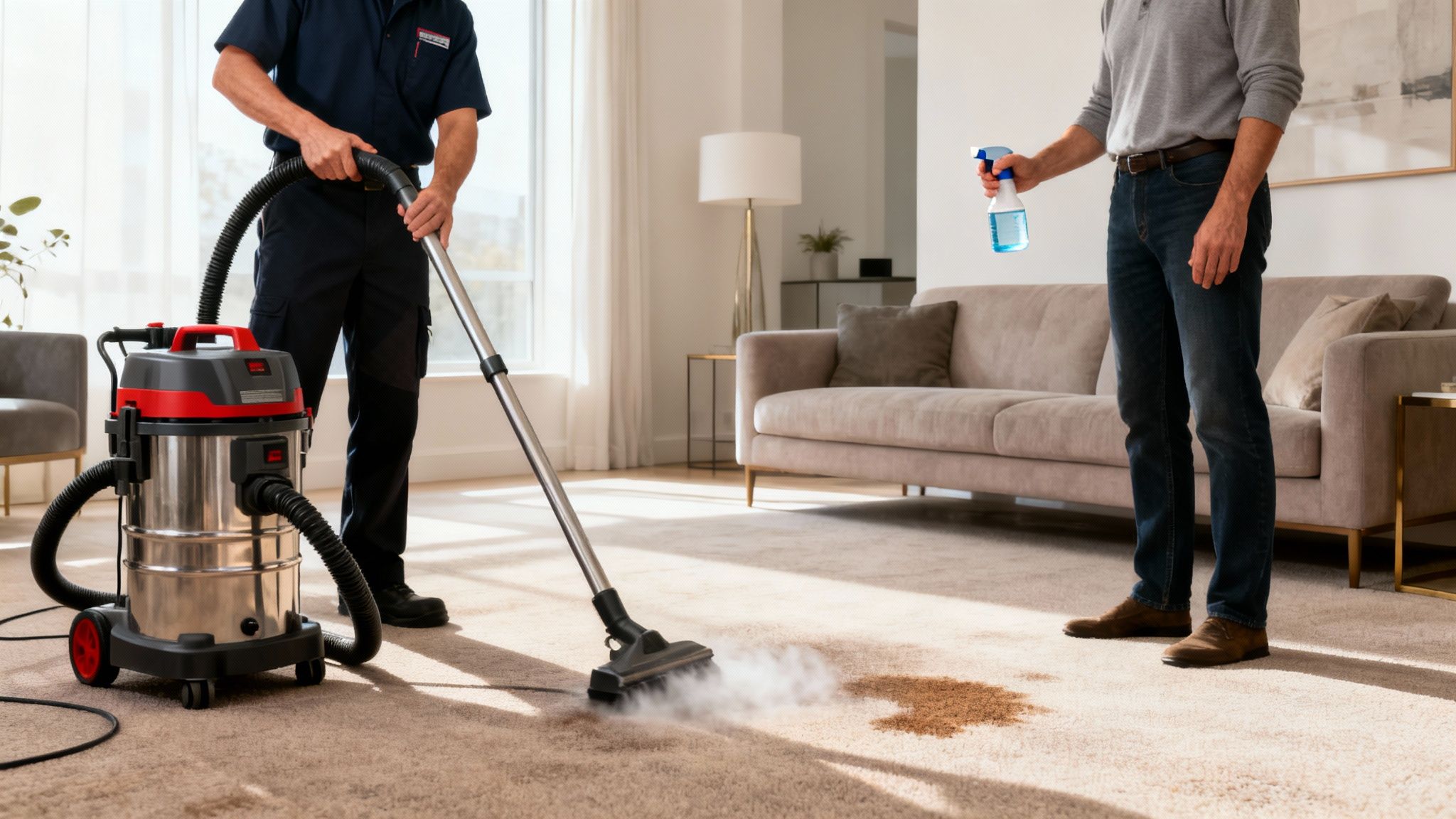
Sometimes, the signs are obvious. If you're dealing with a massive spill or a stain that just won't budge, it's time to pick up the phone. A professional service brings industrial-strength equipment and specialised knowledge that you simply can't replicate with a spray bottle and elbow grease.
Clear Signs It's Time for an Expert
Certain situations go well beyond the scope of a simple vinegar and water solution. If you encounter any of the following, it's a clear signal your carpet needs more muscle than a DIY approach can offer.
- Persistent Odours That Won't Quit: You’ve tried the baking soda trick multiple times, but a stubborn smell from pets or mildew just keeps coming back. This usually means the source is deep in the carpet padding, far beyond the reach of surface treatments.
- Deep-Set, Reappearing Stains: You clean a spot, it looks great, but a few days later, a shadow of the stain creeps back. This is a classic case of "wicking," where the stain is so deep in the carpet pile that it gets pulled back to the surface as it dries.
- Significant Water Damage: After a leak or minor flood, a DIY clean is simply not enough. Professionals have high-powered extraction and drying equipment to prevent dangerous mould and mildew growth in the padding and subfloor.
- Allergen and Dust Mite Concerns: If someone in your home suffers from allergies or asthma, a professional deep clean is essential. Their equipment can remove deeply embedded allergens, dust mites, and dander that a household vacuum always leaves behind.
The Professional Advantage: Power and Precision
The real difference between your homemade solution and a professional service boils down to two things: extraction power and heat. A professional truck-mounted steam cleaner heats water to a much higher temperature, which is far more effective at breaking down grease, oils, and stubborn grime.
More importantly, the vacuum suction on these machines is incredibly powerful. It pulls nearly all the water, dirt, and cleaning solution out of the carpet, leaving it much cleaner and drying significantly faster. This powerful extraction is key to avoiding the overwetting issues—like mould growth or sticky residue—that can sometimes happen with DIY methods.
Residential demand for carpet cleaning is huge, making up 45% of the market, often driven by households needing to manage wear from high traffic and spills. Studies show homemade cleaners typically achieve about 50% stain removal efficacy, whereas professional steam methods hit around 92%, which can lead to 40% more repeat cleanings for DIYers. Plus, pro services offer much faster drying times of just 2-4 hours, preventing the damp conditions that foster mould.
Choosing a professional is an investment in a truly hygienic clean. It goes beyond looks to improve your home's indoor air quality and remove the deep-down contaminants that DIY solutions just can't reach.
Making the Smart Choice for Your Home
Ultimately, the decision to call a professional is about protecting your investment and ensuring a healthy living environment. While your homemade carpet cleaner is perfect for immediate spill control and routine upkeep, a professional deep clean every 12-18 months is recommended to truly revitalise your carpets.
This principle of knowing when to call a professional cleaning company applies to other areas of home maintenance as well. It’s all about using the right tool for the job to get the best possible result.
Got Questions About Your Homemade Carpet Cleaner? Let's Clear Things Up
Even with the best recipes, diving into DIY carpet cleaning can bring up a few questions. It's completely normal. Let's walk through some of the most common ones we hear, so you can clean with total confidence.
Is Vinegar Really Safe for All Carpets?
For most common synthetic carpets like nylon or polyester, a diluted white vinegar solution is perfectly safe and works wonders. But, you need to be careful with natural fibres. Materials like wool or silk have natural oils that vinegar's acidity can strip away, which might lead to brittleness or even discolouration over time.
This is exactly why a spot test is non-negotiable. Seriously, don't skip it. Find a hidden spot—maybe inside a cupboard or under the sofa—apply a little bit of your cleaning solution, and let it dry completely. If it looks good, you're clear to tackle the rest of the carpet.
Can I Pour My DIY Solution into a Rental Machine?
I'd strongly advise against it. Rental carpet cleaning machines are built for specific commercial-grade formulas. These solutions are low-foaming and engineered to leave zero residue behind.
Homemade recipes, especially those with dish soap or even just vinegar, can create way too much foam or leave a sticky film inside the machine. This can easily clog the internal parts or cause real damage, putting your deposit at risk or landing you with a repair bill. To get the best results and keep the machine happy, always use the cleaning solution the rental company recommends.
It all comes down to residue and mechanics. Rental machines are finely tuned for specific chemical formulas. Tipping in a homemade cleaner throws that balance off, which almost always leads to poor results and potential damage.
How Do I Get Rid of That Vinegar Smell After Cleaning?
Don't worry, that sharp vinegar smell is only temporary. It will fade away on its own as your carpet dries, which usually takes a few hours, depending on how much air is flowing through the room.
To speed things up, get some ventilation going. Crack open a few windows or point a fan across the carpet's surface. If you notice a faint smell still hanging around after the carpet is bone dry, just sprinkle some dry baking soda over the area. Let it sit for about 15–30 minutes to soak up any lingering odours, then give it a thorough vacuum. Fresh and clean.
Why Did My Stain Come Back After I Cleaned It?
Ah, the phantom stain. This is a classic, frustrating problem called "wicking," and it's super common with DIY carpet cleaning. It happens when a spill has soaked deep down, not just into the carpet backing but into the underlay as well. When you clean the surface, the moisture you add travels down and re-dissolves all that hidden gunk.
As the carpet dries from the top down, that now-dirty water gets pulled—or "wicked"—back up to the surface. The result? The stain reappears, often looking like a faint, ghostly version of its old self. This is usually a sign that too much water was used or that the suction wasn't powerful enough to pull moisture from deep within the carpet—which is where professional-grade steam cleaning really shines.
Still battling stubborn stains, or just feel like your home needs a deeper, more hygienic clean? The expert team at Right Price Carpet Cleaning uses powerful, truck-mounted steam cleaning to pull out the grime that homemade solutions can't reach. Get your free, instant quote online today.
Recent Comments