



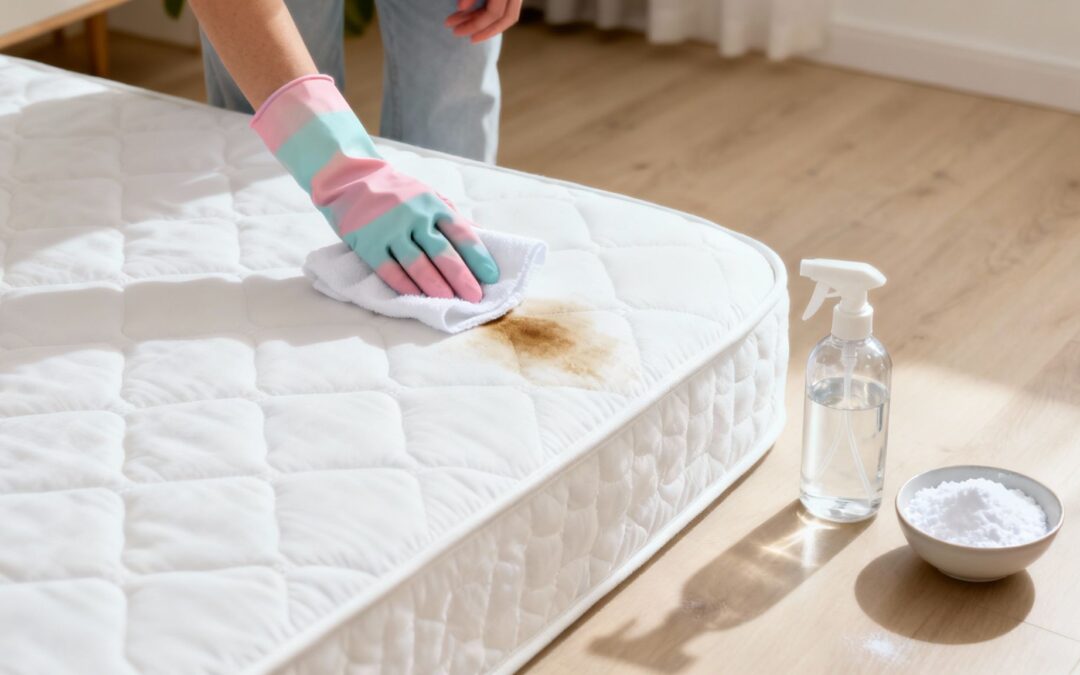
When you spot a fresh stain on your mattress, your first instinct is your most important one: blot, don't rub. Grab a clean, dry cloth, press it firmly onto the spill, and let it soak up as much liquid as it can. Acting fast with this one simple move can make all the difference between a minor cleanup and a permanent mark.
Your First Moves for Any Mattress Stain
Seeing a spill on your bed is always a bit of a sinking feeling, but what you do in those first few minutes is what really counts. The main goal is to get to it before the liquid soaks deep into the mattress fibres and decides to stay for good.
Whatever you do, resist the urge to scrub. Rubbing a fresh stain is the worst thing you can do—it just pushes the liquid deeper and can even damage the mattress fabric.
Instead, gentle blotting with a clean cloth or a few paper towels lifts the moisture straight out. Always work from the outside edge of the stain toward the centre. This stops you from accidentally making the stain bigger. Keep using a fresh, dry part of the cloth until you can’t pull any more liquid out. Honestly, this step alone massively boosts your chances of getting the mark out completely.
Before we dive into specific stain treatments, it's worth putting together a quick reference for those initial moments of panic. Different spills need slightly different immediate responses to stop them from setting.
Quick Action Guide for Common Mattress Stains
Here’s a handy table summarising the best first steps for the most common culprits. Think of it as your emergency cheat sheet for mattress spills.
| Stain Type | Immediate Action | Initial Cleaning Agent |
|---|---|---|
| Blood | Blot gently with a dry cloth | Dab with cold water only |
| Urine | Blot thoroughly to absorb as much as possible | Spray a 50/50 mix of white vinegar and water |
| Vomit | Scrape off solids, then blot the liquid | Blot with a damp cloth and a bit of dish soap |
| Wine/Coffee | Blot heavily with a dry cloth | Dab with a mix of water and a little dish soap |
| Sweat | Blot the damp area if fresh | Lightly spray with a 50/50 white vinegar and water mix |
This table covers that crucial first response. Once you’ve contained the spill, you can move on to a more thorough cleaning method.
Essential Supplies for a Rapid Response
Having a few key items on hand can turn a potential disaster into a minor inconvenience. You don’t need a cupboard full of expensive commercial products; for most fresh spills, a few household staples are all you need.
Make sure you have these in your cleaning kit:
- Clean, white cloths: Using white cloths is a pro tip—it stops any sneaky colour transfer from the cloth to your mattress fabric.
- Baking soda: An absolute champion for absorbing moisture and neutralising odours.
- Distilled white vinegar: Its mild acidity is great for breaking down a whole range of common stains.
- Cold water: This is non-negotiable for protein-based stains like blood, as warm water will set them permanently.
The Universal Cleaning Solution
Once you’ve blotted the area dry, you can whip up a simple, all-purpose cleaning paste that works wonders on many stains.
Just mix a small amount of baking soda with a few drops of cold water until you have a thick, spreadable paste. Gently apply it over the damp spot. The baking soda will get to work pulling out any remaining moisture and tackling potential odours right away.
Let the paste sit and work its magic for at least 30 minutes. As it dries, you’ll see it start to pull the remnants of the spill up from the mattress fabric. Once it’s completely dry and crusty, just vacuum the residue away. It’s a gentle but effective approach that’s safe for most mattresses and sets you up perfectly for any deeper cleaning that might be needed.
Targeted DIY Solutions for Stubborn Stains
Once you’ve blotted the immediate spill, it’s time to deal with what’s left behind. Different stains have their own unique chemical makeup, which means a one-size-fits-all approach just won't cut it for those stubborn, set-in marks. The secret is knowing what you're up against so you can choose the right method to break it down.
For example, biological stains like blood, urine, and sweat are all protein-based, so they need a specific strategy. On the other hand, food and drink spills often contain tannins or oils that need a totally different kind of solvent to dissolve them.
This flowchart gives you a quick visual guide for how to approach a fresh stain versus an older one.
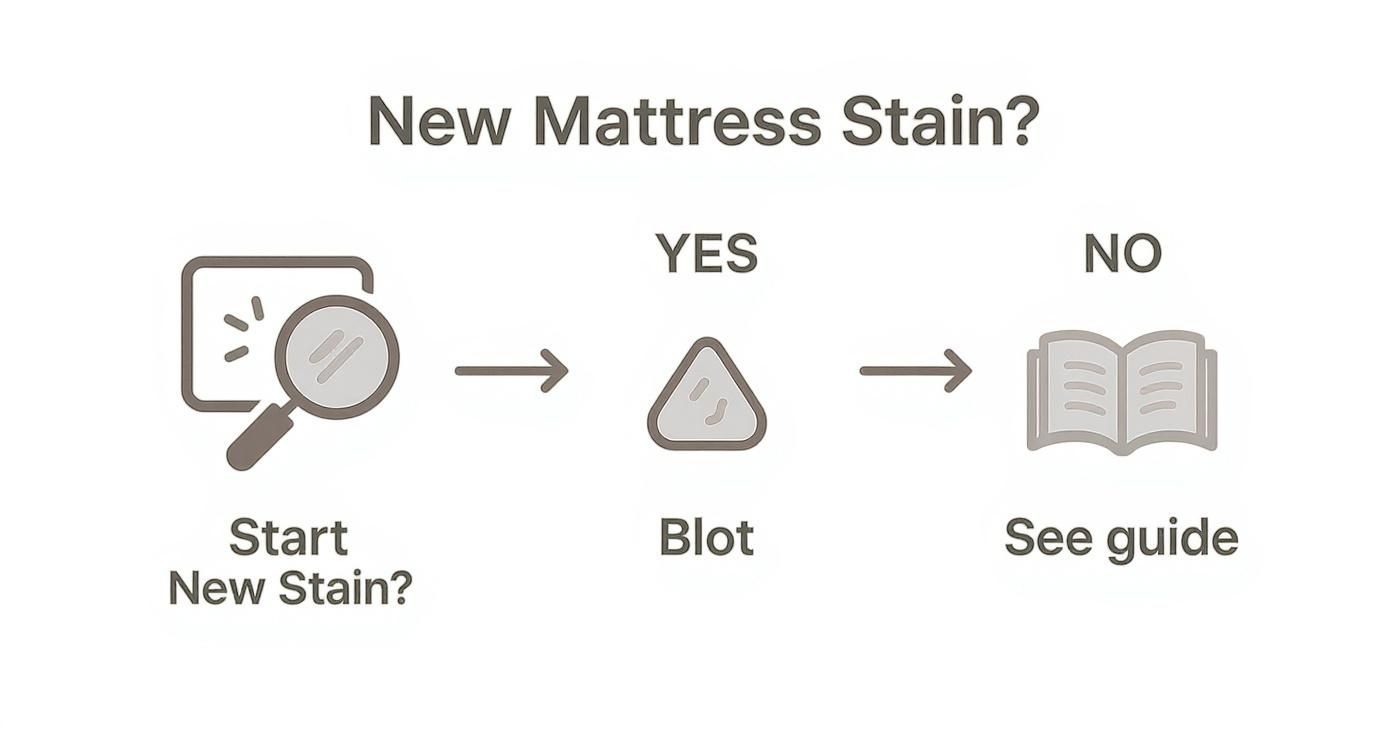
The key takeaway is clear: immediate blotting is your best defence. But if the stain has already set, you'll need the targeted solutions we're about to cover.
Dealing with Biological Stains
Biological stains are some of the most common—and challenging—marks we see on mattresses. Professional cleaners across Australian households often point to sweat and other bodily fluids as the main culprits. It’s surprising, but mattresses can absorb a huge amount of urea over a year, which leads to that yellow discolouration and musty odour.
For light to moderate stains, simple household solutions often do the trick. Heavier stains from blood or deep-set urine, however, require a more intensive approach.
Pro Tip: Always, always use cold water for protein-based stains like blood. Hot water will essentially "cook" the proteins, causing them to bond permanently with the mattress fibres. Once that happens, the stain is there for good.
For Blood Stains
If the stain is fresh, start by blotting it with a cloth dampened with cold water. For a dried stain, you’ll need to make a paste using bicarb soda and a small amount of cold water.
- Apply the paste directly onto the blood stain.
- Let it sit for at least 30 minutes to an hour until it’s completely dry.
- Once it's dry, scrape off the excess paste and give the area a thorough vacuum.
If a faint mark remains, you can carefully dab a small amount of 3% hydrogen peroxide onto the stain with a cotton bud. You should see it fizz as it works on breaking down the blood. Be careful, though, as hydrogen peroxide can bleach some fabrics. Always test it on an inconspicuous spot first.
For Urine and Sweat Stains
Urine and sweat stains are a double-whammy, leaving behind not just a mark but also a lingering odour. That ammonia smell comes from uric acid crystals that get left behind after the liquid evaporates.
- Create a Solution: In a spray bottle, mix one part distilled white vinegar with one part water.
- Apply and Blot: Lightly spray the stained area—you don’t want to saturate it. Gently blot the area with a clean cloth to lift both the stain and the vinegar solution.
- Neutralise Odour: Once the area is just damp, sprinkle a generous layer of bicarb soda over it. The bicarb soda will absorb any remaining moisture and neutralise that acidic odour. Let it sit for several hours, or even overnight, before vacuuming it all up.
Tackling Food and Drink Spills
Coffee mornings in bed and a late-night glass of wine are lovely rituals, right up until a spill happens. These types of stains often contain tannins, which are notorious for causing discolouration.
For Red Wine or Coffee Stains
The approach for these dark-coloured drinks is pretty similar. After blotting up as much of the fresh spill as you can, you can use a simple salt and cold water trick.
- Lightly dampen the stain with a small amount of cold water.
- Cover the stain completely with a thick layer of table salt. The salt will start to draw the coloured liquid out of the mattress fibres.
- Let it sit for a few hours. You'll actually see the salt turn pink or brown as it absorbs the stain.
- Vacuum up all the salt and see how it looks.
If there’s still a mark, a solution of mild dishwashing liquid and water can be used to dab the spot clean. When you're looking for effective DIY solutions, it can also be useful to explore new cleaning product ranges that offer specialised stain-fighting power. By matching the right ingredients to the specific type of stain, you can effectively restore your mattress to a clean and fresh state.
How to Properly Dry and Deodorize Your Mattress
So, you’ve tackled the stain and it’s gone. Job done, right? Not quite. What you do next is just as important as the cleaning itself. Leaving your mattress even slightly damp is basically rolling out the welcome mat for mould and mildew, which is a far bigger headache than the original spot.
Getting the treated area completely dry is non-negotiable. It’s about protecting your mattress and your health. Trapped moisture doesn’t just cause a musty smell; it creates the perfect breeding ground for bacteria and all sorts of other nasties. The goal here is to get it bone-dry, and as quickly as you can.
Accelerating the Drying Process
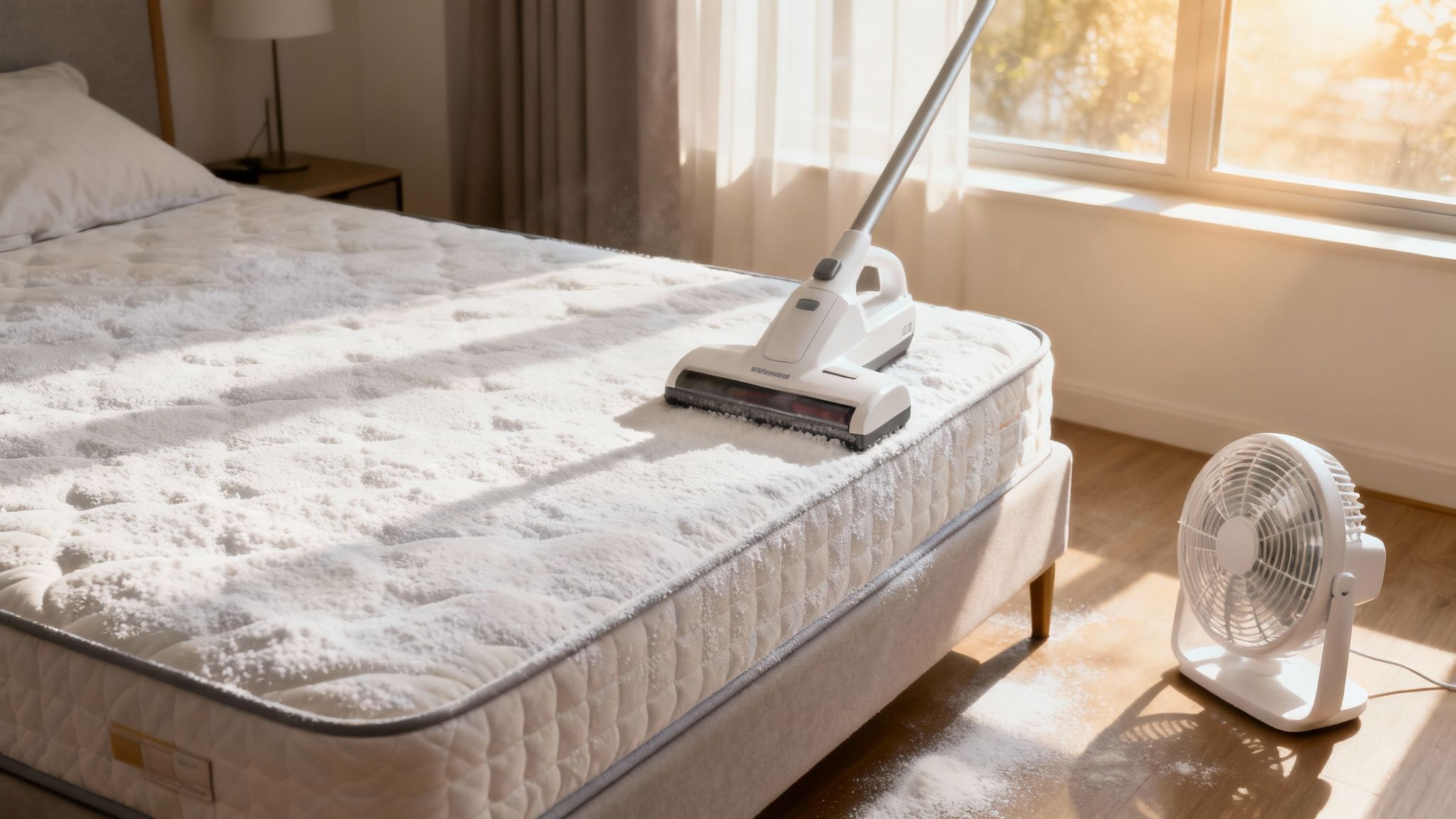
Airflow is your best mate for this part of the job. If the weather’s on your side, throw open the windows to get a good cross-breeze going. For a more direct approach, point a fan straight at the damp patch to seriously speed up evaporation.
If you’re dealing with Melbourne’s cooler, more humid weather, a dehumidifier is a fantastic tool. Pop it next to the bed and let it run for a few hours. It’ll pull moisture right out of the air and, more importantly, out of your mattress fabric.
A common mistake I see is people reaching for a hairdryer. The heat can actually damage the delicate fibres in your mattress or, even worse, set any remnants of the stain you might have missed. Stick to cool, circulating air—it’s the safest and most effective way to dry things out.
Harnessing the Power of Baking Soda
Once the spot feels mostly dry to the touch, it’s time to deal with any lingering odours. This is where plain old baking soda (bicarb soda) comes into its own. It’s a natural, incredibly effective deodoriser that sucks up moisture and smells without any harsh chemicals.
Now is not the time to be stingy. Grab a kitchen sieve to get a nice, even sprinkle, and apply a thick, generous layer over the entire mattress surface. Pay a little extra attention to the area you just cleaned. The more you use, the more smells and dampness it can soak up.
Let the baking soda work its magic for as long as possible. You’ll want to give it at least four to five hours, but leaving it overnight is even better. This gives it plenty of time to neutralise those stubborn, deep-set smells from things like urine or sweat.
The Final Step: Vacuuming Thoroughly
After the bicarb soda has had plenty of time to do its thing, the last step is to get it all off. Grab your vacuum and pop on the upholstery attachment for the best results.
Work methodically across the entire mattress. You need to be thorough here, paying close attention to the seams, crevices, and any tufts where powder can get trapped. Go over the surface in a few different directions to make sure you’ve picked up every last grain.
This final vacuum doesn’t just get rid of the baking soda. It also lifts away any loosened dirt and dead skin cells, leaving your mattress feeling fresh, properly clean, and ready for a great night’s sleep.
Preventing Future Stains with Smart Mattress Care
Once you’ve put in the hard work of getting a stain out, the last thing you want is another one. The easiest stain to deal with is always the one that never happens in the first place. A little proactive care not only saves you from future scrubbing but also protects your investment and genuinely extends the life of your mattress.
Think of it as setting up a defensive line for your bed.
The single most effective thing you can do is get a high-quality, waterproof mattress protector. This isn’t just a thin sheet; a good one is an impenetrable barrier that stops spills, sweat, allergens, and dust mites from ever reaching the mattress fibres.
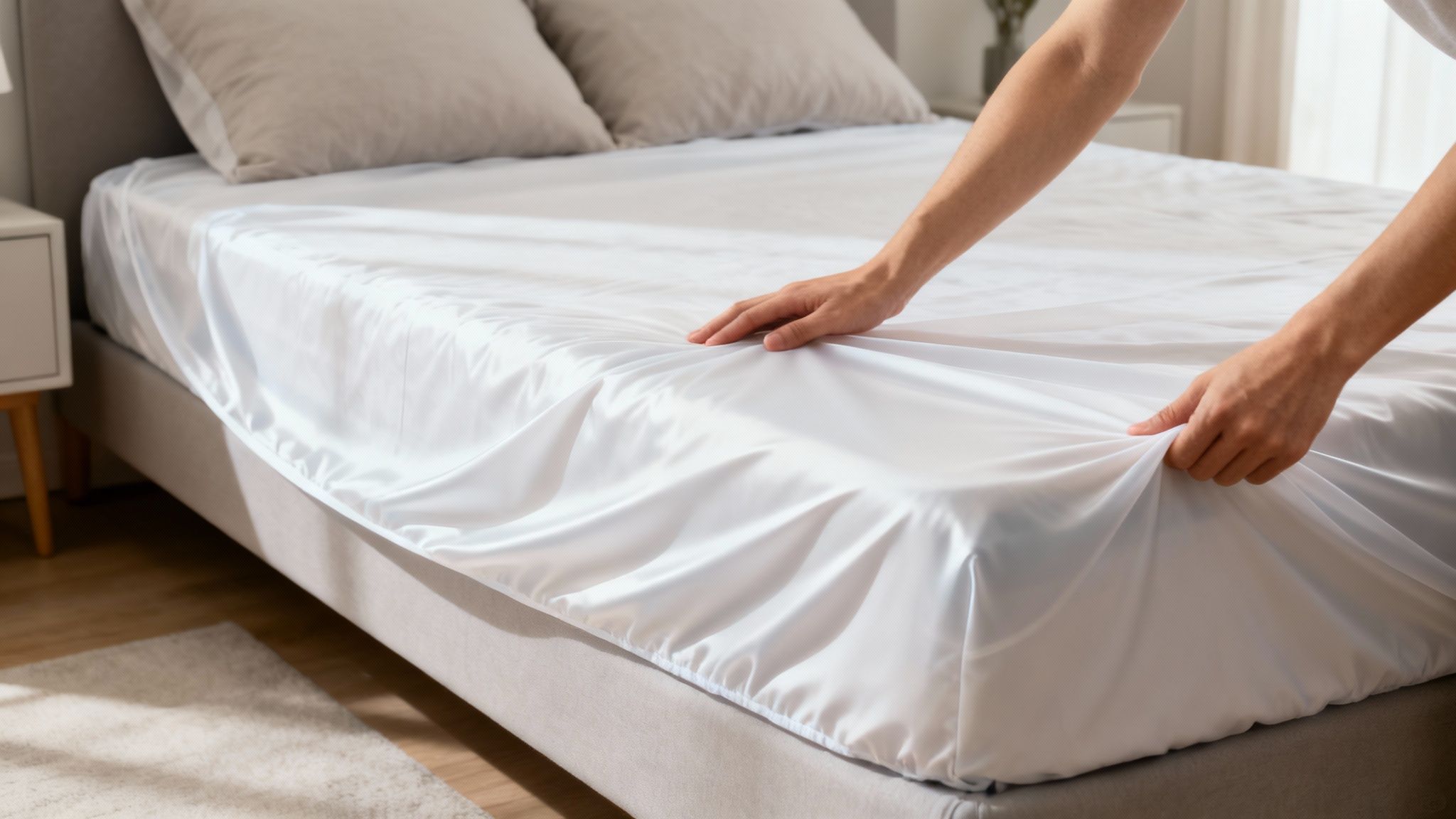
Honestly, this is a non-negotiable for keeping your mattress in top shape. You can explore the hidden benefits of a mattress protector to see just how much of a difference it makes. When accidents happen, you just strip off the protector and toss it in the wash, leaving your mattress completely unscathed. It’s that simple.
Adopt a Regular Cleaning Routine
Beyond the protector, a consistent cleaning schedule makes a massive difference in keeping your bed a healthy place to sleep. It doesn't have to be complicated, but it does need to be regular.
- Vacuum Monthly: Grab your vacuum’s upholstery attachment and give the entire mattress a once-over every month. This quick job pulls out dust, dead skin cells, and other allergens before they can build up and work their way in.
- Rotate Every Few Months: Spin your mattress 180 degrees every three to six months. This simple trick ensures it wears evenly and prevents those annoying body impressions from forming, which helps it stay supportive for longer.
This small bit of upkeep dramatically reduces the odds of you facing tough, set-in stains down the line.
The reality is that mattresses collect a shocking amount of gunk. The average person sweats about half a pint each night, which means a mattress can absorb around 26 gallons of sweat per year. This growing awareness is why the residential segment now accounts for 70% of Australia's booming mattress cleaning market—people are finally realising just how essential regular maintenance is for hygiene.
By combining a waterproof protector with a monthly vacuuming habit, you shift from a reactive cleaning mindset to a proactive one. This approach not only keeps your mattress looking and feeling fresh but also contributes to better indoor air quality and a healthier night's sleep.
So, When Should You Call in a Professional Cleaner?
While DIY methods are fantastic for tackling fresh spills and minor marks, some situations are just too big for household remedies. Knowing when to wave the white flag and call in a pro isn't a sign of defeat; it's a smart decision to protect your mattress and your health. Trying to fix a major issue yourself can sometimes make things worse.
If you’re staring down a stain that’s been there for months or even years, household solutions probably won’t cut it. Old, deeply set-in stains often require specialised solvents and equipment that professionals have ready to go.
Likewise, significant water damage from a leak or flood is a job for the experts. They have the right tools to extract deep-seated moisture and prevent dangerous mould growth from taking hold.
Other clear signs it's time for backup include potential pest infestations (like bed bugs or dust mites) or persistent, overwhelming odours that even bicarb soda can't touch.
The Professional Advantage
So, what do the professionals bring to the table that you can't replicate at home? It really comes down to their specialised gear and hard-won expertise.
- Commercial-Grade Steam Cleaners: These machines are leagues more powerful than any rental unit. They use high-pressure, high-temperature steam to penetrate deep into mattress fibres, killing off bacteria, allergens, and dust mites while dissolving stubborn grime.
- Advanced Stain Removal Agents: Technicians have a whole arsenal of professional-grade chemical treatments. Each one is designed to break down specific types of stains—from stubborn biological marks to dark tannin stains from coffee—without damaging the mattress fabric.
- UV-C Sanitation Wands: For a truly deep sanitisation, many services now use UV-C light wands. This technology is brilliant because it neutralises bacteria, viruses, and mould spores on a microscopic level, offering a level of hygiene that cleaning solutions alone just can't achieve.
When your mattress is looking worse for wear and your DIY efforts have hit a wall, hiring a professional is a worthwhile investment. It’s not just about restoring your mattress; it’s about ensuring a healthier sleeping environment for you and your family.
Understanding the Cost
Investing in professional cleaning is often more affordable than you might think, especially when you weigh it against the cost of a new mattress.
The price of professional mattress cleaning in Australia varies depending on the size of your mattress and the specific service you need. But to give you a clearer picture, we've put together a table with the typical costs for different methods.
Average Cost of Professional Mattress Cleaning Services in Australia
| Cleaning Method | Average Price Range (AUD) |
|---|---|
| Steam Cleaning (Hot Water Extraction) | $80 – $150 |
| Dry Cleaning (Low-Moisture) | $90 – $170 |
| Deep Cleaning with Stain Treatment | $120 – $200+ |
| UV-C Sanitation | $100 – $180 |
| Bed Bug Treatment (Heat or Chemical) | $250 – $450+ |
This honest advice helps you make an informed decision when it's time to protect your mattress. Methods like steam cleaning, which use hot water to effectively remove dust mites and allergens, typically cost between $80 and $150, making it a great value option for regular maintenance. For more details on specific services and what to expect, you can find more information about mattress cleaning costs in Melbourne.
Common Questions We Get About Mattress Stain Removal
Even after you've wrestled a stain into submission, a few nagging questions can linger. It's one thing to handle a spill in the heat of the moment, but another to feel confident about keeping your mattress in top shape long-term. Let's tackle some of the most common queries we hear to clear up any confusion.
Getting these details right is what separates a quick fix from a truly clean and hygienic bed. Think of this as your go-to guide for maintaining that fresh-sheet feeling all year round.
How Often Should I Really Deep Clean My Mattress?
This is a question we hear all the time, and honestly, there's no single right answer—it really depends on your lifestyle. As a general rule of thumb, a good deep clean (vacuuming, deodorising, and spot-treating minor marks) every six months is a solid routine. This helps keep the inevitable build-up of dust mites, sweat, and dead skin cells under control.
However, some situations call for a more frequent schedule:
- Allergy Sufferers: If you're sensitive to dust or have asthma, cleaning your mattress quarterly can make a world of difference to your sleep quality by reducing irritants.
- Pet Owners: Furry friends on the bed? A clean every three months is a smart move to manage dander, hair, and the odd muddy paw print.
- Accidents Happen: Of course, any major spill or accident needs to be dealt with straight away, no matter when your next scheduled clean is.
Is Hydrogen Peroxide Safe for All Mattresses?
Hydrogen peroxide is a superstar for tackling tough biological stains like blood, but it comes with a big warning label. It's a mild bleach, meaning it has the power to lighten or discolour fabrics. It can also be a bit too harsh for delicate materials like memory foam or latex, potentially causing them to break down over time.
Before you even think about pouring hydrogen peroxide on a stain, always do a spot test. Dab a tiny amount on a hidden area—like the side of the mattress that faces the wall—and let it dry completely. If you notice any colour change, it’s a no-go for that mattress.
What if a Musty Smell Lingers After Cleaning?
So you’ve cleaned the stain and dried the spot, but a faint, musty smell is hanging around. This usually means moisture has seeped deeper into the mattress fibres than you realised, creating the perfect breeding ground for mildew.
Don't panic—it's often fixable. Your first move should be to re-apply a very generous layer of baking soda over the entire mattress surface. This time, let it sit for a full 24 hours to give it the best possible chance of soaking up every last bit of moisture and odour.
If the smell is still there after you’ve vacuumed it all up, that’s a red flag. It signals that the moisture problem is too deep for any surface treatment to solve. At this point, calling a professional is your safest bet to stop mould from taking root.
Dealing with stubborn stains or persistent odours can be incredibly frustrating. If you've tried everything and you’re still not happy with the result, it's time to call in the experts. The team at Right Price Carpet Cleaning uses powerful, truck-mounted steam cleaning equipment to deliver a deep, hygienic clean that DIY methods simply can't match. For a truly fresh mattress and a healthier night's sleep in Melbourne, get an instant quote and book your service online.
Recent Comments