



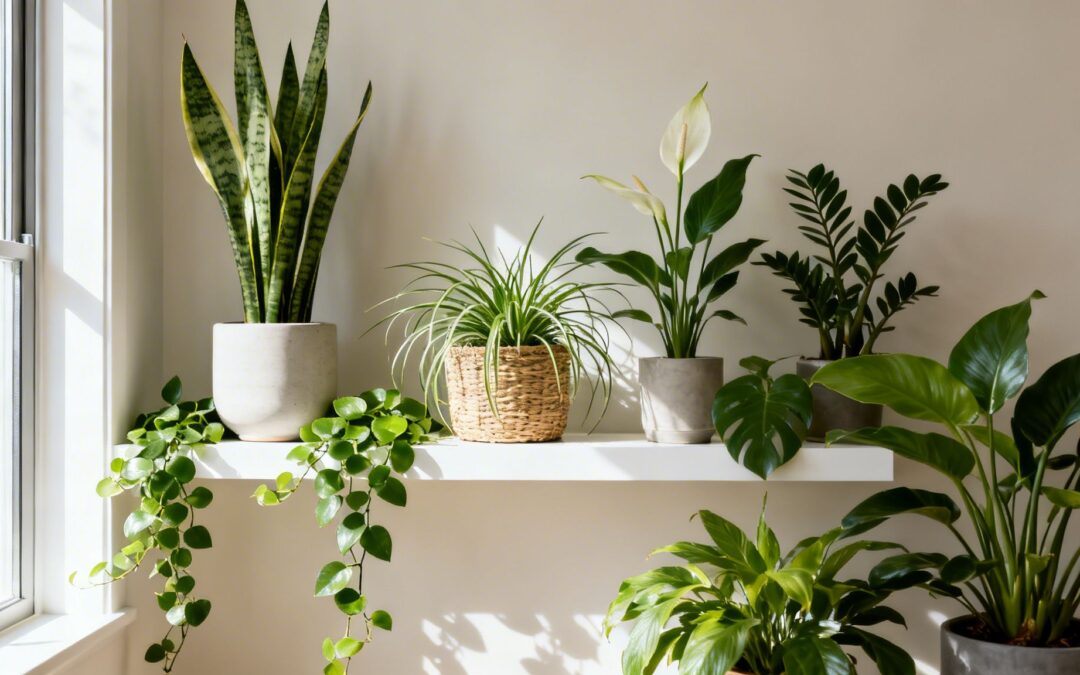
In bustling Melbourne, our homes and offices are our sanctuaries. But what if the air inside isn't as clean as we think? Common household items, from furniture to carpets, can release volatile organic compounds (VOCs) like formaldehyde and benzene, impacting our health and wellbeing. While professional services like deep carpet cleaning are crucial for removing embedded allergens and pollutants, a long-term, sustainable solution lies in nature itself.
This guide unveils the best indoor plants for clean air, specifically selected for their proven purifying abilities and their suitability for Melbourne's varied indoor environments. We will move beyond generic advice to provide a fresh, evidence-based look at how these green powerhouses actively improve your surroundings. For a deeper understanding of species particularly effective in improving indoor air quality, explore more about the best plants for air purification.
You'll receive specific, actionable tips on care, ideal placement in your home or office, and pet-safety flags for each plant. Our focus is on practical details that help you cultivate a healthier indoor ecosystem, turning every room into a breath of fresh air. Get ready to create a genuine sanctuary, one plant at a time.
1. Spider Plant (Chlorophytum comosum)
The Spider Plant is a celebrated champion among the best indoor plants for clean air, renowned for its resilience and powerful filtering capabilities. Identified in the original NASA Clean Air Study, this plant is exceptionally effective at removing formaldehyde and xylene from your home's atmosphere. These common volatile organic compounds (VOCs) are often off-gassed from furniture, adhesives, and building materials.
For Melbourne homeowners, the Spider Plant's hardy nature makes it a perfect fit for busy lifestyles and fluctuating indoor conditions. Its arching leaves and cascading plantlets, or "spiderettes," add a dynamic visual element to any room. It is a non-toxic option, making it a safe choice for households with curious pets or small children.
Care and Placement Tips
To get the most from your Spider Plant, follow these simple guidelines:
- Light: Position it in a spot with bright, indirect sunlight. A north or east-facing window in a Melbourne apartment is ideal. Direct sun can scorch the leaves.
- Watering: Water thoroughly when the top 2-3 centimetres of soil feel dry. This usually means weekly during summer and less often in winter.
- Air Quality Synergy: Pair your plant with regular professional cleaning. While the Spider Plant filters airborne toxins, maintaining clean carpets reduces the source of pollutants. This combination creates a much healthier indoor environment, especially when you learn how to control dust in your home.
- Propagation: The plantlets that dangle from the mother plant are easy to propagate. Simply snip one off and place it in a jar of water until roots form, then pot it in soil.
2. Peace Lily (Spathiphyllum wallisii)
The Peace Lily stands out as one of the best indoor plants for clean air, admired for its elegant white spathes and powerful air-purifying properties. Featured in NASA's Clean Air Study, it is exceptionally proficient at filtering several common household toxins, including ammonia, benzene, formaldehyde, and trichloroethylene. These pollutants often emanate from cleaning products, synthetic fabrics, and carpets, making the Peace Lily a beautiful and functional addition to any home.
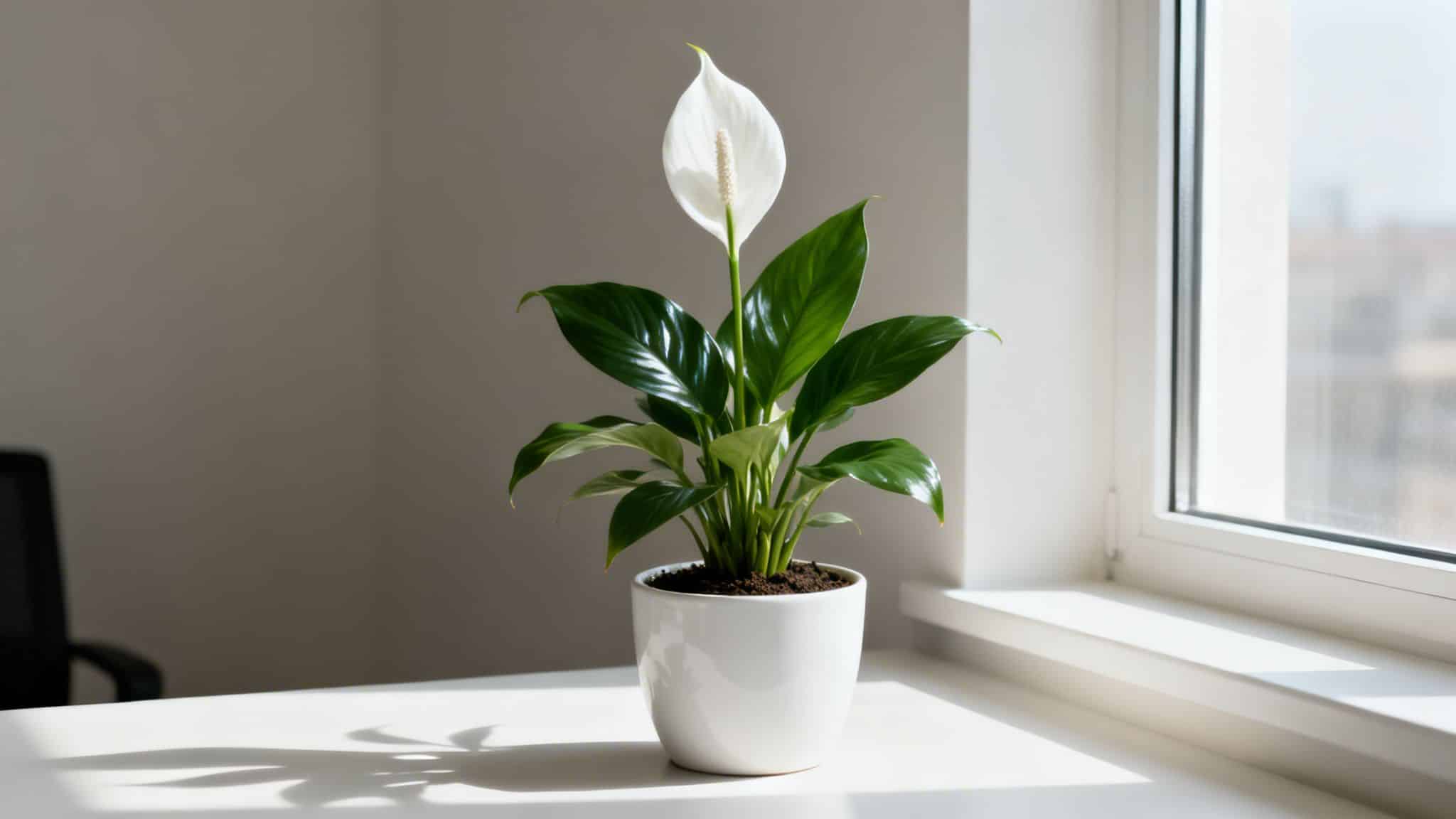
For Melbourne residents, the Peace Lily's ability to flourish in lower light conditions makes it an excellent choice for interior rooms or apartments with limited sun exposure. Its graceful appearance brings a sense of calm to corporate offices and healthcare settings alike. It is important to note, however, that the Peace Lily is toxic if ingested, so it should be placed out of reach of pets and small children.
Care and Placement Tips
To help your Peace Lily thrive and maximise its air-cleaning benefits, consider these guidelines:
- Light: Place it in a spot that receives medium to low indirect light. An east-facing window or a well-lit interior room is perfect for Melbourne homes. Keep it out of direct sunlight, which can burn its leaves.
- Watering: Water thoroughly when the top inch of soil is dry. Peace Lilies will noticeably droop when thirsty, providing a clear visual cue. They prefer consistency, so avoid letting the soil dry out completely.
- Air Quality Synergy: Pair your plant with a deep cleaning routine. The Peace Lily tackles airborne toxins while professional carpet cleaning removes pollutants trapped deep within fibres. Learning about the best carpet cleaning for allergies can amplify this effect, creating a healthier living space.
- Humidity: These plants love humidity. Group them with other plants or place the pot on a tray of pebbles and water to create a more humid microclimate. Wiping the leaves with a damp cloth monthly also removes dust and helps the plant breathe.
3. Boston Fern (Nephrolepis exaltata)
The Boston Fern is a lush, vibrant addition to any list of the best indoor plants for clean air, admired for its feathery fronds and impressive air-purifying skills. It is highly effective at removing formaldehyde and xylene, toxins commonly found in carpets, glues, and upholstery. Beyond filtering VOCs, this plant is a natural humidifier, releasing moisture into the atmosphere.
For Melbourne homes, where indoor heating and air conditioning often create dry environments, the Boston Fern’s ability to add moisture is a significant benefit. Its classic, elegant appearance is a common sight in Victorian-era properties and modern apartments alike, adding a touch of natural beauty while actively cleaning the air. It is non-toxic to cats and dogs, making it a safe and functional choice for pet owners.
Care and Placement Tips
To help your Boston Fern flourish and maximise its air-purifying benefits, consider these tips:
- Light: Provide it with bright, indirect light. A bathroom or kitchen with a frosted window is an excellent spot, as direct sunlight can scorch its delicate fronds.
- Watering: Keep the soil consistently moist but not waterlogged. Water thoroughly when the surface feels slightly dry, and ensure the pot has good drainage to prevent root rot.
- Air Quality Synergy: The fern's humidity-loving nature helps combat the dry conditions that can encourage mould spores. If you've had issues with dampness, it’s also wise to understand how to remove mould from carpet to fully restore your home's air quality.
- Humidity: Mist the fronds daily or place the pot on a pebble tray filled with water to maintain high humidity levels. Grouping it with other plants also helps create a more humid microclimate.
4. Pothos/Devil's Ivy (Epipremnum aureum)
Pothos, often called Devil's Ivy, is a near-indestructible vine that stands out as one of the best indoor plants for clean air. Its reputation for hardiness is matched by its efficiency in removing common indoor toxins like formaldehyde, benzene, and xylene. The cascading foliage grows quickly, making it a fantastic air purifier for Melbourne homes and offices where rapid results and low maintenance are valued.
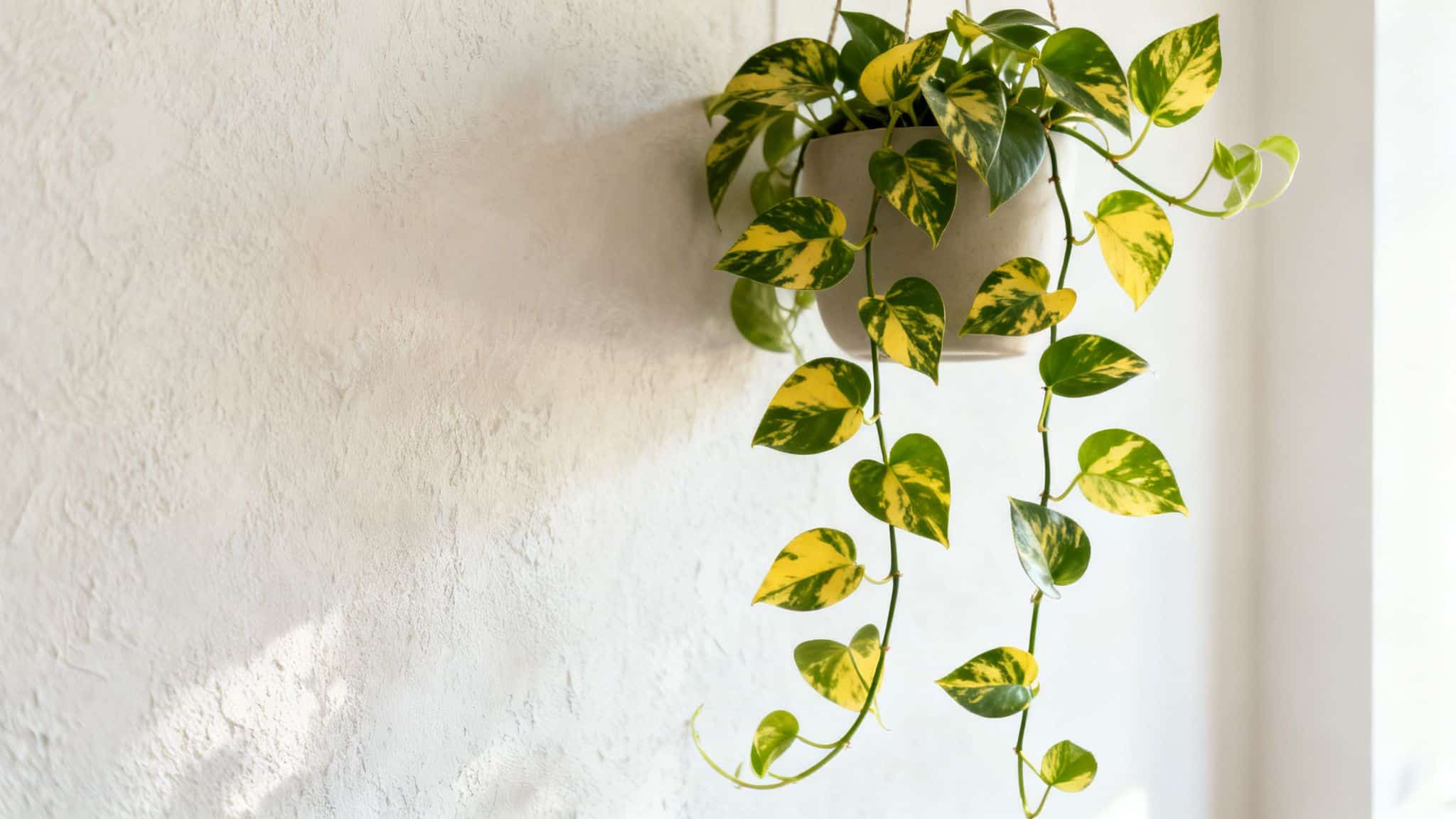
Its versatility makes it a favourite in Melbourne corporate offices, rental properties, and even hospitality venues, where it adds a touch of green while improving air quality. It is important to note that Pothos is toxic if ingested, so it should be placed out of reach of pets and children. Its trailing nature makes it perfect for high shelves or hanging baskets.
Care and Placement Tips
To help your Pothos thrive and maximise its air-purifying power, consider these tips:
- Light: This plant is incredibly adaptable and thrives in anything from low to bright, indirect light. It's an excellent choice for rooms with less-than-ideal sun exposure.
- Watering: Allow the top 2-3 centimetres of soil to dry out between waterings. Pothos is drought-tolerant and prefers being slightly dry over being waterlogged.
- Growth: Pinch back the stems regularly to encourage a fuller, bushier appearance rather than long, sparse vines. You can train it to climb a trellis or let it trail beautifully from a bookshelf.
- Propagation: Pothos is famously easy to propagate. Simply snip a cutting below a node (where a leaf joins the stem) and place it in a glass of water. Roots will form in a few weeks, giving you new plants to share or place elsewhere in your home.
5. Snake Plant (Sansevieria trifasciata)
The Snake Plant, also known as Mother-in-Law's Tongue, stands out as one of the best indoor plants for clean air due to its incredible resilience and striking architectural form. It is highly effective at removing toxins like formaldehyde, benzene, xylene, and trichloroethylene. These pollutants are commonly found in paints, cleaning products, and synthetic fibres, making the Snake Plant a silent workhorse for improving your home's air quality.
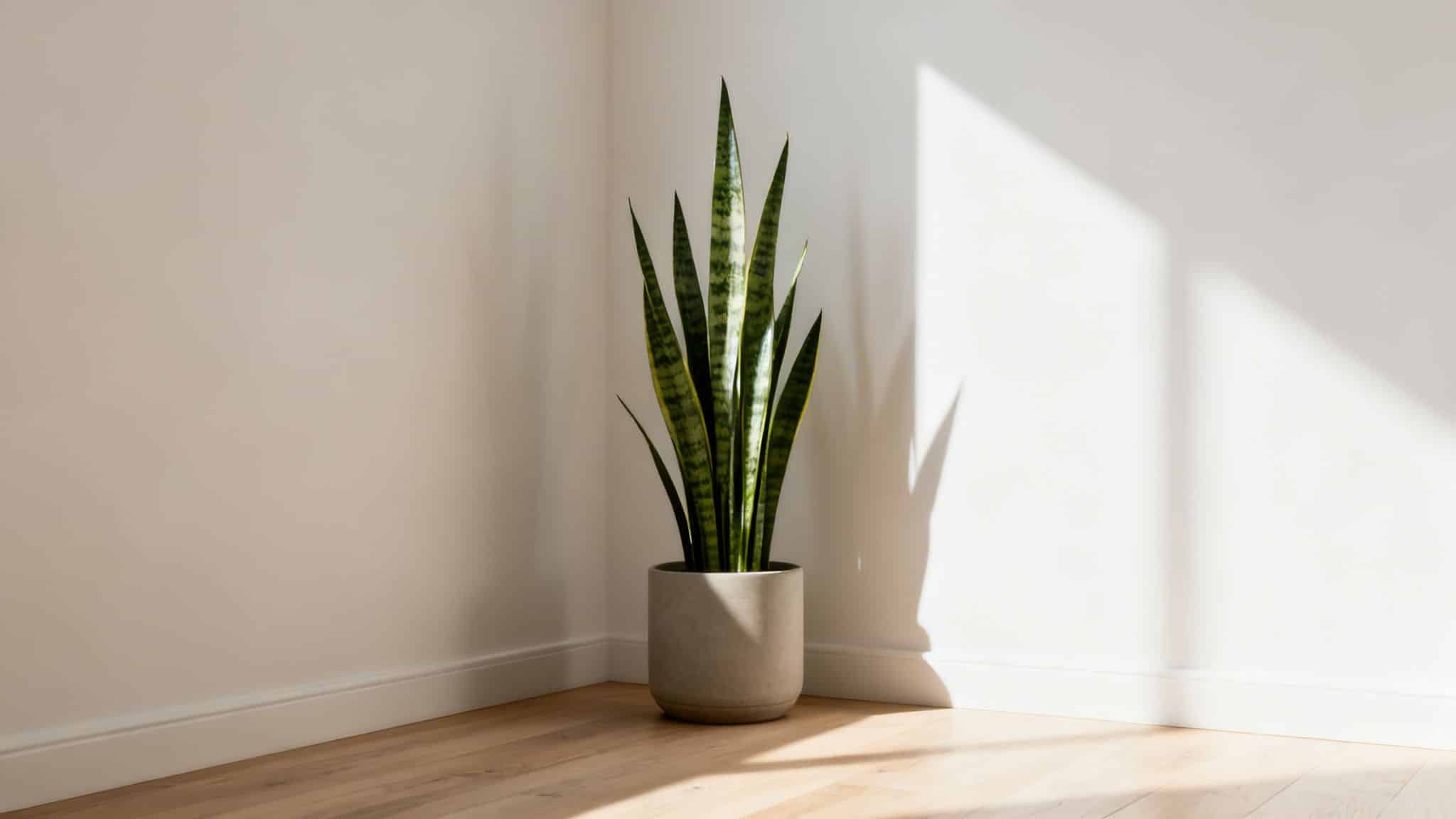
Its modern, upright leaves are a perfect complement to Melbourne's popular minimalist and Scandinavian-style interiors. Because it is exceptionally low-maintenance and tolerant of neglect, the Snake Plant is a favourite for busy households, commercial offices, and even NDIS facilities where reliability is key. This plant works around the clock to purify the air, making it as functional as it is fashionable.
Care and Placement Tips
For a thriving Snake Plant that effectively cleans your air, consider these practical tips:
- Light: While it tolerates low light, it performs best in bright, indirect sunlight. A spot near a window that doesn't get harsh afternoon sun is perfect.
- Watering: This is crucial. Overwatering is the most common mistake. Allow the soil to dry out completely between waterings, which could be monthly or even less often in a Melbourne winter.
- Air Quality Synergy: The Snake Plant’s air-filtering ability is boosted when paired with professional upholstery cleaning. Furniture can trap dust and release VOCs, so keeping your upholstery clean reduces the overall pollutant load for your plant to manage.
- Soil and Placement: Use a well-draining cactus or succulent soil mix to prevent root rot. Its upright growth habit makes it ideal for tight corners, desktops, or shelves where other plants might not fit.
6. Rubber Plant (Ficus elastica)
The Rubber Plant is a striking and substantial addition to any list of the best indoor plants for clean air. Its large, glossy, deep-green leaves are not just for show; they are highly efficient at filtering airborne toxins, particularly formaldehyde. This makes it a powerful, natural air purifier that also serves as a bold design statement, frequently seen in contemporary Melbourne apartments and corporate offices aiming for both aesthetic impact and improved air quality.
For Melbourne homeowners looking to make a visual impact, the Rubber Plant's impressive size and architectural form are ideal. It's a moderately easy-to-care-for species that thrives indoors, contributing to a healthier environment by actively removing pollutants commonly found in furniture and cleaning products. Despite its robust appearance, it is toxic to pets and children if ingested, so it should be placed with care.
Care and Placement Tips
To ensure your Rubber Plant flourishes and maximises its air-purifying potential, follow these guidelines:
- Light: Position it in a room with plenty of bright, indirect light. A spot near an east-facing window is perfect, as direct afternoon sun can scorch its beautiful leaves.
- Watering: Water thoroughly when the top 2-3 centimetres of soil become dry, which is typically every one to two weeks. Reduce watering frequency during the cooler Melbourne winter.
- Air Quality Synergy: The plant's large leaves can accumulate dust, which reduces their ability to photosynthesise and purify the air. Wipe them gently with a soft, damp cloth every month to keep them clean and efficient.
- Maintenance: Rotate the plant every few months to ensure all sides receive adequate light for even growth. You can prune the top to maintain a desired height and encourage a fuller, bushier shape.
7. Dracaena (Dracaena marginata)
The Dracaena is a striking and elegant addition to any list of the best indoor plants for clean air. With its architectural form and vibrant foliage, this plant is a powerful air purifier, adept at removing toxins like formaldehyde, benzene, xylene, and trichloroethylene. These chemicals are common in indoor environments, originating from paints, solvents, and cleaning supplies.
Its versatility in size and colour makes the Dracaena a popular choice for Melbourne's diverse interiors, from modern corporate offices to cozy residential living rooms. It is a low-maintenance plant that grows steadily, offering continuous air-filtering benefits without demanding constant attention. However, it's important to note that Dracaena plants are toxic to cats and dogs if ingested, so they should be placed out of reach in households with pets.
Care and Placement Tips
To help your Dracaena thrive and maximise its air-purifying potential, consider these guidelines:
- Light: This plant is highly adaptable and can tolerate low to bright, indirect light. An ideal spot would be near a window with a sheer curtain to diffuse strong sunlight.
- Watering: Allow the top inch or two of soil to dry out completely before watering, typically every 10-14 days. To prevent brown leaf tips caused by fluoride in tap water, consider using filtered or distilled water.
- Air Quality Synergy: Enhance its natural filtering ability by wiping the leaves with a soft, damp cloth every few weeks. This removes dust, allowing the plant to "breathe" more effectively and absorb more airborne pollutants.
- Maintenance: If your Dracaena becomes too tall, you can prune the main stems. This encourages bushier, fuller growth, creating a more robust plant and increasing its surface area for air purification.
8. Chrysanthemum (Chrysanthemum morifolium)
While often celebrated for its vibrant, colourful blooms, the Chrysanthemum is also a potent contender among the best indoor plants for clean air. NASA's research highlighted its impressive ability to filter out common toxins like formaldehyde, benzene, and xylene. These pollutants frequently emanate from carpets, cleaning products, and plastics, making mums a powerful, albeit temporary, air-purifying solution.
For Melbourne homes and offices, Chrysanthemums offer a seasonal burst of colour and a significant air quality boost, particularly during the cooler months when they are popularly sold. Although they are shorter-lived than most foliage plants, their targeted effectiveness makes them an excellent choice for a temporary air quality improvement, such as during property staging or for sprucing up a hospitality venue.
Care and Placement Tips
To maximise the air-cleaning benefits and blooming period of your Chrysanthemum, follow these tips:
- Light: Place your plant in a position that receives plenty of bright, indirect sunlight. A spot near a window is perfect for encouraging continuous blooming.
- Watering: Chrysanthemums are thirsty plants. Check the soil daily and water thoroughly to keep it consistently moist but never waterlogged.
- Air Quality Synergy: Pair the plant's natural filtering with professional carpet cleaning to tackle pollutants at their source. Chrysanthemums are particularly effective against toxins found in carpet fibres, creating a powerful combination for a healthier indoor space.
- Maintenance: Deadhead spent flowers regularly by pinching them off. This redirects the plant's energy into producing new blooms, extending its decorative life. For ongoing purification, plan to replace the plant seasonally.
9. Bamboo Palm (Chamaedorea seifrizii)
The Bamboo Palm is a standout choice among the best indoor plants for clean air, bringing a lush, tropical feeling to any interior space. It is particularly skilled at filtering out formaldehyde, benzene, and xylene, toxins commonly found in furniture, paints, and cleaning products. As a natural humidifier, it also helps to add moisture to the dry indoor air often experienced in Melbourne homes during winter.
For those wanting to create a relaxing, holiday-like atmosphere, the Bamboo Palm is an excellent addition. Its graceful, feathery fronds add a touch of elegance and are often seen enhancing the ambiance in Melbourne's hospitality venues and modern office spaces. It is also non-toxic to pets and children, making it a safe and practical option for family homes and even NDIS facilities seeking to improve air quality without risk.
Care and Placement Tips
To ensure your Bamboo Palm thrives and effectively purifies your air, follow these care guidelines:
- Light: Place it in a location with bright, indirect light. An east or west-facing window is ideal, as direct sunlight can scorch its delicate leaves.
- Watering: Keep the soil consistently moist but not waterlogged. Water thoroughly when the top inch of soil feels dry to the touch.
- Air Quality Synergy: Boost your palm's air-filtering power by wiping its leaves with a soft, damp cloth occasionally. This removes dust buildup, allowing the plant to absorb airborne toxins more efficiently. This simple step, combined with professional carpet cleaning to remove ground-in pollutants, creates a healthier home environment.
- Humidity: Bamboo Palms love humidity. Mist the leaves a few times a week or group them with other plants to create a more humid microclimate. This is especially beneficial in heated or air-conditioned rooms.
10. Gerbera Daisy (Gerbera jamesonii)
The Gerbera Daisy brings a vibrant burst of colour to the list of the best indoor plants for clean air, proving that powerful air purification can also be beautiful. These cheerful flowers are more than just a pretty face; they are workhorses when it comes to filtering harmful toxins. Gerberas are especially proficient at removing trichloroethylene and benzene, chemicals often introduced into homes through synthetic fibres and paints.
For Melbourne homes and offices, Gerbera Daisies offer a dual benefit, serving as both a stunning decorative element and a functional air purifier. Their bright blooms can lift spirits during grey winter days, while their leaves work to improve indoor air quality. As they are non-toxic, they are a safe and colourful addition for spaces shared with pets and children.
Care and Placement Tips
To help your Gerbera Daisy flourish and purify effectively, follow these guidelines:
- Light: These plants thrive in bright light. A spot near a sunny window where they can receive at least six hours of sunlight is perfect. A west-facing window in a Melbourne home is a good choice.
- Watering: Water at the soil level, being careful to avoid wetting the foliage and crown, as this can lead to fungal diseases like powdery mildew. Let the soil dry slightly between waterings.
- Air Quality Synergy: Gerberas are particularly effective at night, releasing oxygen and continuing their purification work while you sleep. Place one in your bedroom to improve overnight air quality. To maximise their effect, ensure your home has good ventilation to reduce toxin build-up.
- Maintenance: Deadhead spent flowers promptly by snipping the stalk at its base. This encourages the plant to produce more blooms, extending its visual appeal and air-filtering lifespan. Due to their specific needs, many people treat them as long-lasting annuals, replacing them seasonally.
Top 10 Indoor Air-Purifying Plants Comparison
| Plant | 🔄 Maintenance Complexity | ⚡ Resource Requirements | ⭐ Expected Effectiveness (📊) | 💡 Ideal Use Cases | ⭐ Key Advantages |
|---|---|---|---|---|---|
| Spider Plant (Chlorophytum comosum) | Very low: hardy; occasional pruning | Low: weekly water; bright indirect light; small footprint | ⭐ 95% 📊 High (formaldehyde, xylene, CO) | Busy homes/offices; desktops; post-carpet-cleaning spaces | ⭐ Pet-safe; very easy propagation; cost-effective |
| Peace Lily (Spathiphyllum wallisii) | Medium: prefers consistent moisture | Moderate: 2–3×/week watering; high humidity preferred; low light OK | ⭐ 90% 📊 Strong (ammonia, benzene, formaldehyde, TCE) | Low-light offices, bedrooms, healthcare settings | ⭐ Low-light tolerant; floral display; signals thirst |
| Boston Fern (Nephrolepis exaltata) | High: needs frequent misting and attention | High: daily misting; consistently moist soil; high humidity | ⭐ 85% 📊 Good (formaldehyde, xylene) | Bathrooms, kitchens, humid zones; humidity boost after cleaning | ⭐ Excellent humidity generator; attractive fronds |
| Pothos / Devil's Ivy (Epipremnum aureum) | Very low: tolerant of neglect; prune occasionally | Low: weekly water; tolerates low to bright indirect light | ⭐ 85% 📊 Good (formaldehyde, benzene, xylene) | Hanging baskets, shelves, rental properties, offices | ⭐ Rapid growth; easy propagation; versatile placement |
| Snake Plant (Sansevieria trifasciata) | Very low: drought-tolerant; monthly watering | Very low: infrequent water; tolerates low light; well-draining soil | ⭐ 80% 📊 Consistent (multiple toxins; night O2) | Bedrooms, neglected corners, low-maintenance offices | ⭐ Extremely low-care; produces oxygen at night; hardy |
| Rubber Plant (Ficus elastica) | Medium: benefits from regular leaf cleaning | Moderate: bright indirect light; 1–2 week watering; needs space | ⭐ 80% 📊 Solid (formaldehyde, general toxins) | Living rooms, entryways, statement pieces in offices | ⭐ Large leaf area; sculptural appearance; long-lived |
| Dracaena (Dracaena marginata) | Low–Medium: slow growth; occasional pruning | Moderate: 10–14 day watering; low–bright indirect light; filtered water | ⭐ 85% 📊 Good (formaldehyde, benzene, xylene, TCE) | Corporate offices, corridors, long-term indoor placement | ⭐ Removes multiple toxins; adaptable varieties; pest-resistant |
| Chrysanthemum (Chrysanthemum morifolium) | High: seasonal care; regular deadheading | High: daily watering; bright light (6+ hrs); cooler temps | ⭐ 90% 📊 High for target toxins (formaldehyde, benzene, xylene) | Seasonal desks/tables; temporary boosts in offices/hospitality | ⭐ Vibrant blooms; strong targeted toxin removal; decorative |
| Bamboo Palm (Chamaedorea seifrizii) | Medium–High: consistent moisture and space | High: every 3–4 days watering; bright indirect light; high humidity; large footprint | ⭐ 85% 📊 Good (formaldehyde, benzene, xylene) | Large offices, hospitality, NDIS/healthcare facilities | ⭐ Humidity generator; pet-safe; tropical aesthetic |
| Gerbera Daisy (Gerbera jamesonii) | High: seasonal; needs frequent care and circulation | High: bright light (6+ hrs); consistent moisture; good air flow | ⭐ 95% 📊 Very high (especially nighttime purification) | Bedside tables, desks, seasonal displays in healthcare | ⭐ Striking blooms; excellent night-time air filtering; pet-safe |
Cultivating Your Clean Air Strategy: Beyond the Potting Soil
As we’ve explored, integrating plants like the resilient Snake Plant or the elegant Peace Lily into your Melbourne home is a brilliant and beautiful first step toward fresher air. You are now equipped with the knowledge to select, place, and care for some of the best indoor plants for clean air, turning your living space into a greener, more vibrant sanctuary. From the pet-safe Spider Plant capturing airborne particles in the family room to the humidity-loving Boston Fern thriving in your bathroom, each plant serves as a small, living air filter.
The real power, however, lies in creating a holistic clean air strategy. Think of your new green companions as one part of a larger ecosystem dedicated to your wellbeing. While they work tirelessly to absorb airborne toxins like formaldehyde and benzene, they can’t tackle the deep-seated pollutants lurking in your carpets, rugs, and furniture.
Building a Complete Air Quality System
To truly purify your indoor environment, it’s vital to address pollutants at their source. Your plants act as the lungs of your home, but the carpets and upholstery are like sponges, trapping dust mites, pet dander, chemical residues from cleaning products, and outdoor pollutants tracked in on shoes. This is where a multi-layered approach becomes essential.
- Source Control: Regularly steam cleaning your soft furnishings removes the reservoir of allergens and contaminants that plants cannot access. This deep-cleaning process extracts particulate matter that would otherwise be kicked back into the air with everyday movement.
- Natural Filtration: Your chosen plants, such as the hardy Pothos or the striking Rubber Plant, will then manage the ambient airborne VOCs and other gaseous pollutants that circulate throughout your home.
- Mechanical Assistance: For those with significant allergies or sensitivities, especially during Melbourne's high-pollen seasons, complementing your green army with technology can make a world of difference. Exploring the best air purifiers for allergies can provide that extra layer of filtration, capturing microscopic particles that even the most efficient plants might miss.
By combining these three elements, you create a powerful, synergistic system. Professional cleaning removes the built-up pollution, your plants maintain daily air quality, and a mechanical purifier can offer targeted support. This integrated approach ensures your Melbourne home isn't just decorated with nature; it's actively protected by it. You are not just adding plants; you are engineering a healthier living space from the ground up.
Ready to complete your clean air strategy? Combine the natural power of your new plants with the deep-cleaning expertise of Right Price Carpet Cleaning. We remove the ground-in dust and allergens from your carpets and upholstery, allowing your air-purifying plants to work more effectively. Visit Right Price Carpet Cleaning to book a service and create a truly fresh and healthy home environment.
Recent Comments