



The sunlight usually gives it away first.
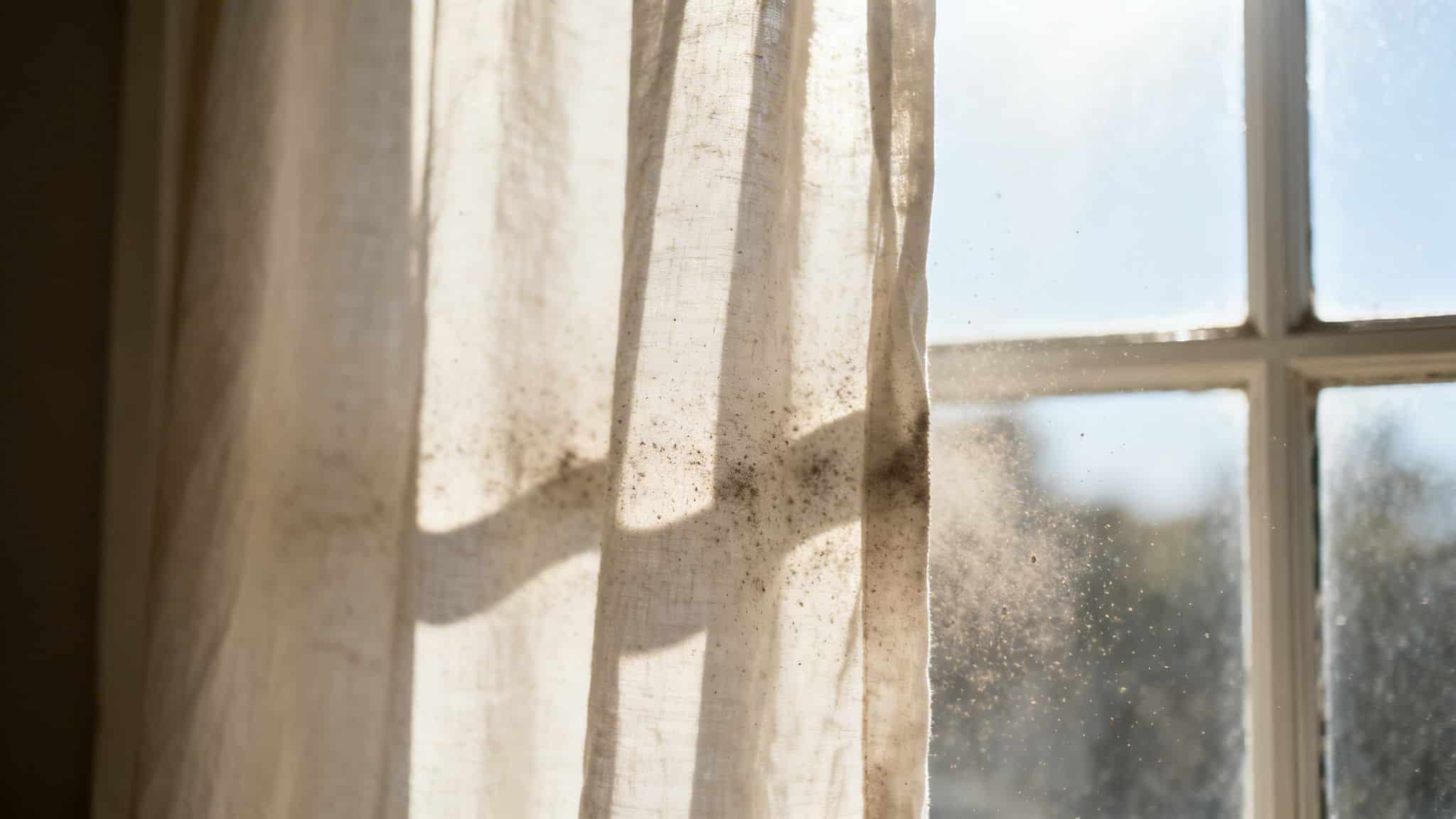
You open the curtains on a bright Melbourne morning and suddenly every fold looks flat, dusty, and a bit tired. The fabric may not seem filthy, but curtains collect airborne dust, cooking residue, stale smells, pet hair, and whatever drifts in from open windows. Because they hang there every day, people often stop noticing them until the room feels less fresh than it should.
That is where a steam cleaner for curtains can be a very smart tool. Used properly, it refreshes fabric in place, avoids the hassle of taking curtains down, and lifts a lot of the grime that makes a room feel dull. Used badly, it can leave water marks, shrink sheers, or set up the perfect conditions for musty odours. In Melbourne homes, that trade-off matters more than many generic guides admit.
Reviving Your Windows From Dull and Dusty
Curtains do not just frame a room. They act like soft filters.
Day after day, they catch fine dust, pollen, lint, and moisture in the air. In homes near busy roads, cooking-heavy kitchens, or bedrooms with windows cracked open overnight, that build-up happens faster than people expect. The result is familiar. Curtains start to look greyer near the hem, heavier in the pleats, and stale when you draw them closed at night.
What clients usually notice first
Some people call because the curtains look marked in the daylight. Others notice a faint smell. Many only connect the curtains to the problem when the room still feels dusty after they have vacuumed, wiped surfaces, and opened the windows.
That makes sense. Soft furnishings hold on to what hard surfaces do not.
In Victoria, the highest urban incidence of asthma and allergies in Australia sits at 22.5%, and household dust mites in soft furnishings are a primary trigger. The same source notes that steam cleaners can kill 99.99% of these microscopic pests, which is one reason curtain steaming can make a room feel cleaner, not just look cleaner (Goodway on steam cleaner history and cleaning performance).
Why steam works well on hanging curtains
Steam cleaning is useful because it tackles more than surface dust. The heat helps loosen embedded grime and refresh fibres without soaking the fabric the way a full wash can. For curtains that are dull, dusty, or carrying light odours, that is often the sweet spot.
It is also practical. You leave the curtains hanging, work section by section, and avoid removing hooks, tracks, and linings unless the fabric requires a different method.
Tip: If your curtains smell stuffy when you close the room up for the evening, they are usually overdue for more than a quick vacuum.
A good steam refresh can brighten the fabric, reduce stale odours, and make the room feel lighter. The key is choosing the right curtain for the method, then using the machine with a careful hand.
Preparation for a Safe and Effective Steam Clean
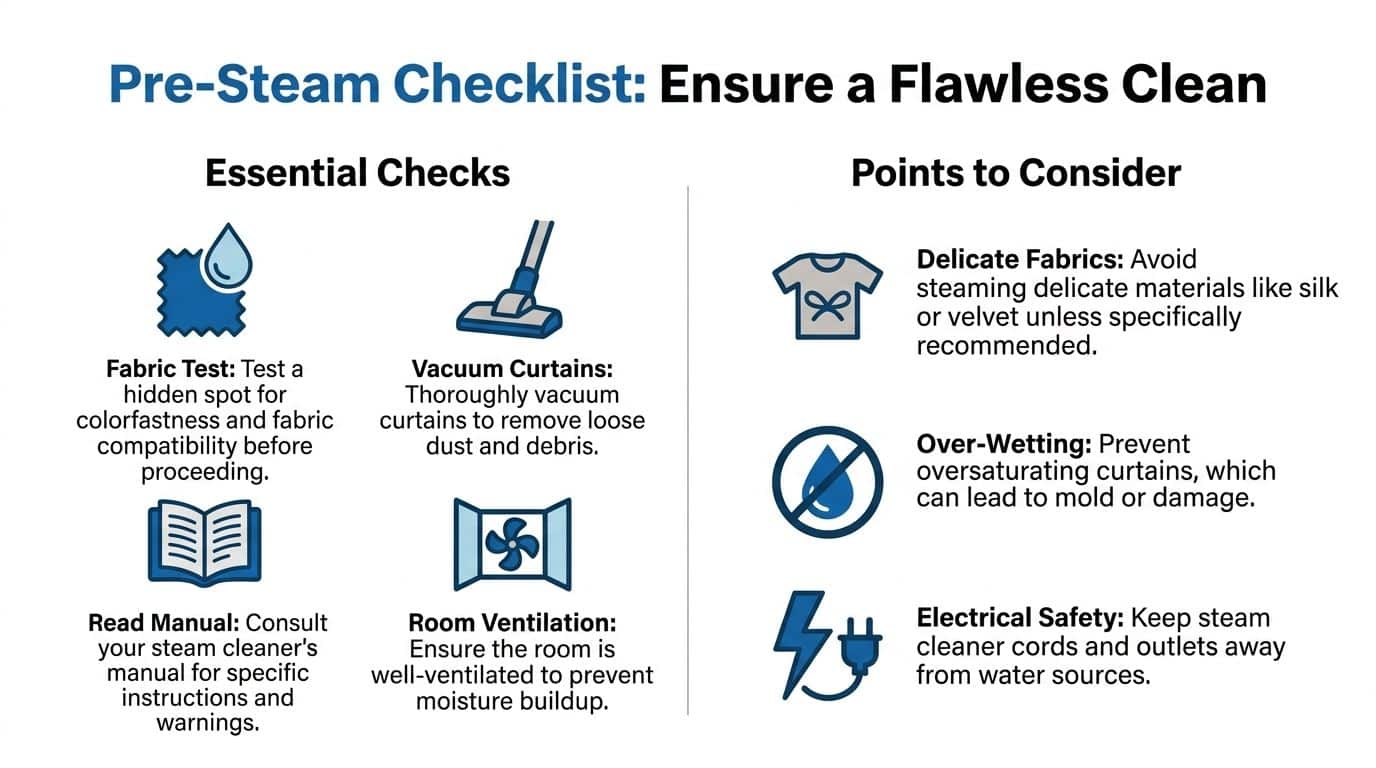
Most curtain damage happens before the first pass of steam. The problem is usually a bad assumption. People assume the fabric can handle heat, assume all steamers behave the same way, or assume a quick test is optional.
It is not optional.
Start with the machine, not the curtain
A handheld garment steamer can work for a light refresh, but it has limits. It is best for small areas, light creasing, and curtains that are already in decent condition.
A canister-style steam cleaner usually gives you better control for actual cleaning. The hose is easier to manoeuvre, the steam output is steadier, and the upholstery attachment spreads heat more evenly across the fabric.
Use this quick comparison before you begin:
| Option | Better for | Main limitation |
|---|---|---|
| Handheld garment steamer | Light freshening, smaller windows, wrinkle release | Can be uneven and easy to overwork in one spot |
| Canister steam cleaner | Full curtain panels, more consistent passes, better control | Bulkier to move around the room |
The fabric check matters most
Always read the care label first. If it says dry clean only, do not steam it at home.
If there is no label, treat the curtain as unknown until proven otherwise. Test a hidden area near the hem or back edge. Apply a short burst of steam from a safe distance, let it cool, then check for:
- Colour movement by blotting with a white cloth
- Texture change such as stiffness, flattening, or raised distortion
- Shrink response at seams or along the bottom edge
- Water spotting once the test patch dries
This stage often catches many Melbourne households. Polyester blends and sheers are common in rentals and newer homes, and they are not as forgiving as people think. According to a 2025 Australian Textiles Association report, 65% of curtain shrinkage complaints in Victoria stem from improper steaming, and common polyester blends can contract by up to 5% when exposed to steam temperatures over 100°C (Medeco Cleantec on curtain steaming risks).
Fabrics that deserve extra caution
Some materials should make you pause immediately.
- Silk: Heat can distort the finish and mark the surface.
- Velvet: The pile can crush or develop uneven texture.
- Sheers: Easy to overwet, easy to stretch, easy to shrink.
- Blackout-lined curtains: The face fabric and backing may react differently.
If the curtain has decorative trims, glued headings, or stitched-in lining with a different fibre content, be even more conservative.
Practical rule: If you cannot identify the fabric and the curtain is expensive, sentimental, or part of an end-of-lease clean, do not use guesswork as your method.
Prep the curtain itself
Before steaming, do four simple things:
- Vacuum the curtain front and back with a soft upholstery brush.
- Open windows or set up airflow so moisture does not linger.
- Move furniture back to give yourself a straight working line.
- Check any spotting products. If you need a mild pre-treatment on a mark, keep it fabric-safe and residue-free. For broader fibre-safe cleaning advice, this guide to a pH neutral cleaner is a useful reference point.
Preparation is boring compared with using the machine. It is also what stops a simple refresh from turning into a replacement job.
The Art of Steaming Curtains While They Hang
Good curtain steaming looks slow because it is slow.
The biggest DIY mistake is rushing, then hovering too close when the result does not appear instantly. That is how you get drips, shiny patches, and heat stress on the fabric. The aim is controlled heat, even passes, and as little moisture left behind as possible.
Set up the steamer properly
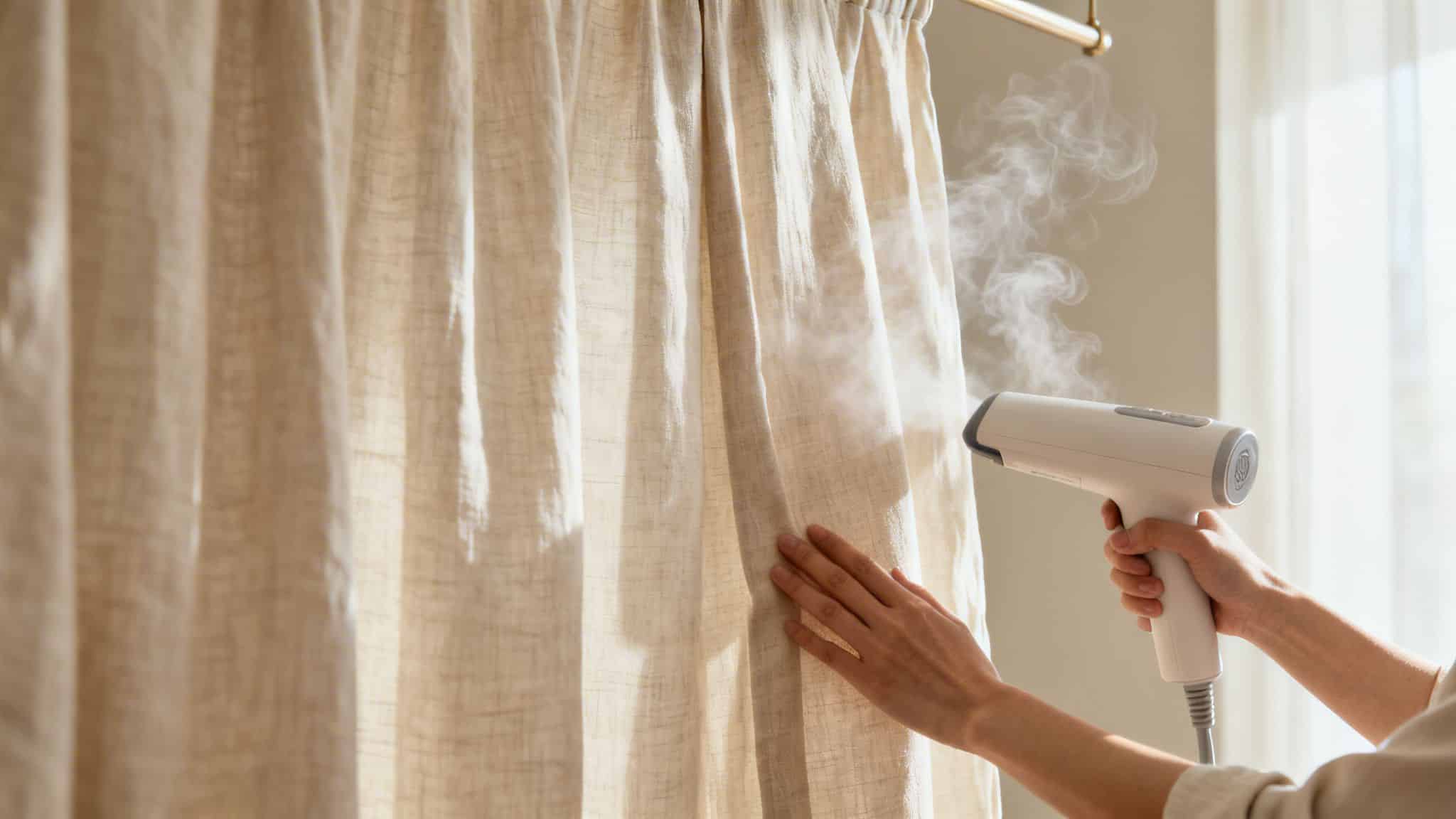
Fill the machine with clean water. Many technicians prefer distilled water because it reduces mineral build-up in the unit and lowers the chance of residue on lighter fabrics.
Choose the wide upholstery or fabric tool if your machine has one. Narrow nozzles dump steam into a tighter area, which makes it easier to overwet the curtain.
Let the unit reach full operating temperature before touching the fabric. Test the steam on a cloth first so any initial spit or condensation comes out away from the curtain.
Use the movement professionals use
Professional steam cleaners typically operate at around 95°C and 3.5 bar pressure, which is why technique matters so much with a domestic machine. The guidance attached to that benchmark is straightforward: use slow, even strokes from a safe distance so you can clean without oversaturating the fabric (Kungfu Helper on professional steam cleaning method).
That is the part to copy at home.
Here is the rhythm that works best:
- Start at the top. Steam rises and moisture moves down, so work with gravity.
- Hold the curtain lightly taut. Do not yank it. Just steady it.
- Keep the nozzle back from the fabric. You want heat across the surface, not a wet blast into one point.
- Move vertically in overlapping passes. Each pass should slightly cover the last.
- Pause only on thicker areas. Pleats and hems often need a touch more time.
What the right pass feels like
If you are doing it well, the curtain should feel warm and lightly damp, not wet. The fabric will relax a little, wrinkles will soften, and the colour often looks cleaner almost immediately.
If droplets form, you are too close or moving too slowly.
If nothing changes after several careful passes, the issue may not be removable with basic steaming alone. At that point, pushing harder usually makes the result worse.
Tip: Aim for consistency, not aggression. One measured pass over the full panel is safer than repeatedly attacking a single mark.
Handling pleats, hems, and linings
Curtains are rarely one flat sheet. The details are where technique slips.
Pleated headings
Work the front face first, then lightly open each pleat and steam into the fold without driving the nozzle inside it. Dust gathers there, but moisture can also get trapped there.
Bottom hems
Hems collect grime and often carry the most visible dullness. Give them a separate pass, but keep the nozzle moving. Heavy hems can hide retained moisture.
Lined curtains
Treat lined curtains as two materials, even when they look like one. The face fabric may tolerate steam better than the backing. If the lining reacts differently in the test patch, stop and reassess.
When to stop
A steam cleaner for curtains is great for maintenance and refresh work. It is not magic.
Stop the DIY job if you notice:
- Fabric puckering
- A wavy or lifted hem
- Colour transfer onto your cloth
- Persistent dampness after light passes
- Strong odours that intensify with heat
Those signs tell you the curtain may need a different cleaning method or stronger extraction than a home unit can manage. If you are comparing home effort with a deeper fabric clean on other soft furnishings, this guide on steam clean upholstery explains the same principle well: heat alone is only part of the result. Control and extraction matter just as much.
A simple flow to follow
For most washable synthetic or cotton-blend curtains, a safe home sequence looks like this:
- Vacuum first
- Test a hidden patch
- Steam top to bottom
- Recheck the hem and folds
- Allow full airflow while drying
- Vacuum lightly again once dry if loosened lint appears
That method is not flashy. It is how you avoid the classic DIY problems while still getting a visible refresh.
Post-Clean Care and Troubleshooting Common Issues
Turning the steamer off is not the end of the job. Drying decides whether the result stays fresh or turns musty by evening.
Curtains hold moisture in folds, seams, and hems. In Melbourne weather, especially after humid days or wet spells, that trapped damp can linger longer than people think.
Dry them properly the first time
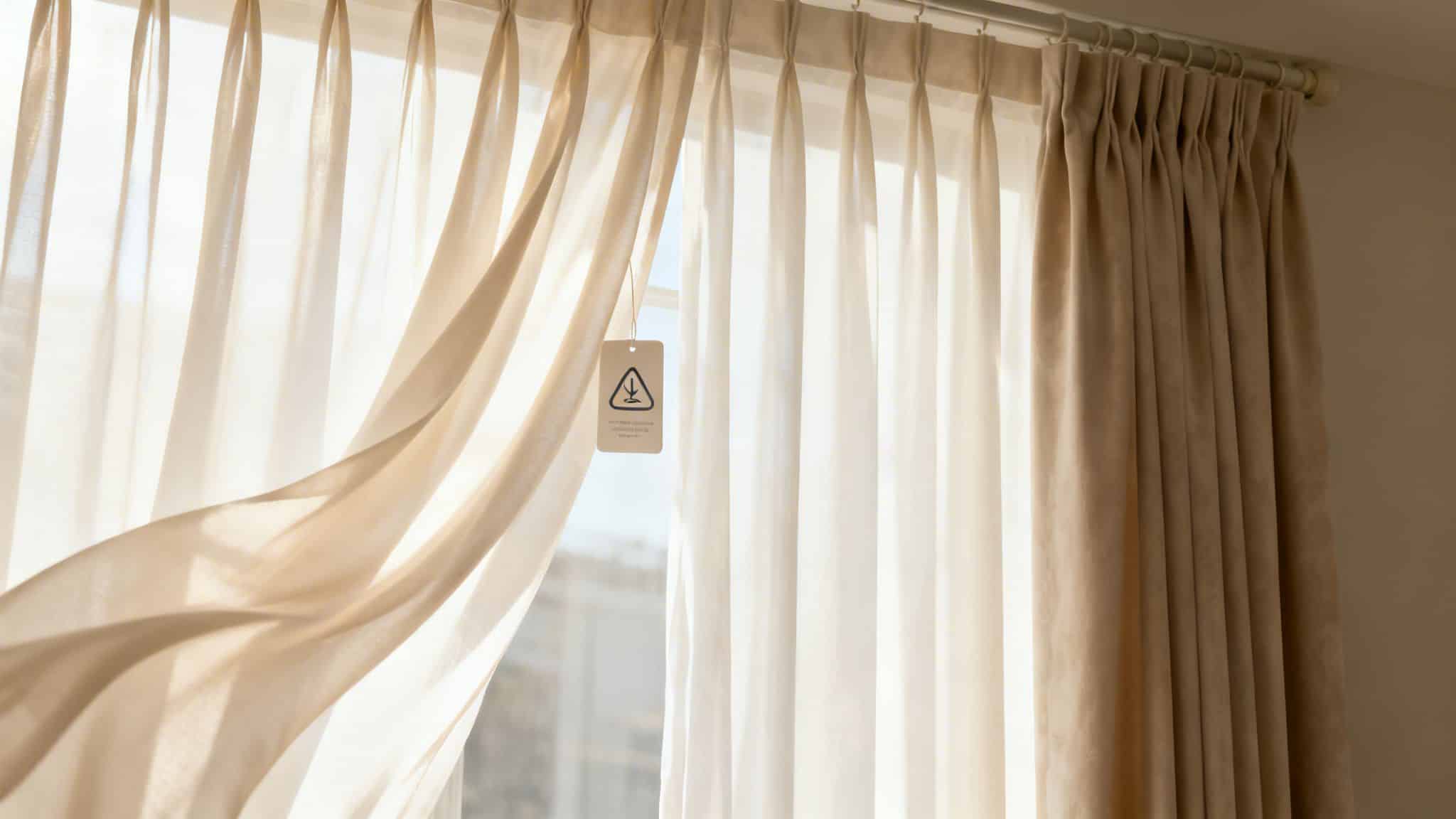
Leave the curtains extended so air can move around the full panel. Open windows if conditions allow it. If the day is still or humid, add fans to keep air circulating across the fabric rather than letting it sit in a closed room.
Do not bunch curtains together while damp. Do not close blackout layers tightly over a wet sheer. Both habits trap moisture exactly where you do not want it.
A careful finish looks like this:
- Curtains spread out: lets folds release moisture
- Windows open or fans on: supports airflow
- No touching until mostly dry: prevents fresh creases and hand marks
- Check the hem by hand: it often stays damp longest
Fixing the most common DIY problems
Some issues are minor and easy to correct.
Water streaks
Usually caused by condensation spitting from the nozzle or holding it too close. Let the curtain dry fully, then do one light, even pass over the whole affected area rather than spot-chasing the streak.
Stubborn wrinkles
These often sit in hems or where the curtain has been tied back for a long time. A second controlled pass can help, but only after the fabric has dried from the first round.
Faint spots still visible
If a mark remains after steaming, it may be oil-based, old, or chemically set. More steam is not always the answer. A targeted fabric-safe treatment may be needed, or the curtain may require professional cleaning.
Tip: Never keep steaming one small stain until it is soaked. That is how a light cosmetic issue turns into a water ring.
The mould question that matters in Melbourne
After a wet season, this is the question people ask most. Can steam kill mould on curtains?
Sometimes it can help, but the limit of DIY matters. Melbourne’s increasingly wet summers saw a 40% rise in household mould reports, and effective mould spore neutralisation on textiles requires a steam dwell time of over 120 seconds at 70°C+, which DIY handhelds often fail to meet (Vapamore on curtain disinfecting and mould limits).
That means a quick once-over with a small home unit may do very little to embedded mould. In some cases, it can even disturb spores without removing the contamination properly, especially if drying is slow.
Know the difference between surface mustiness and active mould
A curtain that smells stale after being closed up may need cleaning and airflow.
A curtain with visible spotting, recurring odour after drying, nearby window condensation issues, or signs of water intrusion should be treated more seriously. If mould is embedded, steaming alone is not enough. You need proper extraction, full drying control, and often a broader look at the room conditions that caused the growth.
The safest habit is simple. If the curtain has visible mould or the smell returns quickly, stop treating it as a basic refresh job.
When to Call the Professionals at Right Price Carpet Cleaning
Some curtain jobs are suitable for careful DIY work. Others are not worth the gamble.
The dividing line is usually risk. If the curtain is replaceable, clearly steam-safe, and only lightly dusty, a home refresh can be reasonable. If the fabric is delicate, the staining is heavy, or the result matters for a bond inspection, professional cleaning is the safer call.
Situations where DIY stops making sense
Certain red flags should push you away from a handheld unit.
- Dry clean only labels: Do not try to outsmart the label.
- Silk, velvet, or specialty weaves: These can mark, flatten, or distort.
- Heavy smoke, pet odour, or greasy build-up: Heat alone will not reliably solve it.
- Water damage or mould signs: These need proper extraction and controlled drying.
- End-of-lease pressure: If the outcome affects your bond, avoid guesswork.
If you are unsure what method fits your curtains, this practical guide on how to clean curtain lays out the broader options clearly.
What professional equipment changes
The main difference is not just hotter steam. It is the complete system.
Professional on-site steam cleaning can be done in a single day, compared with the 4 to 5 days often required for off-site washing, which is a major advantage when households or commercial sites need continuity (PMC reference on cleaning turnaround and method).
That speed matters because curtains are not just decorative. They affect privacy, light control, and how usable the room is. Waiting several days with bare windows or rehanging damp curtains is inconvenient at best.
Why experience matters with curtains
Curtains are awkward to clean because they combine fabric care with height, folds, linings, and room conditions. A trained technician reads those variables quickly. They check fibre type, test for colourfastness, choose the right approach, and watch drying as closely as cleaning.
That prevents the classic DIY chain reaction:
- Too much steam in one area
- Damp folds left closed
- Odour appears later
- Homeowner steams again
- Fabric stress gets worse
Professional equipment and process reduce those errors. So does experience.
The peace-of-mind factor
For renters, property managers, families with allergy concerns, and anyone with expensive custom drapes, peace of mind is not a small thing. It often serves as the primary reason to book the job out.
A good technician should tell you when steam cleaning is appropriate, when another method is better, and when the curtain should not be treated on site at all. That honesty matters more than a quick yes.
Frequently Asked Questions About Curtain Steaming
How often should curtains be steam cleaned
For many homes, cleaning every few months to once a year is a sensible interval, depending on dust levels, pets, traffic, and how close the curtains are to kitchens or open windows. If they start smelling stale or looking flat sooner, clean them sooner.
Can I use tap water in my steamer
You can in many machines, but clean water that leaves less residue is usually the better choice for curtain work. It helps protect the machine and lowers the chance of marks on lighter fabrics.
Does steam remove odours
It can reduce light odours very well, especially general stuffiness, dust smell, and some cooking residue. Deep smoke odours, pet contamination, and mould-related smells are a different category and often need more than basic steaming.
Is a garment steamer the same as a steam cleaner for curtains
Not really. A garment steamer is mainly for relaxing wrinkles and light refreshing. A dedicated steam cleaner usually offers better control and broader attachments for actual cleaning work.
Should I vacuum after steaming
If the curtain releases lint or loosened dust as it dries, a light post-clean vacuum can improve the finish. Use a soft brush and avoid dragging hard across delicate fabric.
Can I steam clean blackout curtains
Only if the care label allows it. Some blackout curtains have coatings or backings that do not respond well to heat or moisture.
If your curtains need more than a light refresh, Right Price Carpet Cleaning can help with professional steam cleaning across Greater Melbourne. We use powerful truck-mounted equipment, tailor the method to the fabric, and focus on deep cleaning with fast drying and straightforward service. Whether you are preparing for an end-of-lease inspection, dealing with stale odours, or trying to get a healthier indoor feel back into the room, our team can talk you through the safest option.
Recent Comments