



Understanding Mould, Mildew, and Why They Love Upholstery
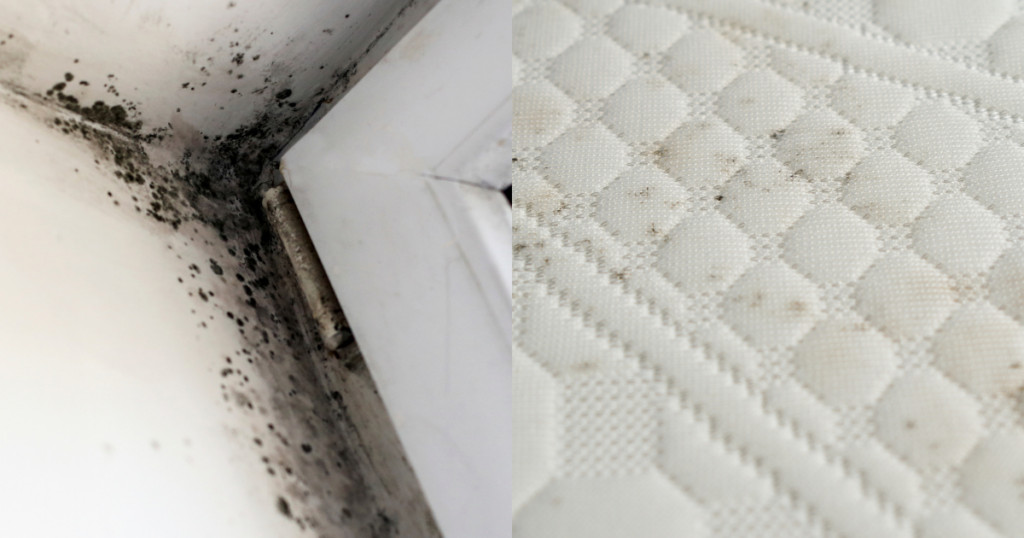 Mould and mildew are both fungi, but they present differently. Mould tends to be fuzzy or slimy, often in darker shades like black, green, or brown. Mildew, on the other hand, appears powdery and is usually white or grey in colour. Both thrive in damp environments and can cause significant problems if not addressed early.
Upholstered furniture is particularly at risk due to its porous, soft materials. These fabrics easily absorb moisture, and when paired with limited airflow, it creates the perfect storm for unwanted growth. Over time, these intrusions can spread through cushions, seams, and padding, potentially damaging the structure of your furniture and posing health risks to your household.
Mould and mildew are both fungi, but they present differently. Mould tends to be fuzzy or slimy, often in darker shades like black, green, or brown. Mildew, on the other hand, appears powdery and is usually white or grey in colour. Both thrive in damp environments and can cause significant problems if not addressed early.
Upholstered furniture is particularly at risk due to its porous, soft materials. These fabrics easily absorb moisture, and when paired with limited airflow, it creates the perfect storm for unwanted growth. Over time, these intrusions can spread through cushions, seams, and padding, potentially damaging the structure of your furniture and posing health risks to your household.
| Fungi Type | Appearance | Common Colours | Typical Location in Furniture |
| Mould | Fuzzy or slimy | Black, green, brown | Deep in cushions and seams |
| Mildew | Powdery or dry | White, grey, yellow | Surface of fabric or covers |
Spotting the Signs of Damage on Furniture
Watch for these early indicators that mould has started to take hold:- Musty or earthy smell: A persistent odour in the room or directly on the furniture is a tell-tale sign.
- Discolouration or spots: Dark, greenish, or black patches may appear on cushions, seams, or corners.
- Health symptoms: Increased sneezing, coughing, or skin irritation when near the furniture could point to mould exposure.
- Texture changes: The fabric may feel damp, sticky, or slimy to the touch.
- Visible stains or spreading marks: Fading or yellowish stains that gradually worsen are often signs of mould underneath the surface.
What Causes Growth on Upholstered Furniture?
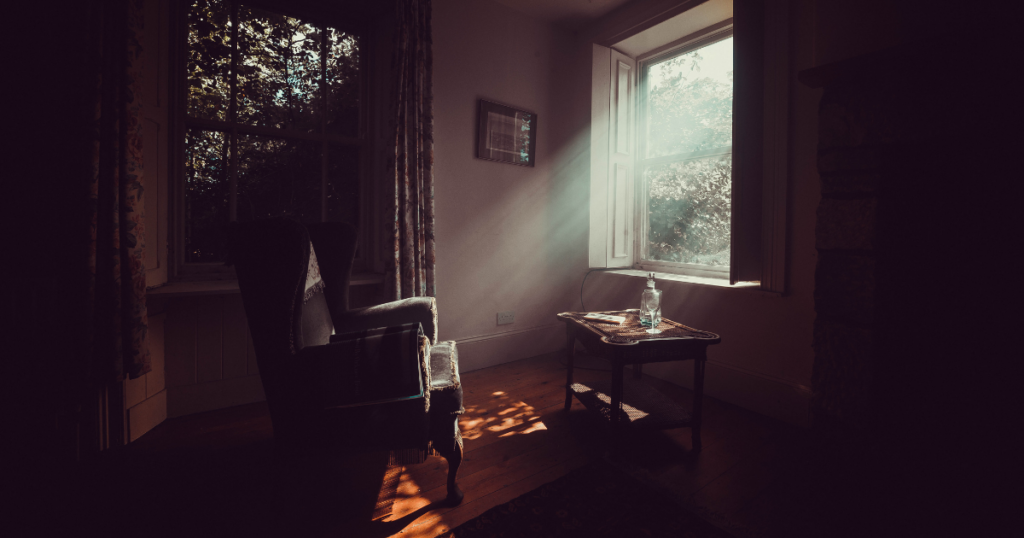 Mould thrives in environments where the following factors are present:
- Moisture exposure: Wet clothes, drink spills, or even just high humidity can saturate fabric furniture.
- Poor air circulation: Limited airflow, especially in tight corners or behind furniture, prevents proper drying.
- Lack of sunlight: Natural sunlight helps inhibit mould growth; dim, enclosed areas are more susceptible.
- Furniture placement: Putting couches or chairs directly against walls or windows can trap condensation.
- Absorbent materials: Soft furnishings like cushions, mattresses, and upholstered armchairs soak up moisture quickly and retain it for long periods.
Safety First: Before You Start Cleaning
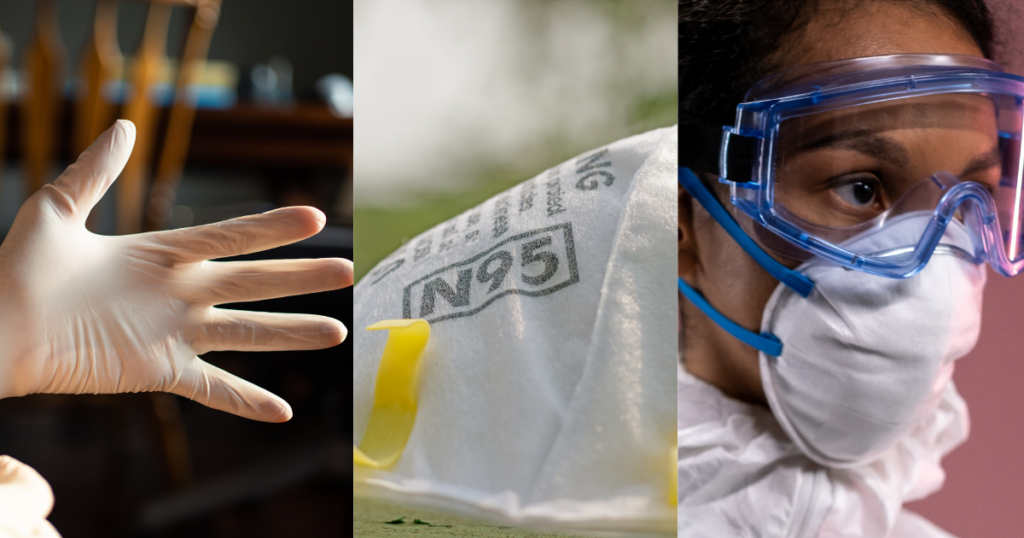 Before tackling mould removal, protect yourself. Wear disposable gloves, an N95 mask, and goggles to avoid direct contact with spores and prevent inhalation. Take the item outside if possible to reduce indoor contamination, or open all windows to improve ventilation. Isolate the affected area using old sheets, drop cloths, or plastic sheeting to contain any spores that might be released during the cleaning process.
Avoid brushing mould off when dry, as this can cause spores to become airborne and spread to other areas, including other furniture or nearby carpet. If the mould appears deep within the fabric, smells overpowering, or the item is particularly delicate or of high value, it’s best to contact professional mould removal services. Specialists use HEPA vacuums, anti-microbial treatments, and controlled drying to clean without causing further damage.
Before tackling mould removal, protect yourself. Wear disposable gloves, an N95 mask, and goggles to avoid direct contact with spores and prevent inhalation. Take the item outside if possible to reduce indoor contamination, or open all windows to improve ventilation. Isolate the affected area using old sheets, drop cloths, or plastic sheeting to contain any spores that might be released during the cleaning process.
Avoid brushing mould off when dry, as this can cause spores to become airborne and spread to other areas, including other furniture or nearby carpet. If the mould appears deep within the fabric, smells overpowering, or the item is particularly delicate or of high value, it’s best to contact professional mould removal services. Specialists use HEPA vacuums, anti-microbial treatments, and controlled drying to clean without causing further damage.
DIY Cleaning Methods to Remove Build-Up from Upholstery
1. How to Remove Mould with Baking Soda and Warm Water
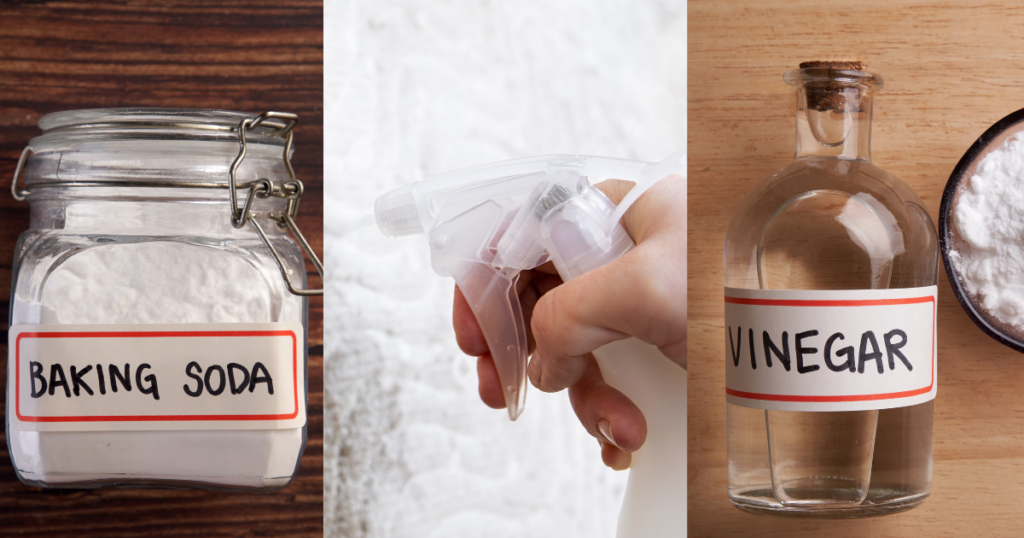
Baking soda is a gentle yet effective cleaning solution that also absorbs moisture and neutralises odours. Mix one tablespoon of baking soda with a cup of warm water and stir until fully dissolved. Apply the mixture to the affected area using a soft cloth, gently dabbing it onto the mould spots. Let it sit for 10–15 minutes before wiping it off with a clean, damp cloth. This is particularly useful for mild mould or mildew on cushions or small fabric parts. Use this for: Light stains and early mould growth2. Use Vinegar to Kill Mould Naturally
White vinegar is a powerhouse when it comes to mould removal. Fill a spray bottle with undiluted white vinegar and lightly spritz the stained area. Let it sit for at least one hour. The vinegar works to kill mould on a cellular level. Afterward, use a damp cloth to blot the surface, then leave the furniture to dry in fresh air. While the smell can be strong initially, it fades as the fabric dries. Use this for: Upholstery with deep-set mould or fabrics that can tolerate acidity3. Deep Cleaning with Fabric Upholstery Cleaner
For more intense cleaning, use a commercial upholstery cleaning product designed to treat mould. Apply as directed, focusing on the stained areas. Most cleaners foam up—use a soft brush to work the cleaner into the fabric and lift out embedded mould. Make sure to test the product on a hidden patch of fabric first to avoid accidental damage. After cleaning, allow the item to dry completely in an open area. Use this for: Set-in stains, widespread mould, or post-spot treatment follow-up4. Try an Anti-Mould Spray for Long-Term Prevention
Some sprays don’t just clean—they also act as barriers to mould growth. Use anti-mould spray on upholstery once it’s completely clean and dry. These products create an invisible layer that deters moisture and spores. Always follow the label’s safety instructions and apply in a well-ventilated area. Use this for: Prevention after mould removal and regular maintenanceDrying Upholstery: The Most Overlooked Yet Critical Step
Even the best mould removal method can fail if drying isn’t done properly. Follow these key steps to ensure your furniture dries thoroughly and safely:- Air-dry outdoors whenever possible: Sunlight naturally helps kill mould spores and speeds up drying.
- Use fans and dehumidifiers indoors: If outdoor drying isn’t an option, increase airflow using fans and moisture reduction with dehumidifiers.
- Unzip cushions or remove covers: This allows inner foam parts to dry properly and prevents trapped moisture.
- Ensure complete dryness before covering: Never use throw blankets, slipcovers, or plastic wrap until the furniture is 100% dry.
When It’s Time to Call in the Professionals
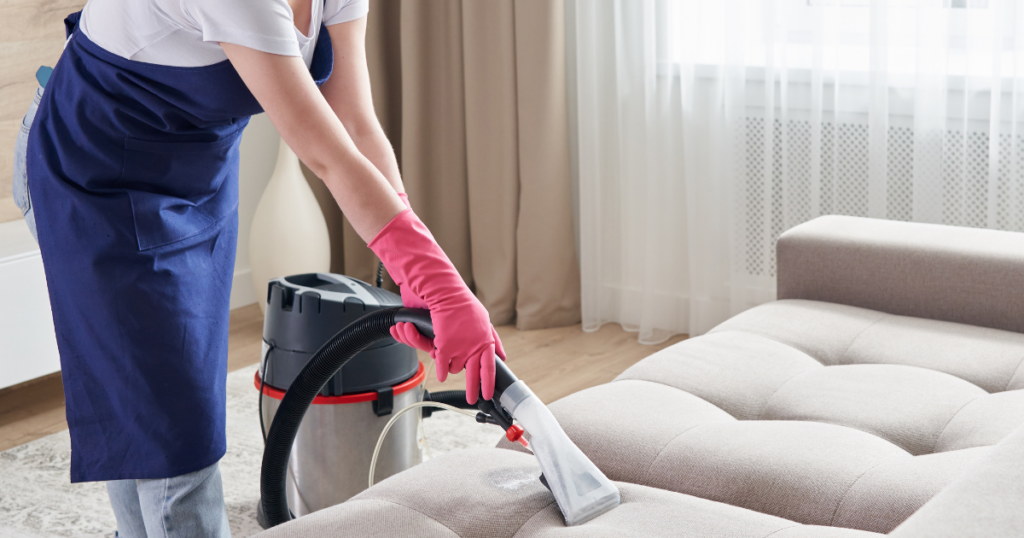
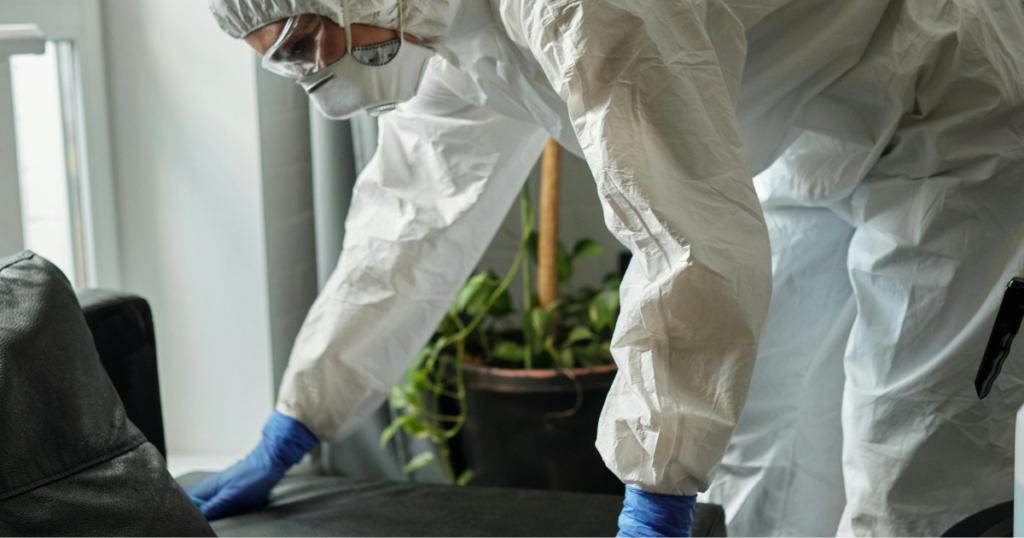 DIY methods can go a long way, but they do have limits. If mould keeps coming back, the damage is extensive, or the fabric is delicate, professional upholstery cleaning is worth the investment. Experts use commercial-grade tools, like steam extractors and HEPA vacuums, alongside targeted antimicrobial solutions to remove mould thoroughly. These tools are designed to reach deep into cushions and padding, where standard household products fall short.
At Right Price Carpet Cleaning, we’ve seen it all—from deeply embedded mould in vintage lounges to delicate fabric furniture that needs extra care. Some jobs require a careful balance of precision and power, especially when dealing with heirloom furniture, expensive materials, or widespread contamination. We use proven, safe techniques that not only clean your furniture but also help prevent mould from returning by controlling moisture and improving indoor air quality.
DIY methods can go a long way, but they do have limits. If mould keeps coming back, the damage is extensive, or the fabric is delicate, professional upholstery cleaning is worth the investment. Experts use commercial-grade tools, like steam extractors and HEPA vacuums, alongside targeted antimicrobial solutions to remove mould thoroughly. These tools are designed to reach deep into cushions and padding, where standard household products fall short.
At Right Price Carpet Cleaning, we’ve seen it all—from deeply embedded mould in vintage lounges to delicate fabric furniture that needs extra care. Some jobs require a careful balance of precision and power, especially when dealing with heirloom furniture, expensive materials, or widespread contamination. We use proven, safe techniques that not only clean your furniture but also help prevent mould from returning by controlling moisture and improving indoor air quality.
How to Prevent It from Returning
Improve Air Flow and Humidity Control
Mould thrives in still, damp spaces where air is stagnant and moisture lingers. Keep your home well-ventilated by opening windows regularly and using exhaust fans in bathrooms and kitchens. If humidity is a recurring issue, investing in a good-quality dehumidifier can make a significant difference. Rearranging furniture to avoid tight corners and ensuring that sunlight reaches your furnishings will further discourage mould growth.Clean Spills Immediately and Dry Fast
Whether it’s coffee, juice, or plain water—act fast. Always blot, never rub, using a clean cloth to soak up as much liquid as possible. After blotting, use a fan or hairdryer on a cool setting to speed up drying time, especially in hard-to-reach seams. Leaving moisture, even for an hour, creates the perfect environment for mould to develop and spread.Vacuum and Maintain Regularly
Dust, skin cells, and other organic debris settle into upholstery and serve as food sources for mould spores. Vacuum your furniture weekly, focusing on corners, seams, and under cushions. Schedule a deep clean every few months using upholstery-safe products to remove embedded grime. Protective covers are also great for high-use pieces, helping to reduce stains and making routine cleaning faster and easier.Final Thoughts: Keeping Your Upholstery Mould-Free
Mould on fabric furniture is more than just an eyesore—it’s a sign your home may need a little more TLC in the moisture and airflow department. From using white vinegar and baking soda mixtures to choosing the right drying method, the steps you take now will save you hassle later. If you’ve tried everything and the mould keeps coming back—or you just want peace of mind—our team at Right Price Carpet Cleaning is ready to help. We offer mould removal services that not only treat the issue but help prevent it from returning. With the right care, your upholstery can stay clean, fresh, and completely mould-free. We’re here to make it easier—so you can breathe easy at home again.Frequently Asked Questions
Does vinegar kill Mould on upholstery?
Yes, white vinegar is highly effective at killing mould on fabric furniture. It penetrates porous fibres, making it effective against light to moderate infestations. Spray undiluted vinegar directly on the mouldy area, let it sit for an hour, then blot dry.Can Mould on fabric be removed?
Absolutely. When treated early, Mould can be removed from fabric using natural methods like vinegar and baking soda or store-bought cleaners. Deep-set mould may require multiple treatments or help from a professional.Can Mould be removed from a sofa?
Yes, provided you act quickly. Sofas with absorbent upholstery respond well to vinegar and baking soda when mould is caught early. Be sure to dry thoroughly after cleaning to stop it from returning.What is the best cleaner for Mould on fabric?
White vinegar is one of the most effective natural mould cleaners for fabric. For tougher cases, use a commercial mould and mildew upholstery cleaner. Always test any product on a hidden section first.Does baking soda kill Mould on fabric?
Yes, baking soda has mild antifungal properties and helps absorb moisture. It works best on surface-level mould and odour control. Combine with vinegar for a more effective DIY Mould treatment.If mould has spread to your carpets as well, professional steam cleaning can help restore them. See our carpet cleaning prices Melbourne -- from $50 per room.
If mould has spread to your mattress as well, see our professional mattress cleaning Melbourne service.
Recent Comments