



Vacate cleaning in Melbourne is a top-to-bottom clean required at the end of a tenancy to return the property to the standard it was in at the start, minus fair wear and tear. It’s the single most important step a renter can take to protect a full bond refund, because cleaning is the most common reason tenants lose money in bond disputes at 67% to 70%, and cleaning-related losses commonly sit around $250 to $500, sometimes more.
If you’re reading this with boxes half-packed, power cords everywhere, and keys due back soon, you’re in the exact moment when small cleaning mistakes become expensive ones. Most first-time renters assume a good vacate clean means “leave it tidy”. Agents don’t inspect for tidy. They inspect for detail.
That difference catches people out. A benchtop can look clean and still fail because grease is sitting under the range hood filter. A carpet can smell fine to you and still draw attention because traffic lanes, pet odours, or old spills are holding in the fibres. In Melbourne rentals, the issue isn’t whether you cleaned. It’s whether the property presents at inspection standard.
Your Guide to Vacate Cleaning in Melbourne
Moving out compresses everything into the same few days. You’re organising removalists, changing addresses, chasing utility disconnections, and trying not to leave behind chargers, pantry items, or that one shelf in the bathroom cabinet everyone forgets. Vacate cleaning in Melbourne sits at the end of that list, but it affects the one thing most renters care about most on handover day. Their bond.
A proper vacate clean isn’t a quick once-over. It’s a reset of the property. Every room gets worked from top to bottom, inside and outside the obvious surfaces, with special attention to the places agents and property managers check first. Ovens, exhaust fans, shower screens, skirting boards, wardrobe tracks, light switches, window sills, and carpets all matter because they show whether the clean was superficial or complete.
For most renters, the smartest approach is to treat the move and the clean as two separate jobs. Get the property empty first, then clean. If you’re still juggling the wider move, this complete moving guide helps with the packing and relocation side so the final clean doesn’t get squeezed into the last exhausted few hours.
A useful benchmark is to compare your own plan against a proper end-of-lease cleaning service checklist. Even if you’re doing the work yourself, that kind of scope shows what “inspection ready” usually looks like in practice.
Practical rule: If a surface can be opened, removed, slid, lifted, or looked behind, assume the agent may check it.
The goal isn’t perfection in the unrealistic sense. The goal is to avoid preventable deductions by understanding where properties usually fail and dealing with those areas properly the first time.
Understanding Melbourne Landlord Expectations
A lot of bond trouble starts the same way in Melbourne. The place looks clean after the boxes are out, but the agent walks in, checks the oven, runs a finger along the window tracks, then stops at the carpet and writes up concerns. That last part matters more than many first-time renters expect.
The standard at the end of a lease comes from three places. The tenancy agreement, the original condition report, and the condition of the property on inspection day. In Victoria, renters are generally expected to leave the premises reasonably clean, and any damage or excessive dirt beyond fair wear and tear can become a bond issue. Consumer Affairs Victoria sets out those expectations clearly in its guidance on ending a rental agreement and moving out and related vacate obligations.
In practice, property managers inspect with the entry report in hand. They are checking whether the property is ready for the next tenant without extra cleaning, repairs, or odour treatment. A home can feel tidy to the outgoing renter and still miss the standard required for handover.
What fair wear and tear actually means
Fair wear and tear is normal ageing from ordinary use. Faded paint, slight matting in high-traffic carpet, and minor loosening from everyday living can fall into that category. Grease build-up, shower soap scum, food residue, stained carpets, mildew linked to poor cleaning, and strong pet odours usually do not.
That distinction matters.
I tell renters to separate age from upkeep. If the issue happened because time passed, that is one thing. If it would come off with proper cleaning, or improve with proper carpet steam cleaning, the agent is likely to treat it as a handover issue rather than wear and tear.
Many landlords and managers also work from documented turnover standards similar to broader landlord resources, where the focus is on condition matching, maintenance readiness, and whether the property can be re-let without delay.
What agents usually check first
Agents rarely inspect like a casual visitor. They look at the spots that reveal whether the job was detailed or rushed.
Common trouble points include:
- Kitchen grease: Oven interiors, cooktop edges, splashbacks, and range hood filters.
- Bathroom build-up: Shower screens, taps, grout lines, exhaust covers, and around the toilet base.
- Detail cleaning: Skirting boards, light switches, door frames, wardrobe shelves, and sliding tracks.
- Windows: Glass, frames, sills, and dust sitting in corners.
- Carpets: Stains, traffic marks, pet smell, drink spills, and signs the carpet was only vacuumed.
Carpets deserve special attention because they trigger more disputes than renters expect. A carpet can look acceptable in daylight and still fail once the agent gets close enough to smell it or spot old stains lifting back through the pile. In Melbourne rentals, that is often the difference between a smooth bond release and a callback clean.
Why carpet condition carries so much weight
Carpet problems are expensive for owners to fix between tenancies, and property managers know it. If there are marks in the hallway, dark traffic lanes in bedrooms, or pet odours in the lounge, they will usually assume more than a basic vacuum was needed.
Many DIY vacate cleans often fall short in critical areas. Portable hire machines can help with surface marks, but they often leave carpets too wet, fail to remove embedded soil, and do little for odour deep in the backing. Professional truck-mounted steam cleaning gets hotter water, stronger extraction, and a faster dry time. For many Melbourne rentals, especially those with pets, children, or light-coloured carpet, that is the part of the clean that gives the best chance of passing inspection the first time.
What landlords actually want at handover
Landlords want a property they can re-let without spending more money on cleaning. Property managers want fewer disputes, fewer return visits, and fewer arguments over what should have been done before keys were handed back.
That is why “pretty clean” is a risky standard. Inspection-ready means the obvious areas are clean, the hidden areas are clean, and the carpets do not raise a question mark the moment someone steps inside.
The Ultimate Melbourne Vacate Cleaning Checklist
A successful vacate clean follows a sequence. Clear the property completely. Start high. Finish low. Work dry areas before wet areas. Leave carpets and floors for last. If you clean in the wrong order, you’ll keep redoing work.
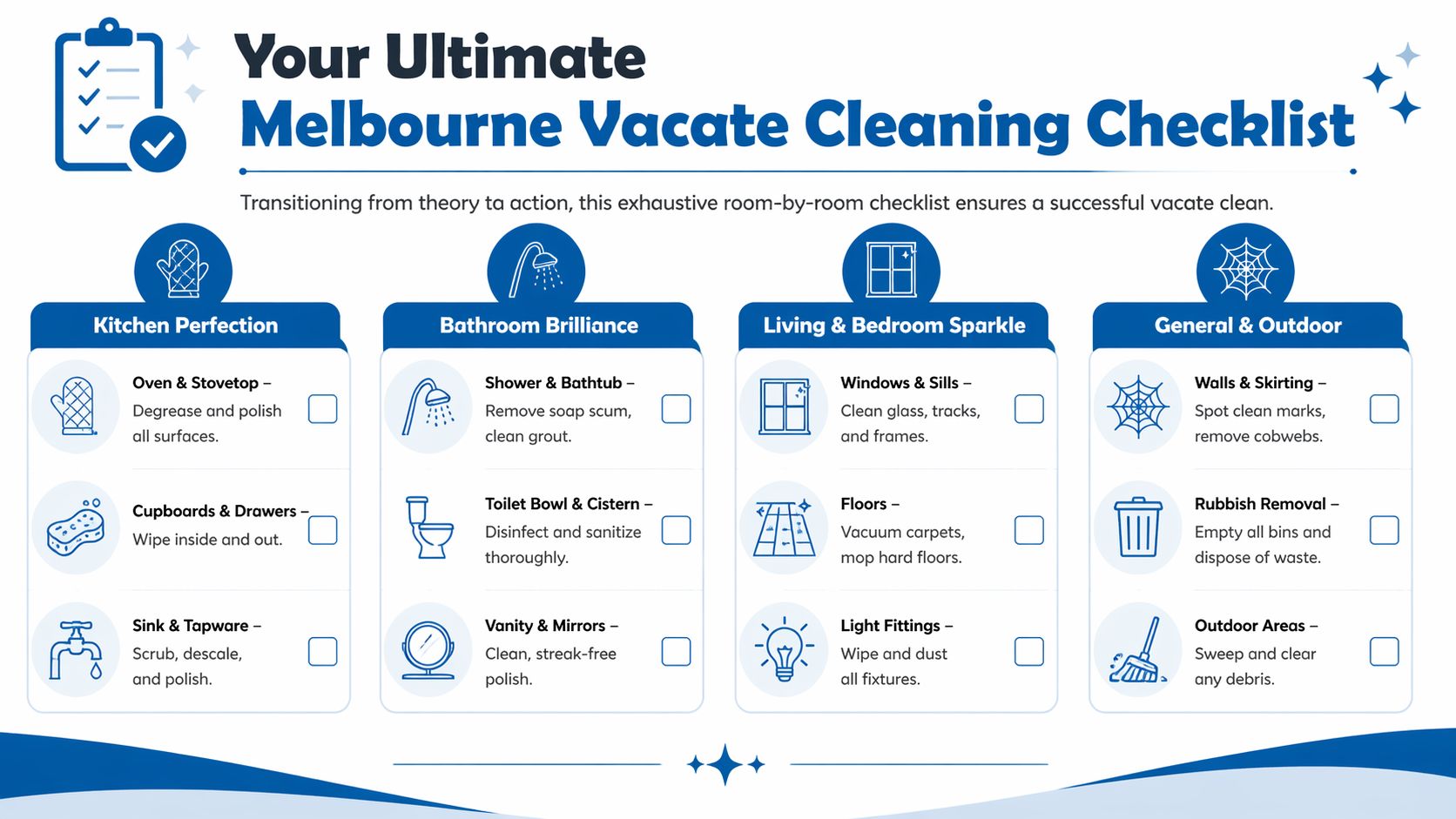
Whole-property tasks first
Before you break it down by room, handle the jobs that affect the entire property:
- Remove everything: Furniture, bags, food, cleaning products, and rubbish should all be out.
- Dust high to low: Cornices, tops of doors, vents, curtain rails, and light fittings.
- Check cobwebs: Corners, ceiling lines, garage ceilings, and outdoor entry points.
- Wipe touch points: Door handles, switches, remote controls, intercoms, and cupboard pulls.
- Spot clean marks: Walls and doors where possible, without damaging paint.
- Finish the floors last: Vacuum and mop after all detailed cleaning is complete.
Kitchen jobs that agents always notice
The kitchen can make or break a vacate clean because grease travels. It settles on areas you don’t notice until the light hits them.
Inside the kitchen
- Oven: Clean racks, trays, glass, seals, and side panels. Charred residue left inside the oven is one of the fastest ways to show the clean was rushed.
- Cooktop: Remove burnt-on food and polish the surface properly.
- Range hood: Degrease the canopy and clean filters. This is commonly missed.
- Cupboards and drawers: Wipe inside and outside, especially handles, edges, and base corners.
- Benchtops and splashback: Remove grease film, not just crumbs.
- Sink and tapware: Descale and polish. Food scraps in basket strainers are a bad final impression.
- Dishwasher: Clean the door edges, filter area, and interior if included in your lease expectations.
- Fridge cavity: If the fridge is removed, wipe the wall, floor area, and power point behind it.
Trade habit: Kneel down when checking lower cupboards and kickboards. Standing height hides a lot.
Bathrooms and laundry need detail, not speed
Bathrooms fail when residue remains in lines, edges, and corners. Laundry areas fail when people forget lint, drains, and splash marks around troughs.
Bathroom checklist
- Shower screen: Remove soap scum and water spotting.
- Tiles and grout: Focus on lower wall lines, corners, and floor edges.
- Shower recess: Clean shelves, mixers, drain covers, and tracks.
- Toilet: Bowl, seat, hinges, base, cistern, and behind the pedestal.
- Vanity: Basin, drawer fronts, cupboard interiors, and mirror polish.
- Exhaust fan cover: Dust and wipe. It’s small, but agents often look up.
- Tapware: Descale around the bases and polish dry.
Laundry checklist
- Trough and tapware: Remove detergent residue and marks.
- Cupboards or shelves: Wipe dust and product spills.
- Dryer lint area: If an appliance stays, clean around accessible lint build-up.
- Floor edges: Laundry floors often hold stubborn dust along skirtings and behind doors.
Bedrooms and living spaces show how thorough you were
These rooms often look easier than they are. They’re not greasy, but they’re full of dust traps.
Main living areas
- Windows: Internal glass, frames, latches, sills, and tracks.
- Blinds: Dust and wipe slats if applicable.
- Skirting boards: Run a cloth along every length, not just visible sections.
- Wardrobes: Shelves, rails, interior corners, and tracks.
- Doors and frames: Remove finger marks and dust build-up.
- Light fittings: Wipe reachable fittings and check for insect debris.
- Power points and switches: Dry wipe and remove smudges carefully.
Floors
Hard floors need a proper vacuum before mopping. Mopping dust just moves it into corners.
For carpets, vacuuming alone only handles loose surface material. It doesn’t deal with the embedded dirt, stale odour, or old spill residue that tends to matter most at final inspection. Carpet cleaning is where many vacate cleans either pass cleanly or run into arguments.
Outdoor and overlooked areas
Not every lease includes extensive outdoor work, but many handovers still fail on basic neglect outside.
- Balcony or patio: Sweep, remove leaves, and clear cobwebs.
- Garage floor: Sweep out dust and debris.
- Bins: Empty and rinse if needed.
- Entry door area: Wipe the door, threshold, and surrounding frame.
- Mailbox area if applicable: Remove junk mail and obvious debris.
- Air vents and exhaust covers: Wipe visible dust.
Use this checklist to compare quotes too
A cleaning quote should match the actual scope of the property. If a cheap quote doesn’t clearly include oven interiors, internal windows, range hood filters, bathroom detailing, and carpet treatment where required, it may not be cheap at all once the omissions catch up with you.
Here’s a quick quote-check table you can use:
| Area | Must be clearly included |
|---|---|
| Kitchen | Oven interior, cooktop, range hood, cupboards inside/out |
| Bathroom | Shower screen, grout lines, toilet exterior, mirrors, exhaust fan |
| Bedrooms | Wardrobes, skirtings, switches, window tracks |
| Living areas | Internal windows, doors, frames, floors |
| Carpets | Method used, whether steam cleaning is included if needed |
| Extras | Balcony, garage, blinds, appliance interiors if required |
A proper vacate cleaning in Melbourne is detailed because inspection is detailed. If you work from a checklist like this, you reduce guesswork and catch the small misses that usually become agent feedback later.
DIY Cleaning vs Hiring Professional Vacate Cleaners
The question is not whether you can clean your own rental. It is whether you can clean it to inspection standard, on a deadline, after a move, without missing the items agents photograph and note.

I see the same pattern every week in Melbourne. Renters do a decent general clean, then the inspection turns on the details they did not have time, equipment, or energy to finish. Oven grease baked into corners. Soap residue on shower glass. Dust in tracks and on skirtings. And more often than anything else, carpets that look acceptable at a glance but still hold odour, traffic marks, pet hair, or staining that an agent will call out.
When DIY is realistic
DIY can work in the right property.
A small apartment with hard floors, a short tenancy, no pets, and very little wear is a reasonable candidate. It also helps if you can clean after the furniture is out and still have a full day, sometimes two, for checking details in good light.
DIY is usually the better fit when:
- The property has been kept consistently clean during the lease
- There are few problem areas such as built-up grease, mould, or heavy bathroom scale
- Carpeted areas are limited, or carpet cleaning has already been arranged separately
- You are prepared to clean like an agent inspects, not like a regular weekly tidy-up
That last point matters. Vacate cleaning is not surface cleaning. It is a top-to-bottom reset of the property to a presentable handover condition, allowing for fair wear and tear.
Where DIY usually falls short
The pressure point is time.
By the time keys are due back, many renters are already juggling removalists, utility cut-offs, address changes, and work. That is when shortcuts creep in. People wipe visible areas and leave the slow jobs until last. The slow jobs are exactly what cause trouble.
Carpets are the biggest example. A domestic rental machine can freshen a small patch, but it rarely gives the deep extraction needed for a full vacate clean. Overwetting is common. Drying times blow out. Stains wick back. If the lease or agent expects steam cleaning, the method matters, and truck-mounted equipment generally does a far better job of flushing out soil and leaving carpets in a condition that holds up at inspection.
What you get by hiring professionals
A good vacate cleaning crew buys you time, consistency, and a clearer paper trail if the agent raises a cleaning issue.
Professional help makes the most sense for larger homes, properties with multiple wet areas, family rentals with heavier wear, and any job involving carpet concerns. In Melbourne bond disputes, carpet condition regularly carries more weight than renters expect because it is one of the easiest things for an agent to point to during a final inspection.
That is why many renters take a hybrid approach. They handle cupboards, walls, and basic wipe-downs themselves, then book specialists for the parts that are hardest to get right under pressure. Carpets sit at the top of that list. If you are comparing providers, this guide on how to choose a carpet cleaning company will help you check equipment, experience, and what proof of service you will receive.
If the carpets are the weak point, they can drag the whole handover down, even when the rest of the property looks clean.
A practical side-by-side view
| Option | Best for | Main upside | Main downside |
|---|---|---|---|
| DIY clean | Small, well-kept properties with low complexity | Lower upfront cost | High labour, easy to miss inspection details |
| Professional vacate clean | Larger homes, time-poor renters, stricter agencies | Better consistency and less pressure during move-out | Higher upfront cost |
| Hybrid approach | Renters who can handle general cleaning but want specialist carpet work | Better control of budget while covering the riskiest items | Requires planning and clear division of tasks |
The trade-off renters should weigh properly
Saving money on cleaning only works if the job passes first time.
If you spend ten hours cleaning, then still need a rushed re-clean, paid carpet work, or lose part of the bond over preventable issues, the cheaper option stops being cheaper. On the other hand, paying for a full professional clean in a lightly used studio with almost no carpet may be more than you need.
The sensible choice comes down to complexity, not pride. If the property is simple and you are thorough, DIY is fine. If the carpets are tired, the bathrooms are hard-used, or the move-out window is tight, professional help usually gives you a better shot at a smooth final inspection.
How to Choose the Right Vacate Cleaning Company
You hand the keys back, the kitchen looks fine, the bathroom smells clean, and the agent still circles the carpets on the report. That happens often in Melbourne. A vacate clean only helps if it matches inspection standards, and the company you hire needs to understand where bond disputes usually start.
Price matters, but scope matters more.
A proper quote should tell you exactly what is included, what costs extra, and what proof of service you will receive for carpet cleaning if the lease or agent asks for it. If a company gives a flat number with no detail, assume there are gaps. Those gaps usually show up in ovens, windows, wall marks, and carpet treatment.
Public consumer guidance from Oneflare’s Melbourne end of lease cleaning cost guide gives a useful starting point for market pricing. Use it as a sense check, not the final decision-maker. If one quote is much lower than the rest, ask why. Sometimes the answer is simple. More often, the cheaper price leaves out work that tenants assume is part of a vacate clean.
Questions worth asking before you book
The best companies answer direct questions clearly and in writing.
- Is the quote itemised? You need line-by-line clarity on ovens, windows, balconies, garages, and carpeted rooms.
- What happens if the agent raises a fair cleaning issue? Ask whether they offer a re-clean and how quickly they can return.
- Are you insured? A legitimate operator should confirm this without hesitation.
- What carpet method do you use? For many rentals, this is the deciding question. “Carpet cleaning included” can mean a light portable machine, or proper hot water extraction.
- Will I receive an invoice or receipt that states steam cleaning was completed? Some agents ask for this specifically.
- What is excluded? Blinds, exterior windows, mould treatment, and high wall washing are common exclusions.
If carpet condition is likely to decide the inspection, use this guide on how to choose a carpet cleaning company to check whether the operator is offering real end-of-lease service or just a basic refresh.
Red flags tenants miss
Cheap quotes are not the only warning sign.
Watch for vague wording such as “general clean,” “carpets done if needed,” or “bond clean package” with no written scope. Be cautious if the business avoids giving a receipt for carpet steam cleaning, cannot explain drying times, or pushes for cash-only payment without paperwork. Another common problem is overpromising. If a cleaner guarantees a full bond refund before seeing the property condition, that is sales talk, not a serious assessment.
I would also be wary of any company that treats carpets as an afterthought. In real exit inspections, tired or stained carpet can outweigh a decent job everywhere else.
What a solid booking looks like
A reliable vacate cleaning company usually asks detailed questions before confirming the job. They want the bedroom count, bathroom count, whether the property is vacant, how much carpet is involved, whether there are pets, and if there are access limits such as lift bookings or no onsite parking. That level of detail is a good sign because it shows they are pricing the actual job, not guessing.
You should receive a written booking confirmation with the scope, date, arrival window, access instructions, and any add-ons such as oven cleaning or carpet steam cleaning.
That paperwork protects both sides. It also gives you something concrete to refer to if the agent later claims part of the job was never included.
The Critical Role of Professional Carpet Steam Cleaning
If there’s one area renters underestimate most, it’s carpet. People focus on kitchens and bathrooms because they look dirtier. Agents often focus on carpet because it holds what you can’t always see.
Why vacuuming isn’t enough
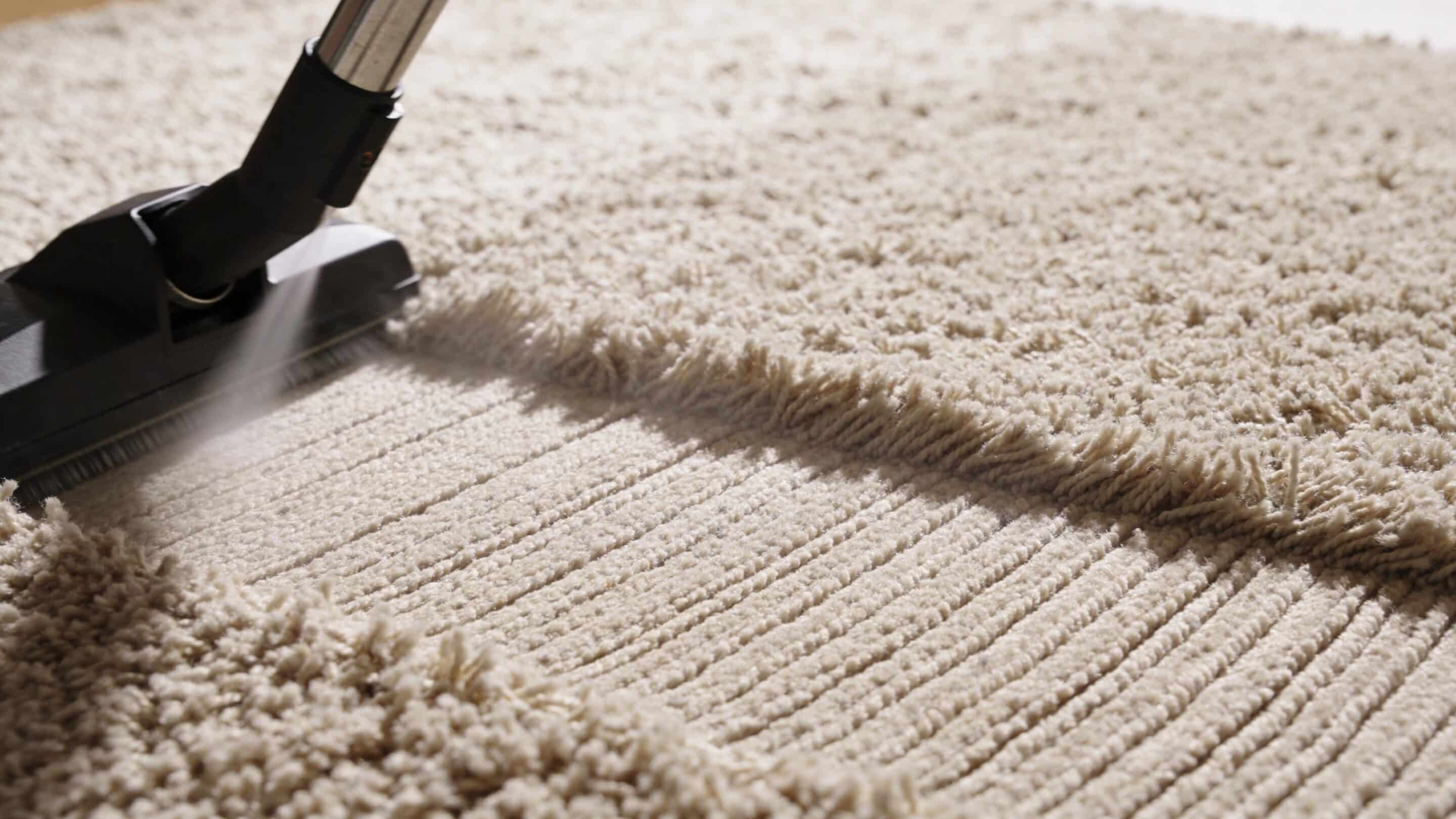
Vacuuming removes loose debris. It does not flush out embedded soil, bacteria, old spills, tracked-in residue, or odours sitting below the surface. A hired portable machine can improve appearance, but it often lacks the extraction power and drying performance needed for a proper end-of-lease result.
Verified vacate cleaning guidance notes that professional truck-mounted steam cleaning systems are required by many tenancy agreements because they remove up to 95% of embedded dirt and bacteria. The same guidance says carpet-related bond deductions average $300 to $500, and explains why steam cleaning plays a key role in meeting the required professional standard. It also notes that truck-mounted systems can dry in roughly 4 to 6 hours, compared with 12 to 24 hours for portable machines. Those details appear in this Melbourne vacate cleaning FAQ on carpet steam cleaning.
What truck-mounted steam cleaning does better
Truck-mounted extraction gives you three practical advantages:
- Stronger soil removal: It pulls contamination from deeper in the pile, not just the surface.
- Better odour treatment: Embedded smells from spills, pets, and traffic are more likely to lift out.
- Faster drying: Faster drying lowers the chance of musty smell, re-soiling, or dampness before inspection.
That last point matters more than renters realise. A carpet cleaned too wet, too late, or with weak extraction can still smell off at handover.
Why carpets decide so many outcomes
A lot of vacate cleaning disagreements come down to visible effort versus actual condition. A carpet can be freshly vacuumed and still fail because it has traffic shading, staining, or odour. That’s why specialist guidance on professional carpet steam cleaning is worth reading before you assume a basic carpet pass will do the job.
The carpet is one of the few surfaces in a rental that stores months of living in plain silence until inspection day.
If your lease, entry report, or agent expectation points to professional carpet treatment, treating it as optional is a gamble. In many Melbourne vacate cleans, carpet condition is not an add-on issue. It’s the deciding one.
Booking Your Clean and Final Preparations
Timing matters nearly as much as the clean itself. Book too early and the property gets dusty again while you’re still moving things out. Book too late and you risk damp carpets, rushed work, or no time to fix anything the agent flags.
The best timing for handover
For properties with carpet, a smart window is usually close to inspection but not on top of it. Verified guidance notes that professional truck-mounted steam cleaning dries in 4 to 6 hours, while portable machines can take 12 to 24 hours. That faster drying makes it practical to book the clean 1 to 2 days before the final inspection, which helps the property present fresh without leaving enough time for new marks or foot traffic to undo the result.
What to do before the cleaners arrive
Preparation makes the clean faster and better. The crew shouldn’t be working around your move.
- Empty the property completely: Furniture, boxes, food, and rubbish should be gone.
- Keep utilities connected: Electricity and hot water should stay on until after the clean.
- Leave access clear: Organise keys, fobs, parking details, and any building instructions.
- Note trouble spots: If there are stains, odours, mould, or damaged areas, tell the cleaner early.
- Take your own photos: Clear before-and-after records help if a dispute starts later.
Small details that save headaches
Check cupboards one final time. Open the laundry cabinet. Look behind bathroom doors. Make sure the balcony hasn’t collected leaves overnight. If the carpet has been steam cleaned, keep shoes off it and minimise traffic until it’s dry.
A smooth vacate cleaning in Melbourne usually comes down to one simple rule. Empty first, clean second, inspect third.
Frequently Asked Questions About Vacate Cleaning
Do I need to be there during the clean
No. Most renters hand over keys, entry codes, and lock-up instructions, then return after the job is finished. What matters is access, power, hot water, and an empty property. If cleaners are working around bags, food, or leftover furniture, the result usually suffers.
What if my agent still isn’t happy
Ask for a written list of the items they say were missed, room by room. Keep the discussion specific and factual. Photos, invoices, and your outgoing condition report matter more than a phone argument.
If you booked a cleaner who offers a reclean, send the list straight away and check the response time. In practice, the faster this is handled, the easier it is to close off the dispute before it turns into a bond claim.
Ask for exact items by area. “Please list each cleaning issue by room and surface” is more useful than a general complaint.
How long does a professional vacate clean take
The honest answer is that it depends on size, build-up, and whether carpet steam cleaning is part of the job. A small apartment in good condition can be finished in a few hours. A larger house with grease, bathroom scale, pet hair, and marked carpet can take most of the day.
Carpet cleaning often decides the schedule. Truck-mounted steam cleaning is usually the faster option because it cleans more thoroughly and dries sooner than portable machines. That matters at handover. A carpet that still feels damp or smells musty can raise questions, even if the rest of the property looks spotless.
Can I clean it myself and still get my full bond back
Yes, if the place comes up to inspection standard. That is a higher bar than ordinary weekly cleaning.
The common problem is not the obvious areas. Renters usually clean benches, sinks, and toilets well enough. The misses are edges, skirting boards, exhaust covers, inside cupboards, shower glass, and carpet condition. If the carpet still shows traffic lanes, pet odour, or old spill marks, that is often where the bond discussion starts.
What matters more, the kitchen or the carpet
Both are checked closely, but carpet condition causes more last-minute trouble than many renters expect. Kitchens can usually be judged on sight. Carpet problems are different. Stains wick back after a poor clean, smells sit low in the pile, and cheap hire machines leave too much moisture behind.
That is why professional steam cleaning matters so much in Melbourne vacate jobs. If your lease requires carpet cleaning, or the carpet has marks, odour, or heavy wear, a truck-mounted clean gives you the best chance of passing inspection and getting the full bond back.
If you want help from a local specialist, Right Price Carpet Cleaning handles end-of-lease carpet steam cleaning across Melbourne with powerful truck-mounted equipment, fully insured and police-checked staff, and straightforward booking. For renters trying to pass final inspection without last-minute stress, it’s a practical way to deal with the part of vacate cleaning that causes the most trouble.
Recent Comments