



You’re usually not thinking about your curtains until the light hits them side-on. Then you see it. Dust on the folds, a dull cast over the fabric, maybe a stale smell that doesn’t leave even after the windows have been open all day.
That’s common in Melbourne homes. Curtains sit there catching everything the room throws at them. Street dust, cooking residue, pet hair, skin flakes, moisture from winter condensation, and the fine grime that builds up slowly enough to go unnoticed.
If you want to clean curtains with steam cleaner equipment at home, the good news is that it can work very well for routine maintenance. The less-good news is that technique matters. A careful steam clean can freshen curtains while they’re still hanging. A rushed one can leave water marks, patchy results, or fabric damage.
What follows is the practical version. No fluff. Just what works, what doesn’t, and where DIY stops being the smart option.
Why Steam Cleaning Revitalises Your Curtains
You notice it on a cold Melbourne morning. The heater is on, the windows have been shut overnight, and the curtains hold that faint stale smell that makes the room feel less clean than it is. Then the sun catches the fabric and shows every dusty fold.
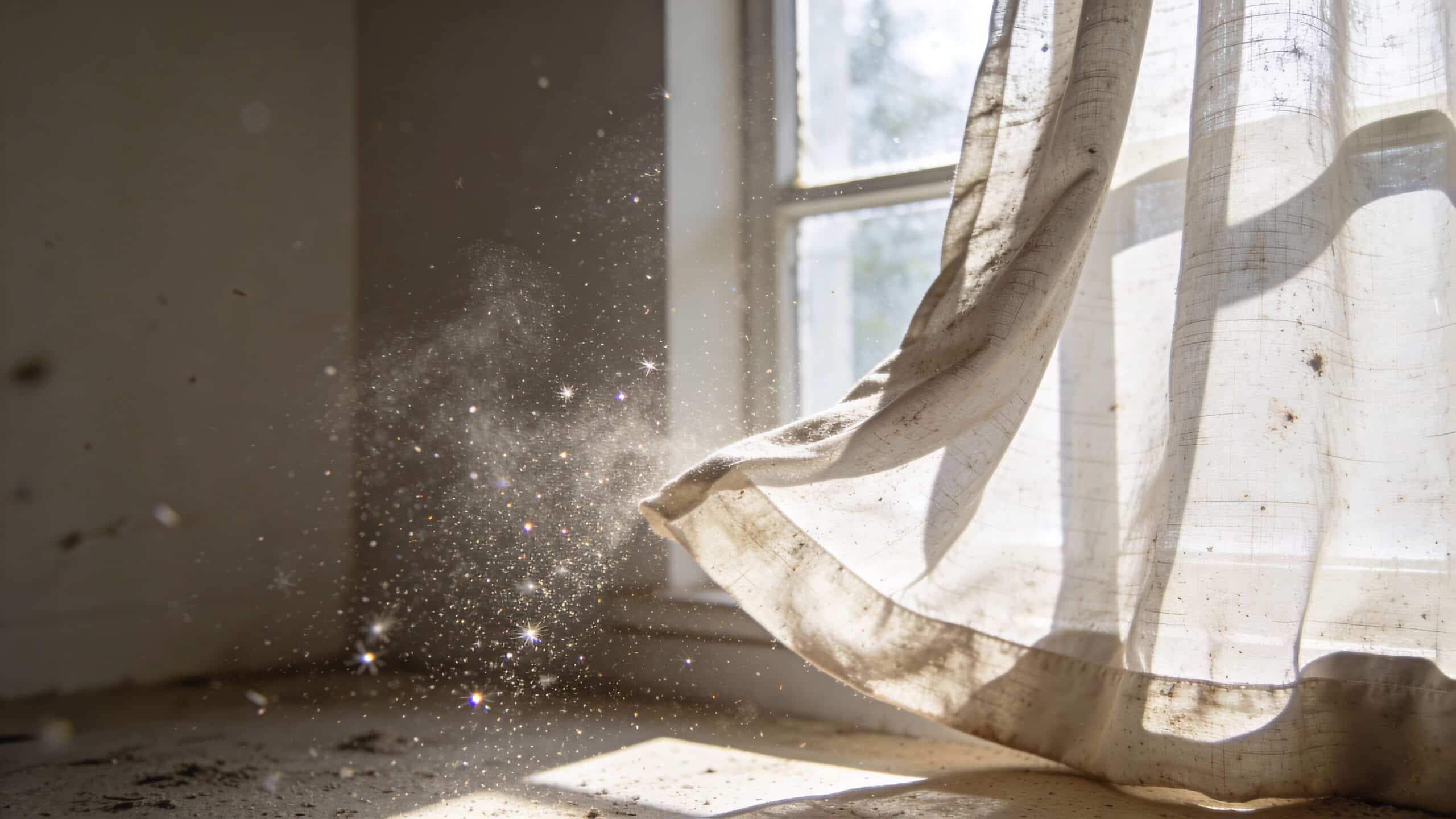
Steam cleaning helps because it treats the kind of soiling curtains collect in daily use. Heat and controlled moisture loosen fine dust, body oils, light cooking residue, and trapped odours without the heavy wetting you get from washing. For routine maintenance, that is often enough to bring the fabric back to life while it is still hanging.
Curtains dull down slowly. That is why people leave them too long. In Melbourne homes, especially near busy roads, bay-side areas, or places with long winter periods of closed windows, fabric can hold onto airborne grime and moisture for months before it looks obviously dirty.
The benefit isn't solely appearance. Proper steam cleaning can make curtains feel lighter, smell cleaner, and hang better because the fibres are no longer loaded with surface residue. On many synthetics and blends, you will also see creases relax slightly as the steam passes through.
Why steam works so well on maintenance cleaning
Steam reaches into the face fibres without saturating the whole curtain. That matters. Too much water can leave tide marks, stress stitching, and lengthen drying time, especially on lined curtains and heavier blockouts. A careful steam pass gives you a refresh with less handling and less risk than full washing.
It is also a sensible low-chemical option for households sensitive to strong cleaning products. The same principle applies across soft furnishings. If you already understand the benefits of steam cleaning vs dry carpet cleaning, curtain maintenance follows a similar logic. Use heat and extraction or controlled moisture where they suit the material, and do not force one method onto every fabric.
What steam does well, and where it stops
Steam is best for:
- freshening curtains between deep cleans
- reducing light odours from closed-up rooms, pets, or cooking
- loosening surface dust and everyday grime
- improving the look of sheers and synthetic curtains that have gone flat
It is not a fix for everything.
Steam will not safely solve dye bleed, sun damage, mould staining deep in the fabric, or old water marks that have set into the lining. Velvet, silk, interlined curtains, and designer fabrics are where DIY often goes wrong. I tell clients the same thing we follow on the job. If the curtain is expensive, sentimental, heavily stained, or difficult to replace, caution is cheaper than repair.
That same rule applies to other upholstered fabrics around the home too. Good maintenance starts with knowing the material, much like learning how to wash sofa fabric before treating a lounge suite.
For NDIS participants in Melbourne, in-place steam cleaning can be a practical option when removing and rehanging curtains is physically difficult or disruptive. Still, access needs, fabric risk, and drying conditions matter. If the curtains are delicate, very soiled, or in a room with poor ventilation, that is usually the point where a professional service like Right Price Carpet Cleaning is the safer call.
Essential Preparation Before You Steam
Saturday morning in Melbourne, the sun is hitting the window, and every bit of dust in the curtain suddenly shows up. The instinct is to grab the steamer and get stuck in. That is usually the moment DIY jobs go wrong. Curtain cleaning problems often start before the steamer is even turned on.
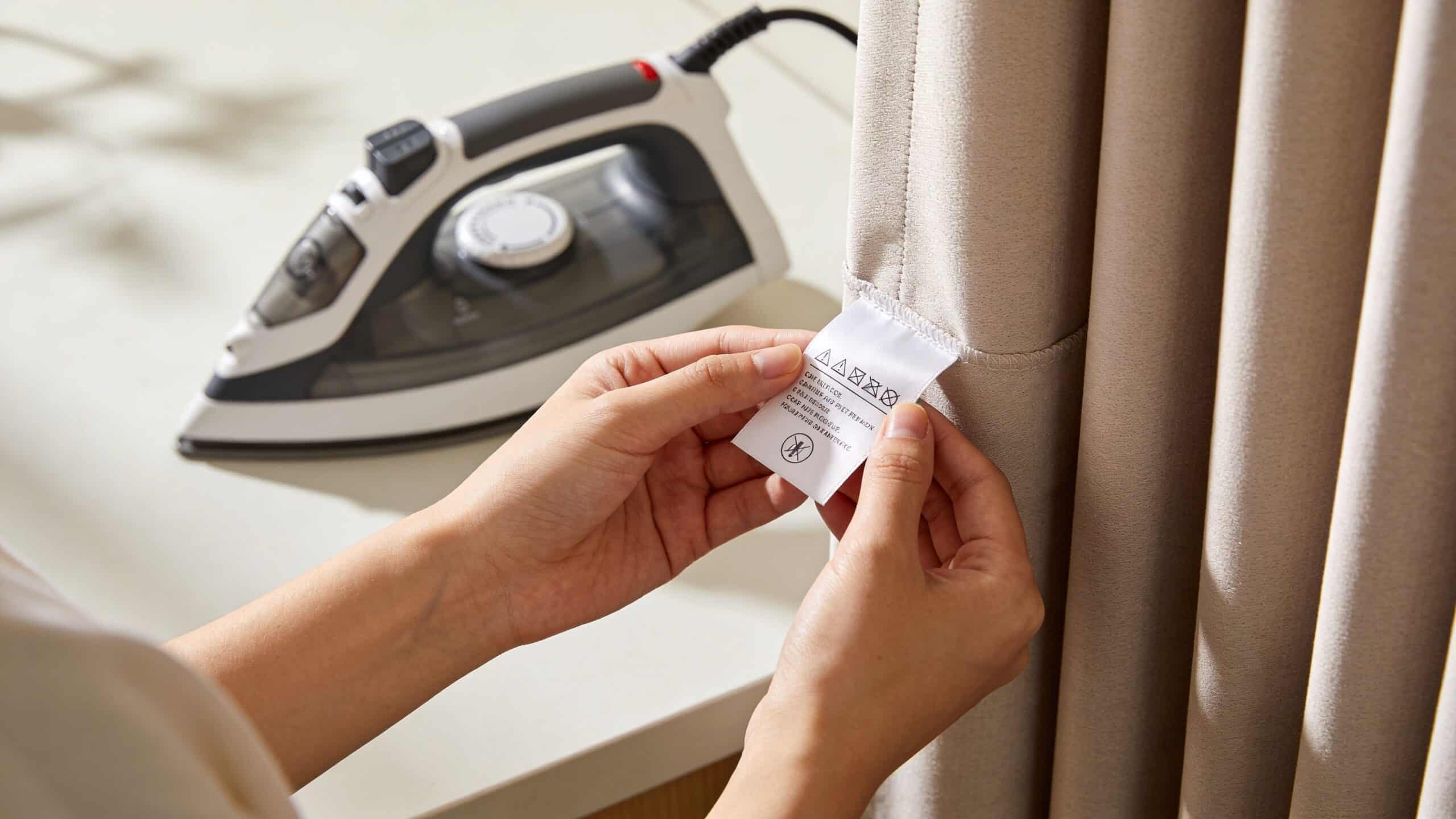
Start with the care label
The label gives you the risk level straight away. Read it before you fill the machine.
If it says dry clean only, stop there unless you are prepared to accept the chance of shrinkage, texture change, or water marking. If it mentions cool ironing with steam or gentle garment steaming, you have a better margin for safe DIY work. Missing label. Treat that as unknown fabric, not as permission.
A quick guide helps:
- Polyester and many synthetics: Usually the safest for light in-place steaming.
- Cotton or linen blends: Can respond well, but they absorb more moisture and take longer to dry.
- Sheers: Easy to freshen, easy to mark. Use less steam than you think.
- Silk, velvet, blackout-lined, interlined, or custom designer curtains: Higher risk. These are the jobs we often get called to after a home attempt leaves patches or rippling.
In older Melbourne homes, I also watch for sun-affected edges. Fabric that feels sound in the centre can be brittle near the window side.
No label means patch test first
Use a hidden spot near the hem, side return, or back fold. Apply a small burst of steam and leave it alone until fully dry.
Check for:
- Colour change: bleeding, dulling, or patchiness
- Texture change: stiffness, crushing, puckering, or loss of pile
- Moisture marks: rings, spotting, or uneven drying
Do not judge it while damp. Plenty of fabrics look fine wet and mark as they dry.
Remove dust before you add heat
Steam and loose dust make mud. That is the simple version.
Vacuum first with an upholstery brush or soft brush head. Keep suction low if your machine allows it, especially on sheers and older linings. Work from the top down and pay extra attention to pleats, hems, and the leading edge where hands and traffic leave oils and grime.
If you can safely reach both sides, do both. The back often holds more dust than people expect.
Decide whether to clean them hanging or take them down
In-place steaming is practical for light soil, mild odours, and routine freshening. It also suits households where removing heavy curtains is awkward. For some NDIS participants, that alone makes in-home cleaning the more realistic option, especially where rehanging large panels would add strain or require extra support.
Still, convenience is not the same as the best result every time.
| Situation | Best approach |
|---|---|
| Light dust, mild odour, routine maintenance | Steam in place |
| Localised marks on otherwise stable fabric | Spot treat, then steam carefully |
| Heavy staining, yellowing, or greasy build-up | Remove for deeper cleaning |
| Delicate, lined, or high-value curtains | Professional assessment |
If access is limited, the room has poor airflow, or the fabric is slow-drying, I would be cautious with DIY steam. In Melbourne winters, that drying delay can leave curtains smelling musty by evening. That is often the point where a professional service like Right Price Carpet Cleaning is the safer option.
If the fabric behaves more like upholstery than a simple washable textile, the same identification rules apply. This guide on how to wash sofa fabric is useful for understanding why testing and fabric matching matter before any moisture-based cleaning.
Pre-treat marks the right way
Steam loosens light grime. It does not reliably remove body oils, finger marks, or food residue on its own.
Use a fabric-safe product with a neutral pH. General household sprays can leave residue, set marks, or create water rings that stand out once the curtain dries. If you want a practical reference point, this guide to a pH neutral cleaner explains what to look for in a safer soft-furnishing product.
Apply a small amount to a cloth first, not straight onto the curtain unless the product directions allow it. Blot gently. Do not scrub. Let it dwell briefly, then steam with restraint. Too much moisture at the preparation stage is one of the main reasons curtains end up streaky or slow to dry.
Mastering Your Steam Cleaner Technique
A curtain can look clean at first glance, then dry with tide marks, flat patches, or a damp smell because the steam was applied too heavily. Technique decides the result more than the machine does. A modest home unit can freshen curtains well if you keep the passes controlled and respect the fabric’s limits.
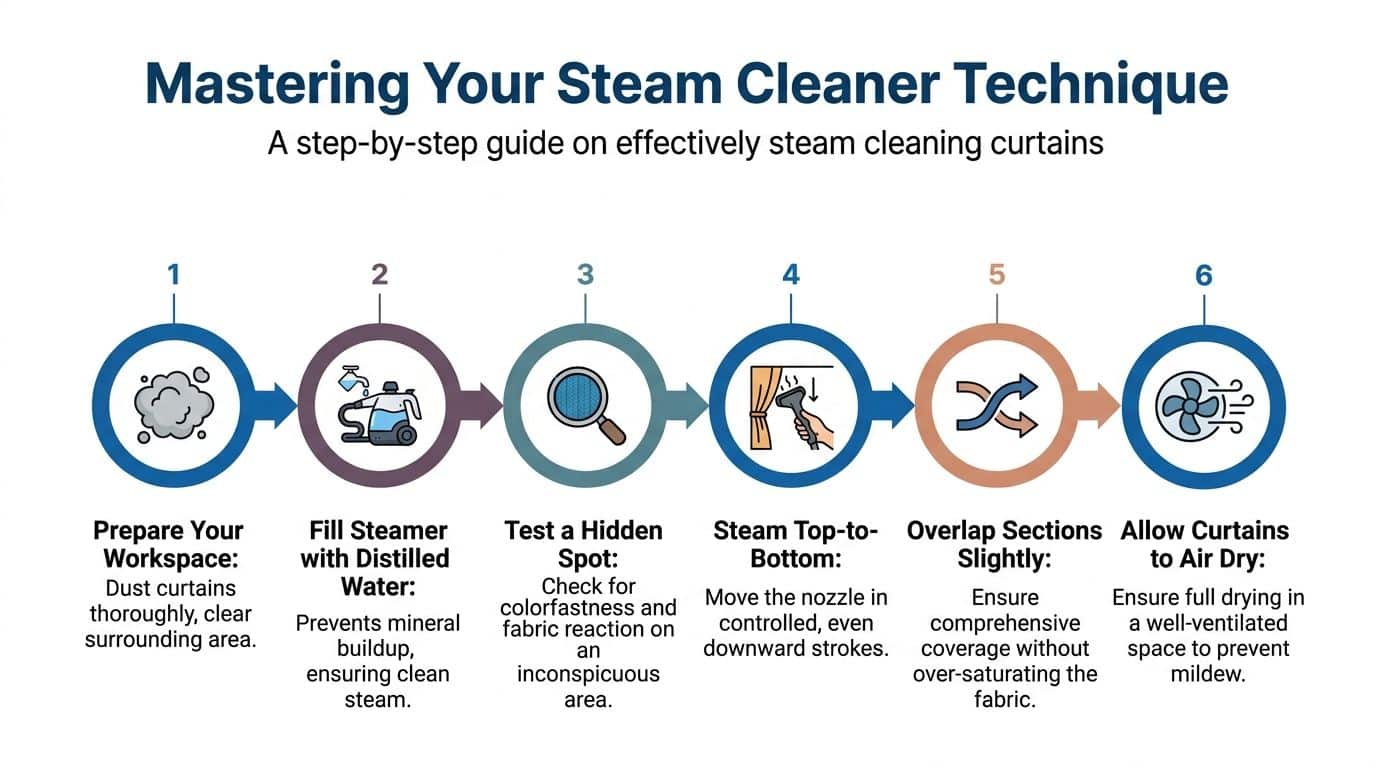
Set the machine up properly
Use the fabric or upholstery attachment if your steamer has one. It spreads heat more evenly and lowers the risk of forcing too much steam into one small spot.
Fill the machine according to the manufacturer’s directions. Distilled water is a sensible choice in Melbourne, especially in areas where mineral residue can shorten the life of a home unit or leave spotting on darker fabrics. Let the machine heat fully before you start, then test the output away from the curtain so any sputtering happens into a cloth, not onto the fabric.
Clear the work area properly. Move anything close to the curtain line, and get some airflow going before the first pass.
Work from the top down
Vertical passes give the cleanest finish on hanging curtains. Moisture falls with gravity, the fabric stays in shape better, and it is easier to track where you have already worked.
Start near the header and move downward in narrow sections. Keep your overlap consistent so you do not leave clean and dull bands beside each other. On most curtains, one measured pass and a second light pass are enough. A third pass is only for sections that still look tired after the first two.
Heat helps. Excess moisture causes the trouble.
The hand position that gives you control
Hold the nozzle roughly 15 to 20 cm from the fabric. Keep the curtain lightly tensioned with your free hand if it is safe and practical, especially on longer drops where the fabric wants to swing away from the steam. The goal is even contact across the face of the curtain, not a hard blast into one point.
Use this sequence:
- Start at the top edge: Work carefully around pleats, hooks, and headings.
- Make one slow downward pass: Keep the speed steady from top to hem.
- Overlap the next strip slightly: That prevents visible lines after drying.
- Repeat only where needed: More passes mean more moisture, and more moisture means slower drying.
- Pause if the fabric feels cool or heavy: Let that section release moisture before continuing.
If your machine has variable output, begin low. Raise it only if the curtain is coping well and the soil level calls for it.
Keep the steam moving through the fabric. Holding the head in one place is how people get wet spots, distortion, and drag lines.
Lift loosened soil as you go
A simple trade habit makes a real difference here. If your tool safely allows it, place a clean microfibre cloth where it can catch loosened residue. If not, wipe each finished section lightly with a separate dry cloth before moving on.
That step matters most on pale curtains, textured weaves, and homes with traffic dust near open windows. Melbourne homes close to main roads often collect a fine grey film that steam loosens well, but it still needs to be lifted away.
Know what a home steamer can and cannot do
A handheld steamer is best for maintenance cleaning, light dust, and taking the stale edge off curtains that are otherwise in decent condition. It is not built for heavy soil, deep contamination, or moisture-sensitive fabrics.
That trade-off is the same one we explain to clients asking about steam clean upholstery. The method works when heat, distance, and moisture are controlled. Once the fabric is heavily soiled or slow to dry, home equipment reaches its limit quickly.
For DIY curtain care, use steam for:
- Routine freshening: Good for regular upkeep.
- Light surface dust: Usually responds well.
- Mild odour reduction: Often useful in bedrooms and living rooms.
- Maintenance between professional cleans: A sensible use of a home machine.
For lined curtains, blockout curtains, or anything with a heavy backing, be much more careful. Those materials often hold moisture longer than people expect. In a cool Melbourne winter, that can turn a simple refresh into a drying problem by nightfall.
Common mistakes that spoil the finish
Patchy results usually come down to a few habits:
- Holding the nozzle too close: This pushes moisture into the fabric instead of across it.
- Rushing the pass: Fast movement gives uneven cleaning.
- Skipping overlap: Dry curtains will show the lines.
- Overworking one mark: Repeated steaming can spread the problem or flatten the pile.
- Working in a shut room: Curtains need air movement to dry properly.
- Trying to do heavy cleaning with a light home tool: The result is often damp fabric and little improvement.
If the curtain starts to feel heavier in your hand, stop and let it air out. That is the point where experienced cleaners back off. For NDIS participants, older clients, or anyone managing larger window furnishings alone, this is often the stage where calling in a Melbourne professional such as Right Price Carpet Cleaning is the safer and more practical choice.
Advanced Tips for Stubborn Stains and Delicate Fabrics
Stubborn marks need a different mindset. Steam is useful here, but it is a finishing tool, not a magic fix. On curtains, heat can loosen oily residue, lift light soiling, and freshen the fabric. It can also lock a stain in if the wrong product was used first or if the fabric is too delicate for repeated passes.
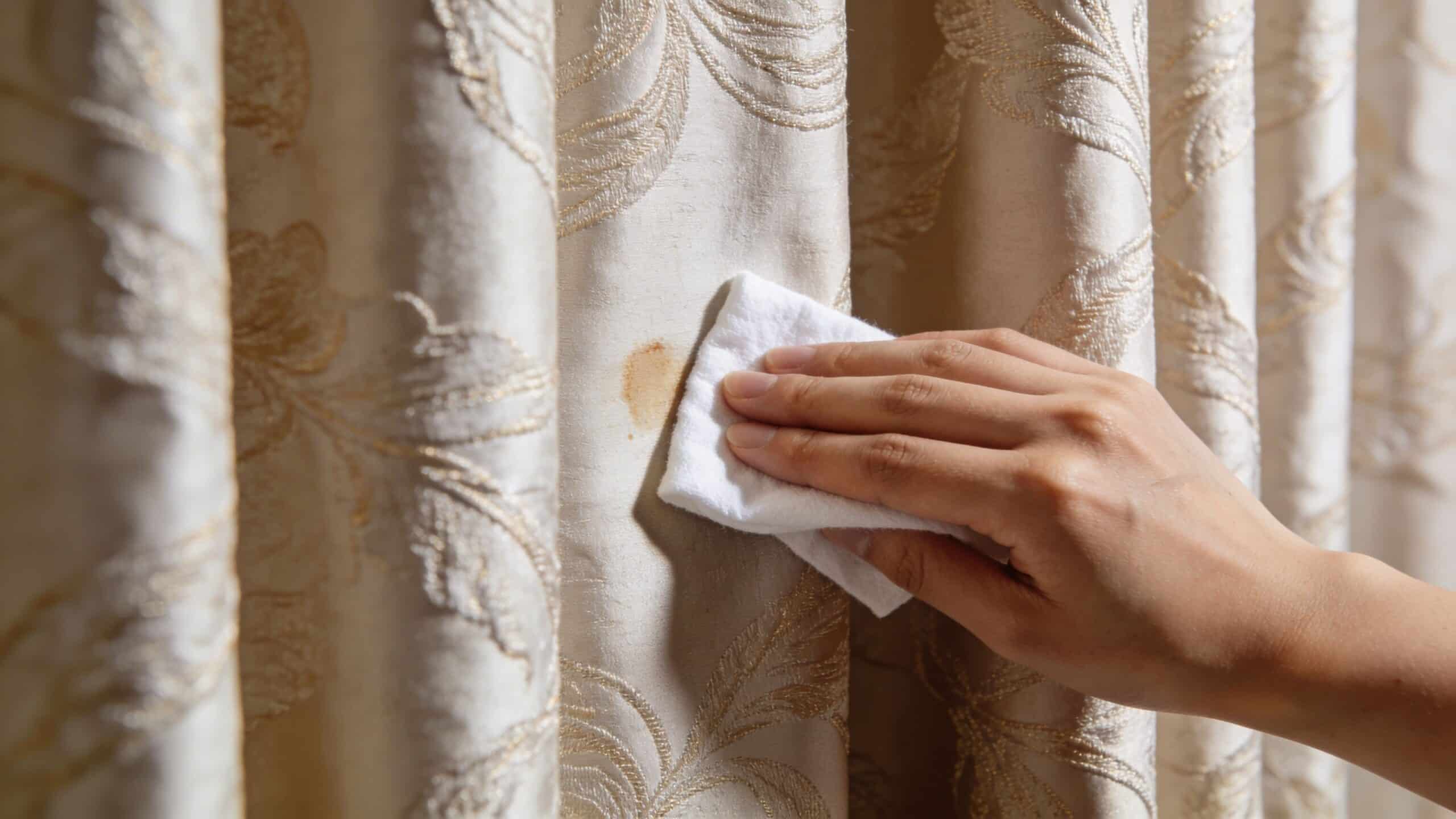
Treat the stain before the steam
For food spots, drink splashes, makeup transfer, or the grey finger marks that build up along the leading edge, pre-treat first with a fabric-safe product. If there is any doubt, put the product on a white cloth rather than straight on the curtain and test a hidden section near the hem or return.
Use very little moisture. The goal is to loosen the stain without pushing it deeper into the weave or into the lining. Let it sit briefly, blot gently, then use one light steam pass to help lift what remains.
Key takeaway: Pre-treatment does the stain work. Steam helps finish the job.
Some older marks will not come out fully because the fibre has already been stained, oxidised, or stripped of colour. That is common with sun-exposed curtains in Melbourne homes, especially on west-facing windows where fabric degradation is already underway.
Water marks need blending, not spot treatment
A water ring usually gets worse when only the centre is treated. Work beyond the visible edge so the moisture dries evenly across the surrounding area. That reduces the hard outline people often create by chasing the middle of the mark.
Use a clean white cloth only. Heat and moisture can pull colour from cheaper cloths, and that transfer can be harder to remove than the original mark.
Delicate fabrics respond best to restraint
Sheers, lace-look curtains, velvet-touch finishes, coated blockouts, and older lined drapes can change shape with very little heat. I have seen curtains look fine while damp, then dry with puckering at the seams or a slight wave through the drop.
A safer DIY method is simple:
- Use the lowest steam setting your machine allows.
- Increase your working distance from the fabric.
- Test one small area and let it dry before doing more.
- Limit passes on trims, seams, hems, and pleated headings.
- Avoid direct steam on glued backings or coated finishes.
If a test patch tightens, dulls, or loses its texture, stop there. That curtain is a poor candidate for home steaming.
Signs to stop straight away
Watch the curtain as you work, not just the stain.
Stop if you notice:
- Rippling or puckering
- Colour change
- Flattening on textured or pile fabrics
- Shrinkage at the hem
- Bleed or tackiness from adhesive-backed linings
These problems usually start small. Keep going, and they become permanent.
A few pro habits that help at home
Professionals get better results because they stay controlled and consistent. You can borrow the same habits without trying to turn a home machine into a commercial one.
| Problem | Better move |
|---|---|
| Finger marks on leading edge | Pre-treat lightly, blot, then use short controlled steam passes |
| Creases near the hem | Steam lightly from above, then smooth with clean hands while warm |
| Stale odour trapped in folds | Treat both sides only if the fabric dries freely and the room has strong airflow |
| Patchy result after spot work | Lightly blend the whole panel section so one cleaned patch does not stand out |
If the curtain needs reshaping after spot work, this guide on how to get wrinkles out of curtains can help with the finish.
Some jobs are better left there. Expensive fabrics, dry-clean-only labels, smoke damage, mould spotting, or curtains with sentimental value are good reasons to stop and call a professional. In Melbourne, that is especially true during cold or damp weather when heavy curtains dry slowly. For NDIS participants, families managing large window furnishings, or anyone who cannot safely test and monitor delicate fabric, booking a service like Right Price Carpet Cleaning is often the more practical option.
Drying Reshaping and Long-Term Maintenance
You finish steaming, step back, and the curtains look better. Then the room closes up, the folds stay damp, and by evening the fabric smells musty again. That usually comes down to drying, not cleaning.
Dry the curtain all the way through
Surface-dry is not dry enough. Heavy hems, stitched headings, blockout linings, and deep pleats can hold moisture long after the face fabric feels fine.
Open the room up if the weather allows it. In Melbourne, that decision matters. A dry northerly day helps. A cold, damp afternoon does not. If outside air feels wet, use indoor airflow instead. Ceiling fans, pedestal fans, and a bit of space between the curtain and the window help moisture leave the fabric instead of settling back into it.
Keep the curtain extended in its natural drop while it dries. Bunching it back to one side traps moisture in the folds and can leave a sour smell behind.
Reshape while it is still slightly warm
This is the window where curtains respond best. The fibres are relaxed, but they have not fully set yet.
Run clean hands down the length of the panel. Straighten the leading edge, settle the pleats, and check that the hem is hanging level. Use light pressure. Pulling hard can stretch a damp section and leave one side hanging longer than the other.
If the finish still looks creased after steaming, this guide on how to get wrinkles out of curtains gives a few extra ways to tidy the shape without overworking the fabric.
Set a maintenance routine that matches the room
Curtains in a formal dining room and curtains beside a busy Melbourne road do not soil at the same rate. The practical approach is to inspect them where buildup shows first. That usually means the lower edges, the leading edge people touch, and the side closest to an open window or kitchen.
A workable home routine looks like this:
- Every few weeks: Light vacuuming with a soft brush attachment, especially along hems and pleats
- Every few months: A maintenance steam for curtains that collect dust, odour, or pet hair
- As needed: Spot treatment for finger marks, splash marks, or traffic-related grime near doors and windows
- Once buildup stops lifting easily: Book a professional clean instead of repeating steam passes
That last point saves a lot of fabric. Repeated DIY steaming on already-clean areas can leave curtains over-wet without removing the embedded soil causing the problem.
Know when the result is good, and when it is not
A successful maintenance clean leaves the curtain hanging evenly, smelling clean, and free of loose dust when you move it.
Watch for the warning signs after drying. Tide marks, stiffness, shadowy staining, browning along the edges, or a lingering damp smell usually mean the soil is deeper than a home steam cleaner can handle, or the fabric has been left too wet. In Melbourne homes with blockout drapes, older linings, or poor winter ventilation, that is where DIY often reaches its limit.
For NDIS participants, older residents, or families managing large and heavy window furnishings, there is also a safety trade-off. If testing, reaching, drying, and monitoring the curtains properly is difficult, professional in-situ cleaning is often the better call.
When to Call the Professionals in Melbourne
A home steam cleaner is useful, but it has limits. Some curtain jobs are maintenance jobs. Others are risk-management jobs. Knowing the difference saves money and disappointment.
DIY is reasonable when
If the curtains are generally clean, made from a forgiving fabric, and only need freshening, DIY can make sense. It’s also practical when you want to avoid taking panels down and rehanging them.
That’s the lane for home steaming. Maintenance, not rescue work.
Call a professional when the stakes are higher
Certain situations shift the job out of DIY territory fast:
- End-of-lease presentation matters: You need an even result with no patching or water marks.
- The fabric is delicate or expensive: Silk, velvet, lined drapes, and designer finishes carry more risk.
- There’s mould, heavy odour, or long-term neglect: Surface steaming won’t reliably solve the whole issue.
- The curtains are very large or awkward: Tall windows and full drops are difficult to clean evenly with a small machine.
- You’re dealing with an NDIS household: Compliance, documentation, and safe in-situ service matter.
For Melbourne homes and rentals, professional truck-mounted equipment has a clear advantage on heavier jobs. The systems run hotter, clean deeper, and support quicker drying than a compact handheld unit. That matters when curtains are thick, soiling is embedded, or turnaround time is important.
NDIS participants need more than a basic clean
This point gets missed often. Since NDIS pricing updates in July 2025, NDIS-funded curtain cleaning claims in Victoria surged by 35%, yet a 2026 survey found 62% of participants were unaware of insured, in-situ steam services. Professional services like Right Price Carpet Cleaning meet NDIS standards that DIY methods often miss.
That matters in homes where mobility equipment increases wear, where allergens build up quickly, or where support coordinators need a service that’s straightforward and properly insured. In those cases, the question isn’t just “Can this be steamed?” It’s “Can this be done safely, appropriately, and without creating extra work later?”
If a failed DIY clean means rehanging curtains, arranging another visit, or risking a bond issue, it’s usually not the cheaper option.
A simple decision test
Use this quick check:
| If this is true | Best next step |
|---|---|
| Curtains are lightly dusty and structurally sound | DIY steam maintenance |
| You’re unsure of the fabric | Pause and get advice |
| There are stains, odours, or visible marks after testing | Professional clean |
| It’s an NDIS or end-of-lease job | Book a professional |
If your curtains need more than a light refresh, Right Price Carpet Cleaning can help across Greater Melbourne with professional steam cleaning backed by truck-mounted equipment, insured and police-checked technicians, flat-rate quotes, and family-owned service since 2007. For homeowners, renters, property managers, and NDIS participants, it’s a practical way to get curtains cleaned properly in place, with less hassle and a result you can feel confident about.
Recent Comments